


Zion rewards planning more than almost any other park, and the two biggest things to do in Zion National Park both come with rules. Angels Landing needs a lottery permit, and The Narrows can close on the very morning you plan to hike it. Get those two details right, and the rest of the trip falls into place.
Quick Answer: Zion deserves two to three days, and spring or fall works best. Enter the Angels Landing lottery before you go, ride the free shuttle up the canyon, and start early to beat the parking rush. Check river flow and the flash flood rating before you enter The Narrows, because conditions decide whether you hike at all.
Best Things to Do in Zion National Park at a Glance
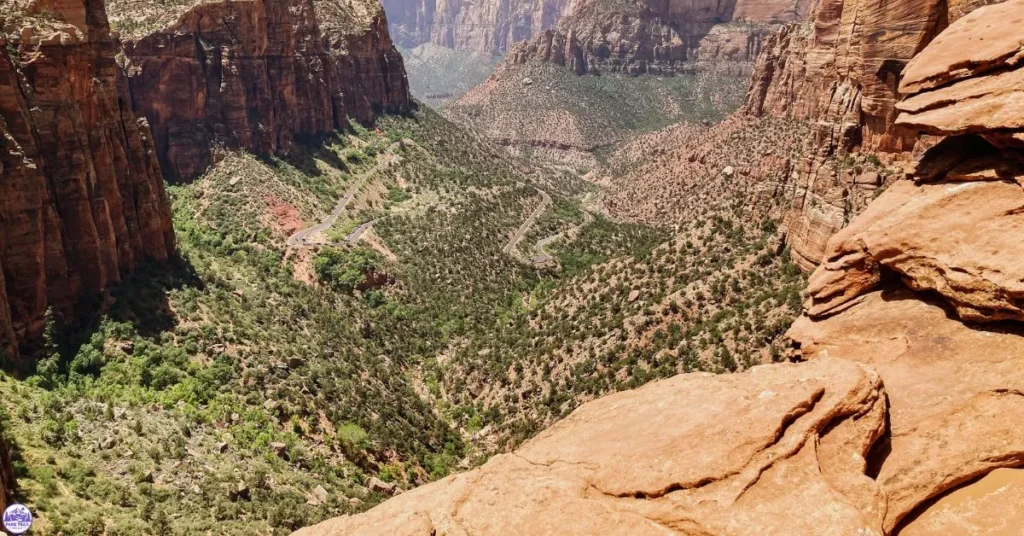
The best things to do in Zion National Park fall into three groups: walks anyone can finish, Zion hikes that demand real effort, and trips that need a permit or perfect conditions. Sort your wish list that way first. It sets your whole schedule.
Most of the action sits in Zion Canyon, home to many of the park’s top Zion National Park points of interest, which you reach from the South Entrance in Springdale. Approximately 60% of park visitors come from this area, according to UDOT. That share explains almost every crowd problem in this article. The shuttle lines, the full parking lots, and the packed trails all come from the same place: too many people want the same seven miles of canyon (see our Zion map for the layout).
So the smartest plan mixes one headline adventure with several easy wins. You don’t need to hike every famous trail to get your money’s worth. A quiet riverside stroll at sunrise beats a crowded switchback at noon. Use the table below to match each stop to your group, or browse all Zion hiking trails in our trail guide.
| Activity | Best for | Effort | Permit or reservation? |
| Angels Landing | Thrill-seekers | Strenuous, exposed chains | Yes, lottery permit beyond Scout Lookout |
| The Narrows (bottom-up) | Confident hikers who don’t mind cold water | Moderate to strenuous | No permit to Big Spring; river conditions apply |
| Riverside Walk | Everyone | Easy, paved | No |
| Pa’rus Trail | Families, wheelchair users with assistance | Easy, paved | No |
| Lower Emerald Pools | Families with school-age kids | Easy to moderate | No |
| Observation Point(East Mesa route) | Strong hikers | Moderate | None listed; check NPS |
Angels Landing Permit: How the Lottery Works
Angels Landing is the most famous hike in the park, and you can’t climb its best-known section without an Angels Landing permit. Recreation.gov states that you need a permit for any portion of the trail from Scout Lookout to the summit, 24 hours a day, every day. That covers the half-mile stretch with chains.
The system runs two lotteries. One to three months in advance, the seasonal lottery opens. The day-before lottery opens at 12:01 a.m. and closes at 3:00 p.m. Mountain Time the day before your hike. One application covers up to six people. Winners of the day-before lottery pay $3 per person, and 2026 reports also list a $6 application fee.
Fall permits cover September 1 through November 30. Winter permits cover December 1 through February 28. Seasonal winners can cancel up to two days ahead for a refund, but day-before permits allow no changes. Cell service inside the park is poor, so apply before you arrive.
Lost the lottery? Hike to Scout Lookout instead. In winter, expect ice, and pack traction if you win. For current rules, check the Angels Landing page on the NPS Zion website.
Zion Canyon Scenic Drive and the Zion National Park Shuttle
The free Zion National Park shuttle is how you see the canyon. The NPS closes the Zion Canyon Scenic Drive to private vehicles during shuttle season, which runs from March 7 through November 28 in 2026. You need no ticket or reservation to ride. You still pay the park entrance fee.
Two lines matter. The Springdale Line connects the town to the park’s pedestrian entrance. The Zion Canyon Line runs from the Zion Visitor Center up the Scenic Drive to the Temple of Sinawava, about 45 minutes one way. A full round trip takes roughly 90 minutes, so a ride to the end and back eats a big slice of your morning.
Watch the last bus. If the final shuttle out of the canyon is full, or you miss it, the NPS warns you may face a walk of up to eight miles or more. Build in a one-hour buffer.
Private cars can still use the Zion-Mt. Carmel Highway, Kolob Terrace Road, and Kolob Canyons Scenic Drive. In normal winters, cars can also drive the Scenic Drive, although the NPS has closed it when parking fills. Schedules shift every year, so check the NPS shuttle page before you go.
Where Parking Gets Difficult in Zion
Parking, not driving, is the real bottleneck. Visit Utah reports that in-park lots usually fill between 8 a.m. and 9 a.m. After that, you park in Springdale and ride the town shuttle to the park’s pedestrian entrance. The ride is free, but the wait and the extra transfer add time.
That timing changes your plan. If you want a headline hike, arrive before 8 a.m. Better yet, sleep in Springdale and skip the drive entirely. Springdale hotels on Booking.com or Agoda let you filter for properties near the town shuttle stops, which solves the parking problem instead of fighting it.
Weekdays help too. The NPS notes that fewer people visit on weekdays than on weekends, so put your most popular hike on a weekday whenever your dates allow.
Large vehicles face a newer hurdle. Since June 7, 2026, the NPS has enforced size and weight limits on the Zion-Mt. Carmel Highway between Canyon Junction and the East Entrance. Large vehicles can still enter through the South Entrance and reach Zion Canyon. If you drive an RV or tow a trailer, measure it and read the NPS tunnel page before you commit to the route.
The Narrows: What to Check Before You Wade In
The bottom-up Narrows is the best wet adventure in the park, and it comes with the strictest conditions. The hike starts at the Temple of Sinawava, shuttle stop 9. A paved path runs for about a mile before the river becomes the trail. You need no permit to hike up to Big Spring, which makes 9.4 miles round trip. Orderville Canyon branches off along the way, but upstream travel there ends a quarter mile past the junction.
The river decides everything. The NPS closes it during and after flash flood warnings, which are common in monsoon season from July through September. Top-down trips close when flow tops 120 cfs. Check the park’s current conditions page before you leave town, and again that morning.
Most of the time, the water runs ankle to knee deep. It stays cold and slippery, so plan to turn around early. Use the restroom at the trailhead first, because the canyon has none. Fall tends to suit the Narrows best, while spring snowmelt can keep the river too high. Rental shoes and walking sticks are the usual gear, so ask Springdale outfitters. For official conditions, use the Narrows pages on the NPS Zion website.
Easy Things to Do in Zion National Park With Kids
Families don’t need Angels Landing to have a great day. Several of the easiest Zion National Park hikes cost nothing extra and skip the permit stress.
- Pa’rus Trail: The NPS calls it the most accessible trail in the park, and all of it is concrete. It runs between the Visitor Center and Canyon Junction, so it also works as a shuttle-free warm-up.
- Riverside Walk: This paved path leads to the start of The Narrows. It works for wheelchair users with assistance and gives kids a river view without any wading.
- Lower Emerald Pools: This trail starts at Zion Lodge. Expect some steeper stretches, so bring snacks and patience for little legs.
- Weeping Rock Trail: The 0.4-mile trail reopened on September 5, 2025, after a rockfall closure that began in November 2023.
- Canyon Overlook Trail: It’s about a mile round trip, but the viewpoint has drop-offs. Hold young hands near the edge.
Pick two per day, not five. Kids burn out faster than shuttle lines move. For trail updates, check the day hiking pages on the NPS Zion website.
Observation Point and Other Trails Old Guides Get Wrong
Plenty of blog posts still describe a route that no longer exists. A rockfall in November 2023 closed the Weeping Rock area. The Weeping Rock Trail itself reopened, but the Hidden Canyon Trail and the East Rim Trail to Observation Point stayed closed, according to reports from 2025 and 2026.
So Observation Point now means a different hike. Hikers reach it by the East Mesa Trail from the east side of the park, and one 2026 trail guide lists about 6.8 miles round trip. That route is gentler than the old canyon-floor climb, but it also needs a drive, so it fits better on a day when you rent a car or have your own.
Don’t walk up from Weeping Rock expecting to reach the viewpoint. You will hit a closure sign and waste your shuttle ride.
Check three things before you commit: the NPS trail status page, current road conditions to the East Mesa trailhead, and your fuel. Rockfall is an ongoing process in canyon country, as the superintendent said when Weeping Rock reopened. Treat every closure notice as final for that day.
Best Time to Visit Zion: Spring, Fall, and Winter
Each season changes your options, so match your priorities to the calendar. UDOT lists March through November as peak season, and the shuttle runs for most of that stretch. Winter gives you fewer shuttle headaches, but holidays still bring crowds.
| Season | What works | What to watch |
| Spring | Shuttle starts early March; mild hiking weather | Snowmelt can raise the river and close The Narrows |
| Fall | Strong season for The Narrows; seasonal Angels Landing permits | Shuttle ends in late November; weekend crowds |
| Winter | Private cars can usually drive the Scenic Drive | Ice on Angels Landing; holiday weekends still get packed |
Winter works best for travelers who want to drive the canyon on their own schedule. Read our Zion park winter guide for road and ice details. The NPS warned in its recent winter notice that Thanksgiving weekend brings lengthy waits for shuttles, and it has closed the Scenic Drive when parking fills. January and February usually feel calmer, but confirm the shuttle and road schedule first.
Spring and fall give you the best balance of workable trails and open shuttles, so choose them first if your dates allow. Summer deserves a warning. Monsoon season runs July through September, and flash flood warnings close The Narrows. If you visit then, hike early and keep a backup plan for every water-based outing. For weather and safety updates, check the NPS Zion current conditions page.
Do You Need a Ticket to Enter Zion? Fees, Passes, and Surcharges
You don’t need a timed ticket or reservation to enter the park in 2026. You do need to pay a fee or show a valid pass. The standard entrance fee is $35 per vehicle, $30 per motorcycle, or $20 per person on foot or bike. It stays valid for seven days.
Since January 1, 2026, a $100 per-person surcharge applies to non-U.S. residents age 16 and older, on top of the standard fee. Visitors can skip the surcharge by buying the $250 Non-Resident America the Beautiful Annual Pass. Families visiting from abroad should do that math before they arrive, especially if they plan to see Bryce Canyon or the Grand Canyon too.
Gate lines can run long at busy parks, because rangers check vehicles and often complete pass sales on the spot. You can also pay in advance on Recreation.gov, which saves time at the entrance.
Remember that the shuttle costs nothing, and the Angels Landing lottery has its own small fees. Fees change, so confirm the numbers on the NPS fees page, and see our breakdown of national park entrance fees at Zion before you budget.
Where to Stay and Camp Near Zion
Keep your lodging options in separate buckets, because each one solves a different problem.
Lodging: Springdale sits right at the South Entrance and offers the easiest access to the Springdale Line. Zion Lodge sits inside the canyon near the Emerald Pools trailhead.
Frontcountry camping: Frontcountry options such as Watchman Campground in Zion National Park take reservations through Recreation.gov, and campground fees changed on July 1, 2026. Check current rates and availability before you plan around them.
Wilderness camping: The Narrows top-down route needs a wilderness permit, and Zion has 12 designated Narrows campsites about halfway along the route. Zion Wilderness prohibits campfires.
Private campgrounds: Nearby towns offer private campgrounds and RV parks outside the national park. They add drive time, so factor in the 8 a.m. parking rush.
If you want to wake up on the trail, book a frontcountry site early. If you want hot showers and short shuttle rides, choose Springdale. For campsite rules, use the camping pages on the NPS Zion website.
A 3-Day Zion National Park Itinerary That Beats the Crowds
This Zion itinerary puts your riskiest plans in the middle. Angels Landing and The Narrows both depend on luck or weather, so Day 3 works as a buffer if Day 2 falls apart.
| Day | Morning | Midday | Afternoon |
| 1 | Pa’rus Trail walk | Lunch and rest in Springdale | Riverside Walk |
| 2 | Angels Landing (with permit) or The Narrows bottom-up | Cool-down and food | Lower Emerald Pools |
| 3 | Observation Point via East Mesa, or Kolob Canyons | Lunch break | Weeping Rock and Canyon Overlook |
Day 1 teaches you the shuttle system without pressure. Day 2 hosts your headline adventure, so start at first light. If the lottery fails or the river closes, swap in the easy trails and still enjoy a full day. Day 3 adds a longer hike or a quieter corner of the park. Short on energy? Swap in the Watchman Trail instead. Spread the effort this way, and your legs stay fresh for the day that matters. Families can swap the big hikes for Pa’rus, Riverside Walk, and Weeping Rock, and still fill three satisfying days without any permit.
Kolob Canyons sits off Interstate 15, about 40 minutes from Springdale, and it doesn’t connect to Zion Canyon. Only choose it if you have a car and time. For a backup, check Viator or GetYourGuide for guided options near the park.
Common Mistakes That Ruin a Zion Trip
Most Zion problems come from timing and outdated advice, not from the park itself. Fix these eight before you leave home:
- Trusting old trail guides. Observation Point and Hidden Canyon changed after the 2023 rockfall, so check current status.
- Skipping the permit step. Apply to the seasonal lottery early, and use the day-before lottery as a backup.
- Arriving at 10 a.m. In-park lots usually fill between 8 and 9 a.m., so late arrivals lose time to the Springdale shuttle.
- Entering The Narrows blind. Check flow and flash flood ratings that morning, not the night before.
- Missing the last shuttle. The walk back can be up to eight miles, so leave the trail early.
- Forgetting cell service is poor. Download maps and finish lottery applications before you enter the park.
- Overbooking the day. Two real hikes plus one easy walk is plenty for most groups, and it leaves room for photo stops and shuttle waits.
- Getting too close to wildlife. Keep your distance from every animal you see. Our Zion National Park wildlife guide explains what to expect.
Frequently Asked Questions
How many days do you need in Zion National Park?
Two days cover the main canyon highlights if you start early. Three days give you a buffer for permits, river closures, and a longer hike like Observation Point.
Is the Zion National Park shuttle free?
Yes. You need no ticket or reservation to ride, but you still pay the park entrance fee. In 2026, the shuttle ran from March 7 through November 28. Check the NPS shuttle page for winter service.
Can you hike Angels Landing without a permit?
No. A permit is required for any portion of the trail from Scout Lookout to the summit.
How much does it cost to enter Zion?
The fee is $35 per vehicle or $20 per person on foot or bike for seven days. Non-U.S. residents age 16 and older pay a $100 surcharge unless they hold a qualifying pass.
Conclusion: Plan Your Zion National Park Trip
Book three days, stay in Springdale, and visit in fall if your schedule allows. Fall can offer excellent hiking conditions and usually avoids the peak summer monsoon season. Staying in Springdale also makes it easier to reach the park entrance without competing for in-park parking.
Official Sources
Angels Landing Permit and Lottery
Zion National Park Shuttle Schedule
The Narrows Hiking Guide
Author Bio
Awais is the Founder and Editorial Director of ParkTrailsGuide. Working with a network of outdoor contributors and current park data, he creates deeply researched survival guides, packing frameworks, and safety blueprints for U.S. national parks. His mission is to turn complex official National Park Service data into clear, actionable travel resources.
19 thoughts on “Things to Do in Zion National Park: A First-Timer’s Plan for the Icons Without the Crowds”