

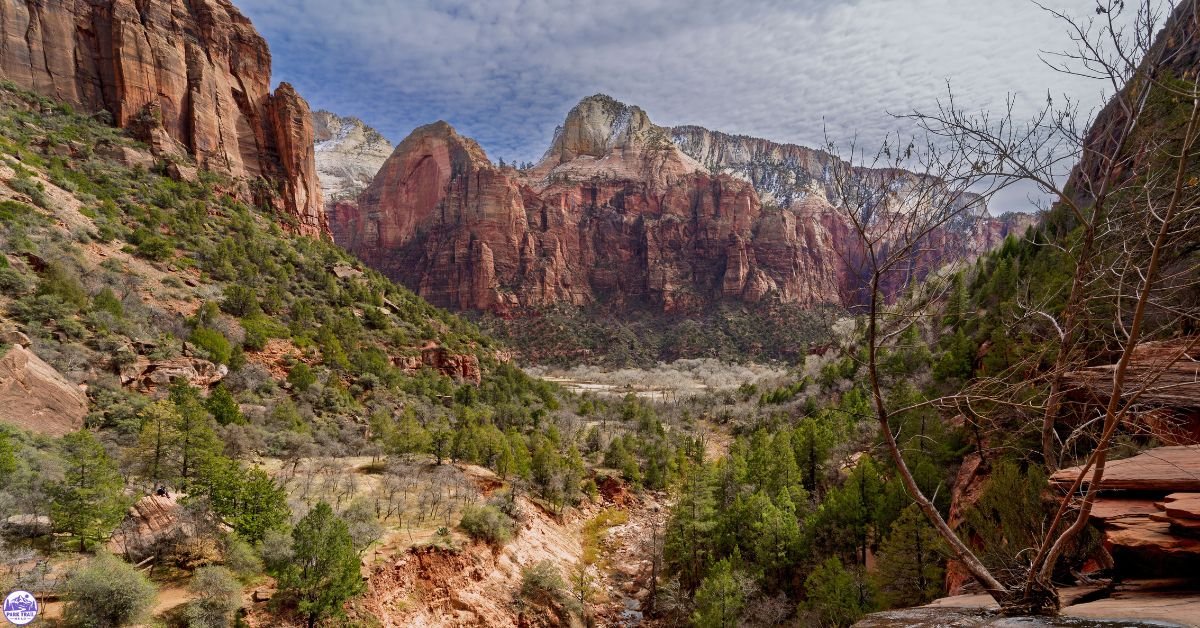
The Emerald Pools trailhead is easy to miss on a first visit to Zion National Park-not because it is hidden, but because getting there takes a little planning. During the shuttle season, most visitors cannot drive up Zion Canyon Scenic Drive, so the trip usually begins with a bus ride to Zion Lodge.
Once you arrive, the choice is yours: take the shorter walk to Lower Emerald Pool, continue to the higher pools, or approach the area from The Grotto using the Kayenta Trail. The best route depends on your time, fitness, and the trail conditions on the day you visit.
Emerald Pools is one of several stops worth combining into a Zion visit. If you’re planning the rest of your trip, our guide to things to do in Zion National Park covers other popular hikes, shuttle logistics, and a practical three-day itinerary.
Quick answer: The main Emerald Pools trailhead is across the road from Zion Lodge at shuttle Stop 5. The park shuttle is free, and you do not need a separate permit or reservation to hike the Emerald Pools trails. Park entrance fees still apply. The Lower Emerald Pool route is the shortest option; the Middle and Upper routes involve steeper or rockier sections. Swimming and wading are not permitted.
Where Is the Emerald Pools Trailhead?
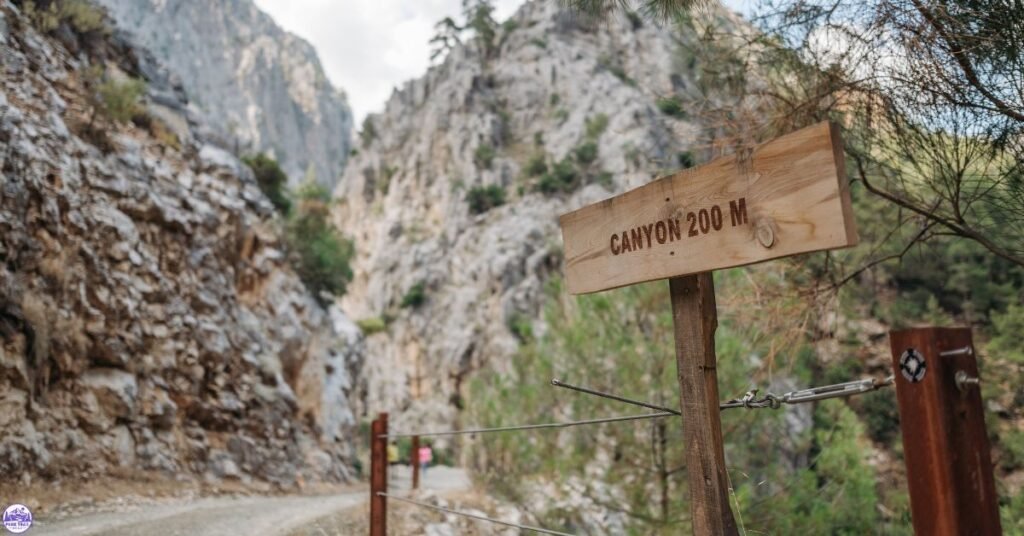
The main Emerald Pools trailhead is opposite Zion Lodge, at Zion Canyon Shuttle Stop 5. From the stop, follow the sidewalk across the Lodge Lawn to the marked crosswalk. Cross the road and continue over the footbridge to reach the trail junction.
At the junction, the Lower Emerald Pool Trail branches to the right and the Middle Emerald Pools Trail branches to the left. The routes connect farther along, so you can choose a shorter out-and-back walk or build a longer hike if the relevant trails are open.
The bridge is worth mentioning because older trip reports may still describe it as closed. A landslide destabilized the old crossing in May 2023. After reconstruction and relocation about 100 feet upstream, the NPS announced that the bridge reopened on June 10, 2025. Check the current trail conditions before you go in case access changes again.
You can also reach the Emerald Pools trail system from The Grotto, shuttle Stop 6, by following the Kayenta Trail. This route is longer and has exposed drop-offs, so it is not automatically the better choice for every visitor. The NPS Kayenta Trail guide has the route details.
Getting to the Trailhead: Zion Canyon Shuttle
During the shuttle season, the Zion Canyon Scenic Drive is closed to most private vehicles. The free Zion Canyon Shuttle connects the Visitor Center at Stop 1 with stops farther up the canyon, including Zion Lodge at Stop 5 and The Grotto at Stop 6. You do not need a shuttle ticket, permit, or reservation.
The ride from the Visitor Center to the Temple of Sinawava at Stop 9 takes about 45 minutes in one direction. Add time for waiting, loading, and returning to the Visitor Center when you plan your day. Shuttles generally arrive every 5–10 minutes on the Zion Canyon Line, but the schedule varies by season.
Current late-fall shuttle times
As listed on the NPS schedule checked on October 25, 2026, the October 25–November 28 Zion Canyon Line schedule is:
- First shuttle from the Visitor Center (Stop 1): 7:00 a.m.
- Last shuttle leaving the Visitor Center (Stop 1): 5:00 p.m.
- Last shuttle leaving the Temple of Sinawava (Stop 9) toward the Visitor Center: 6:15 p.m.
The Springdale Line has a different schedule. For the same dates, its first bus leaves Hotel De Novo at 8:00 a.m. That means visitors parking in Springdale should not assume they can use the town shuttle to catch the 7:00 a.m. canyon shuttle. Check the official Zion Canyon Shuttle System page and choose your parking and start time accordingly.
The posted 2026 schedule also lists no regular shuttle service from November 29 through December 25, followed by a short holiday service period from December 26 to January 2. These dates and times are seasonal, not permanent, so always use the current NPS schedule rather than an old blog post.
One more important point: do not plan to catch the final bus by a minute or two. The NPS warns that if the last shuttle is full or you miss it, you may have to walk about nine miles back to the Visitor Center.
Emerald Pools Trailhead Parking: Where to Leave Your Car
There is no public parking lot beside the Emerald Pools trailhead during shuttle season. Most visitors park at the Zion Canyon Visitor Center and take the canyon shuttle, or leave their car in Springdale and use the free Springdale Line to reach the park’s pedestrian entrance.
Parking inside the park often fills early. If you want to try the Visitor Center lot, arrive with a backup plan rather than counting on a space being available. Springdale has paid parking lots, but rates, time limits, and rules depend on the lot operator; check posted signs when you park.
There is a limited exception for guests with an overnight reservation at Zion Lodge: the NPS allows them to drive to designated lodge parking using the access information provided with the reservation. That does not mean lodge guests can drive to every canyon trailhead. During shuttle season, other stops still require the shuttle or walking.
Outside shuttle season, private vehicles can usually use Zion Canyon Scenic Drive, but road access and parking can still be affected by weather, ice, rockfall, and crowding. Check NPS current conditions before setting out.
Which Emerald Pools Trail Should You Hike?
All three pools share the same trail network, but the walking conditions are not identical. The Lower route is the easiest starting point for many visitors. Middle has a steeper, unpaved climb, while the final section toward Upper Pool is sandy and rocky. Distances can increase if you connect the trails or start from The Grotto.
| Route | Distance listed by NPS | Typical time | What to expect |
| Lower Emerald Pool | 1.2 miles round trip (0.6 mile each way) | 1–2 hours | Rough paved path, woodland, and a seasonal waterfall alcove |
| Middle Emerald Pools | 2.2 miles round trip | 1–2 hours | Moderate hike, steep initial climb, unpaved sandstone ledge, and canyon views |
| Upper Emerald Pool | NPS’s seasonal guide lists about 1 mile round trip from Zion Lodge; connecting routes can add distance | 1–2 hours | Sandy and rocky path to a pool beneath tall sandstone walls |
| Kayenta Trail connection | Route length depends on how you connect it with the pools | About 2–3 hours for the hike described by NPS | Moderate climb, views of Zion Canyon, and long drop-offs |
Distances and time estimates are from the NPS Lower Emerald Pool, Middle Emerald Pools, Upper Emerald Pools, and Kayenta Trail pages, together with the park’s seasonal information guide. Check the linked pages for the route you intend to take; combined routes do not all have the same total mileage.
Our practical recommendation: If you have around 90 minutes, are hiking with younger children, or would rather avoid a longer climb, start with Lower Emerald Pool. If you have more time and are comfortable on uneven ground, consider adding an Upper Pool after checking trail conditions. You do not need to complete all three to enjoy the area.
Lower Emerald Pool Trail: The Shorter Walk
Lower Emerald Pool is the natural choice for visitors who want to see the Emerald Pools without turning the stop into a long hike. The trail passes through pinyon-juniper woodland and reaches an alcove where seasonal waterfalls spill over the sandstone above the pool.
The path is rough concrete for most of its length, but “paved” does not mean perfectly smooth or effortless. The NPS lists a maximum grade of 25.3% and notes gaps in the concrete of up to two inches long. Take care with strollers, small wheels, and anyone who finds steep slopes difficult. Visitors using a wheelchair or mobility aid should review the NPS trail-access information instead of assuming the whole route is accessible.
The waterfall is seasonal. Its flow depends on recent weather and water conditions, so a visit during one month does not guarantee the same view as a photograph taken after rain or snowmelt. Even when the falls are small, the overhanging sandstone and canyon setting make the walk worthwhile.
Stay on the path and keep out of the pool. The NPS says these pools are fragile and provide an important water source for wildlife. Swimming and wading are not allowed.
Middle Emerald Pools Trail: More Climbing and Canyon Views
The Middle Emerald Pools Trail climbs an unpaved sandstone ledge above the Lower Pool route. The first section is steep, but it opens up views across the main canyon. Farther along, the path passes through pinyon-juniper woodland before descending toward the pools.
The NPS lists the route at 2.2 miles round trip and rates it moderate. Its trail-access assessment records a maximum grade of 38.1%, steps up to 10 inches high, and a narrowest reported tread width of about 20 inches. Those details help explain why this route takes more care than the Lower Pool walk. Wear shoes with reliable grip and give other hikers room where the trail narrows.
The Middle trail connects with the other Emerald Pools routes and the Kayenta Trail, so you may be able to make a longer loop. Do not decide on a loop based only on an old trip report, however. Trail access can change after rockfall, landslides, or maintenance. Confirm the open routes on the NPS conditions page before you set out.
Upper Emerald Pool: Is It Worth Continuing?
Upper Emerald Pool sits at the base of high sandstone walls, with seasonal waterfalls and a sandy area beside the water. Reaching it involves a rocky or sandy path and some steps, so the extra distance is best saved for a day when you have enough time and energy.
You can access the Upper Pool route from the Emerald Pools trailhead at Zion Lodge or from The Grotto using the Kayenta Trail. The NPS rates the trail as moderate and estimates one to two hours for the hike; your total mileage depends on where you start and which connecting trails you use. The Upper Pool section itself is shorter than the full combined hike, which is why distance figures vary among route descriptions.
I would treat Upper Pool as an optional extension, not a must-do item. Continue if the trail is open, the weather is suitable, and everyone in your group is comfortable with uneven ground. If you are tired, visiting Lower Pool and heading back is a sensible decision-not a failed hike.
Starting From The Grotto: The Kayenta Trail Option
The Grotto at shuttle Stop 6 is an alternative starting point. From there, the Kayenta Trail follows the Virgin River before climbing toward the Emerald Pools routes. The NPS describes it as moderate and warns that long drop-offs are present along the trail.
This approach can work for hikers planning a longer walk or a loop, but it is not a shortcut to avoid every climb. The total distance and timing depend on which pool trails are open and where you return. Water and restrooms are available at The Grotto before you start; there are no water-filling stations along the hiking paths themselves.
If anyone in your group is uneasy near exposed edges, choose the route carefully and keep children close. The official Kayenta Trail page includes the current description and trail details.
How Much Time Should You Allow?
The NPS generally estimates one to two hours for each Emerald Pools trail. That is the hiking estimate, not the full time from your car and back. You also need to account for the shuttle ride, waiting time, crossing to the trailhead, photo stops, and the return ride.
A straightforward Lower Pool visit can fit into part of a day. If you want to add a Middle or Upper Pool, allow extra time rather than trying to squeeze several routes into a narrow window. The shuttle ride from the Visitor Center to the end of Zion Canyon takes about 45 minutes each way, and Stop 5 is partway along that route.
Before leaving the trailhead, decide when you need to turn around. Work backward from the shuttle schedule and aim to be back at your stop with a comfortable buffer. The NPS specifically advises visitors not to wait for the last shuttle of the day.
Best Time of Year to Visit Emerald Pools
The Emerald Pools trails are listed as year-round routes, but the experience changes with the weather and shuttle schedule.
- Spring: Temperatures are often more comfortable for hiking, and recent rain or snowmelt may bring the seasonal waterfalls to life. Flow is never guaranteed.
- Summer: Zion can get extremely hot; NPS notes that summer daytime temperatures regularly exceed 100°F (38°C). Start early, carry enough drinking water, and avoid pushing on through the hottest part of the day.
- Fall: Cooler hiking conditions can make this a good time to explore, but shuttle hours shorten as the season progresses. Check the dates for your exact visit.
- Winter: The trails may be icy, and the regular canyon shuttle does not run for much of the winter. Road access and the short holiday shuttle period follow a separate schedule, so verify the current details before driving into the canyon.
No matter which season you choose, the NPS weather and current-conditions page should be part of your planning routine. If storms or other hazards affect access, follow posted closures and ranger instructions.
Safety, Swimming Rules, and Trail Etiquette
There are a few rules to know before you reach the pools.
Do not swim or wade. The NPS prohibits entering the water and explains that the pools are fragile and important to wildlife. Enjoy the view from the permitted trail instead.
Stay away from cliff edges. Kayenta Trail has long drop-offs, and the Middle and Upper routes have uneven ground. Avoid stepping off the path for photos, especially when passing other hikers or walking with children.
Wear shoes with grip. Sandstone, loose rock, and steep sections can be slippery. In colder weather, watch for ice even though Zion is in a desert environment.
Carry drinking water. Restrooms and water-filling stations are available at Zion Lodge and The Grotto, but there are no filling stations on the trails. Fill bottles before setting off.
Leave pets at home or outside this trail plan. Pets are not allowed on the Lower, Middle, or Upper Emerald Pools trails, and pets are not allowed on the Zion Canyon shuttle. Review the NPS pet rules if you are travelling with an animal.
Check for closures on the day of your hike. A trail listed as year-round can still close temporarily because of rockfall, flooding, maintenance, or another hazard. Never pass a closure sign to keep a planned route intact.
Crowds: When Should You Start?
The Lower Pool is a popular stop because it is relatively short and starts beside a main shuttle stop. An early start can give you more flexibility and leave more of the day for other places in Zion Canyon. But early does not mean you should rush: allow time to get parked, reach the right shuttle, and walk from Stop 5 to the trail junction.
If you are visiting between October 25 and November 28, 2026, remember that the canyon shuttle starts at 7:00 a.m. while the Springdale Line starts at 8:00 a.m. If you want the earliest canyon departure, check the timetable against your parking location before you leave. On busy days, the Visitor Center lot may already be full, so keep Springdale parking as a backup.
A midday visit can still work, but allow extra time for waiting and give yourself enough daylight for the return trip. The goal is to enjoy the pools without feeling forced to hurry back to the shuttle.
A Flexible Half-Day Plan
Use this as a planning framework rather than a fixed timetable; the seasonal shuttle hours and trail status should determine your exact start time.
- Park and check the schedule. Use the Visitor Center lot if spaces are available, or park in Springdale and check the town shuttle’s operating hours.
- Ride to Zion Lodge, Stop 5. Follow the sidewalk across the Lodge Lawn and cross the bridge to the Emerald Pools trail junction.
- Start with Lower Pool. Follow the right-hand route and give yourself time to enjoy the alcove without entering the water.
- Choose whether to continue. If everyone has enough energy and the routes are open, consider adding a Middle or Upper Pool. Otherwise, return to Stop 5.
- Use a confirmed return route. If you planned a loop, verify that every connecting trail is open. If not, retrace your steps rather than improvising at a junction.
- Leave a shuttle buffer. Aim to return well before the last bus. Do not build the plan around catching the final departure.
If the weather turns, someone in your group feels tired, or a trail is closed, shorten the hike. Seeing Lower Emerald Pool and returning safely can still be worthwhile.
Common Planning Mistakes to Avoid
- Assuming you can drive to the trailhead: During shuttle season, most visitors must ride the shuttle. Only specific reservation holders and authorized cases qualify for vehicle access up-canyon.
- Using an old shuttle timetable: Service and departure times change by season. Check the NPS schedule immediately before your trip.
- Confusing Springdale parking with the Visitor Center lot: The Springdale Line may start later than the canyon shuttle, so compare the two timetables.
- Treating all three pool routes as equally easy: The Lower route is the shortest; Middle and Upper involve steeper, rockier terrain or longer connecting walks.
- Expecting a large waterfall every time: The waterfalls are seasonal, and flow varies with recent weather.
- Swimming or wading: Both are prohibited at the pools.
- Leaving water behind: Fill bottles at Zion Lodge or The Grotto before you hike.
- Aiming for the last shuttle: Return with enough time to spare in case of queues, a full bus, or a slower walk back.
Frequently Asked Questions
Can you drive to the Emerald Pools trailhead?
Not during the regular shuttle season unless you qualify for one of the NPS vehicle-access exceptions, such as an overnight reservation at Zion Lodge with designated parking access. Most visitors park at the Visitor Center or in Springdale and ride the shuttle to Stop 5.
Do you need a permit or reservation for Emerald Pools?
No separate hiking permit or reservation is required for the Lower, Middle, or Upper Emerald Pools trails. You still need to pay the Zion National Park entrance fee or use a valid park pass. The shuttle itself is free and does not require a ticket or reservation.
Can you swim in Emerald Pools?
No. Swimming and wading are not permitted. The NPS asks visitors to stay out of the pools because they are fragile and provide an important water source for wildlife.
How long does the Emerald Pools hike take?
The NPS estimates about one to two hours for each of the main Emerald Pools trails. Add extra time for shuttle travel, waiting, photographs, and any connecting trail you choose. A visit that includes more than Lower Pool can take a substantial part of the day.
Are dogs allowed on the Emerald Pools trails?
No. Pets are not allowed on the Lower, Middle, or Upper Emerald Pools trails, and pets cannot ride the Zion Canyon shuttle. Check the NPS pet policy for rules elsewhere in the park.
Is the Lower Emerald Pool Trail wheelchair accessible?
Do not assume that a paved surface means the whole route is accessible. The NPS reports steep grades and gaps in the concrete. Review the latest trail-access information and contact the park if you need advice for a specific mobility device.
Is Emerald Pools open in winter?
The NPS lists the trails as year-round routes, but ice, weather, and temporary closures can affect access. The shuttle schedule also changes substantially in winter. Check current trail conditions, road access, and transport hours before you set out.
Final Takeaway
For many visitors, Lower Emerald Pool is the best place to begin: it is the shortest route, the trailhead is easy to reach from Zion Lodge, and the waterfall alcove gives you a feel for this part of Zion without committing to a longer hike.
If the trails are open and your group is comfortable with the extra climb and uneven ground, add a Middle or Upper Pool. If you want to approach from The Grotto, the Kayenta Trail provides another connection, but its exposed drop-offs make route choice important.
Before you go, check the official shuttle schedule, current conditions, and the relevant trail page. A little preparation will help you spend more time enjoying the canyon-and less time worrying about parking or getting back to the bus.
Author Bio
Awais is the Founder and Editorial Director of ParkTrailsGuide. Working with a network of outdoor contributors and current park data, he creates deeply researched survival guides, packing frameworks, and safety blueprints for U.S. national parks. His mission is to turn complex official National Park Service data into clear, actionable travel resources.
1 thought on “Emerald Pools Trailhead at Zion: Location, Shuttle, Parking & Hike Guide”