

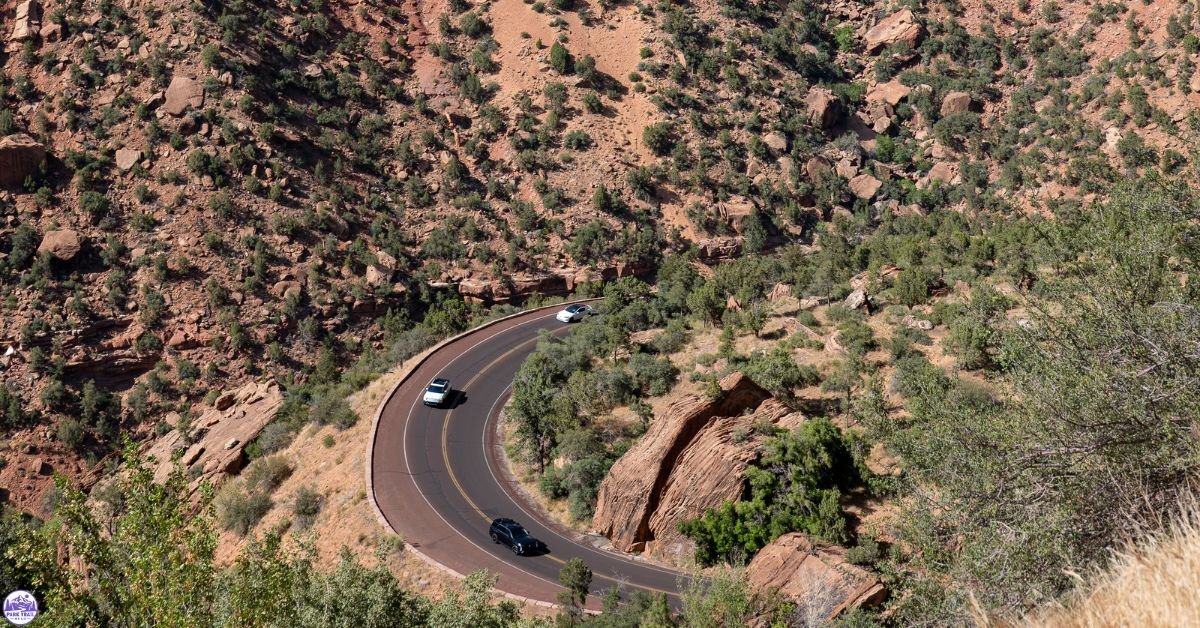
The Zion Scenic Drive is the main artery of Zion National Park, leading to some of the most iconic views in Utah. However, it comes with a major catch: for most of the year, you cannot drive your own car on it.
From early March through late November, Zion National Park operates a free mandatory shuttle system along this 7-mile canyon road. While this catches many road trippers off guard, it keeps traffic manageable and preserves the canyon’s natural beauty.
The good news? The stunning Zion-Mount Carmel Highway (UT-9) remains open to private vehicles year-round.
Whether you are planning a summer road trip or a winter getaway, this complete guide covers shuttle schedules, parking strategies, best trail stops, and critical 2026 highway rule changes.
The scenic drive is just one part of a memorable Zion visit. For a broader trip plan, explore our guide to things to do in Zion National Park, including popular hikes, easy walks, and a practical 2–3 day itinerary.
Quick Answer: How Does Zion Scenic Drive Work?
- Shuttle Season (Early March to Late November): Private cars are prohibited on Zion Scenic Drive. You must park at the Visitor Center or in Springdale and take the free shuttle.
- Winter / Off-Season (December to February): Private vehicles can drive the canyon road, except during peak holiday shuttle weeks near late December.
- Zion-Mount Carmel Highway: Open to regular personal vehicles 365 days a year.
- Key Tip: Park early at the Visitor Center (before 8:00 AM) and budget at least half a day for the canyon loop.
Zion Scenic Drive: Shuttle Season vs. Winter Self-Drive
Your travel dates determine how you experience the park. Here is how access changes throughout the year:
| Period | Private Cars Allowed on Scenic Drive? | What to Expect |
| Early March – Late November | ❌ No (Shuttle Only) | Free shuttle service; parking lots fill up very early. |
| Early December – Mid-December | ✅ Yes | Self-drive allowed; limited parking, occasional temporary closures. |
| Late December (Holiday Season) | ❌ No (Shuttle Only) | Holiday shuttle runs for ~12 days; high traffic and busy lots. |
| January – February | ✅ Yes | Self-drive allowed; quieter park, but cold weather and potential ice. |
Note: Specific start and end dates shift slightly each year based on NPS schedules. Always check the official Zion National Park site prior to your trip.
How to Navigate the Zion Canyon Shuttle System
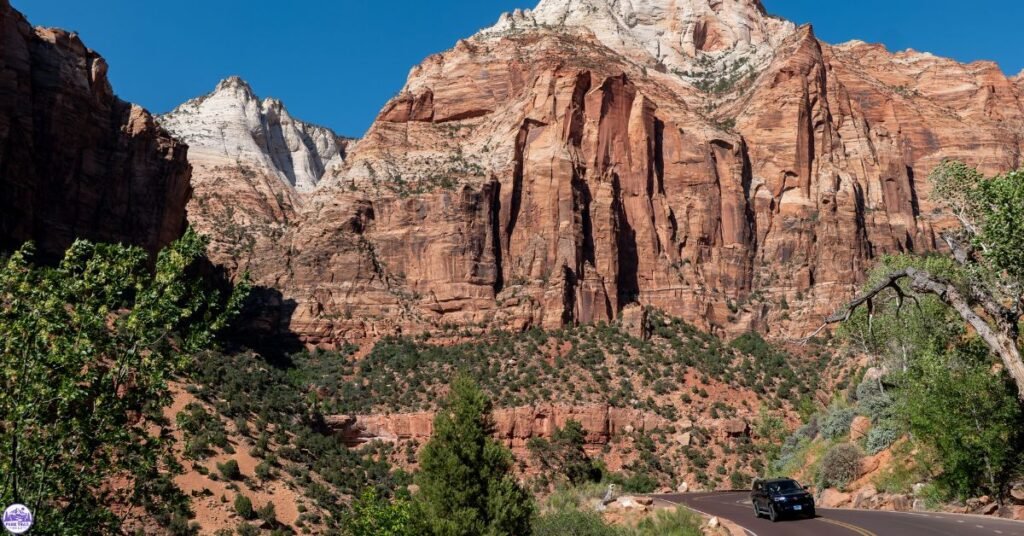
The main Zion Canyon Line shuttles run continuously between the Visitor Center (Stop 1) and the Temple of Sinawava (Stop 9).
- Frequency: During peak hours, buses arrive every 5 to 10 minutes.
- Ride Time: A non-stop ride from Stop 1 to Stop 9 takes about 45 minutes (90 minutes round-trip).
- Tickets: No reservations or tickets are required—riding is completely free with your paid park entrance fee.
The Springdale Town Shuttle
If the parking lots inside the park fill up, park in the town of Springdale and catch the free Springdale Line. The shuttle drops you off at the pedestrian entrance of the park, where you can walk in and board the main canyon shuttle.
⚠️ Crucial Rule: Always double-check the time of the last shuttle out of the canyon. Missing the final return bus from Stop 9 means an 8-mile hike back to the Visitor Center in the dark.
Beat the Parking Nightmare: Insider Tips
Parking is the single biggest bottleneck at Zion. The main Visitor Center parking lot often fills up completely by 8:00 AM to 8:30 AM during peak months.
- Set an Early Cutoff: Aim to arrive at the main entrance gate before 7:30 AM.
- Have a Backup Plan: Don’t waste time circling the Visitor Center lot if it is full. Drive straight to Springdale, pay for town parking, and take the Springdale shuttle.
- Avoid Peak Holidays: Memorial Day, Labor Day, and Thanksgiving weekends draw massive crowds, leading to long shuttle queue wait times.
Best Stops Along the Zion Scenic Drive
Instead of trying to visit all 9 shuttle stops, focus on 3 or 4 high-value stops to maximize your time.
Pro Tip: Ride the shuttle straight to the last stop (Stop 9) first thing in the morning. Enjoy the quieter views at the top of the canyon, then work your way back down.
Top Recommended Stops:
- Stop 9: Temple of Sinawava — The end of the road and starting point for the famous, family-friendly Riverside Walk (which leads to The Narrows).
- Stop 6: The Grotto — Scenic picnic area and trailhead for Angels Landing (permit required) and West Rim Trail.
- Stop 5: Zion Lodge — Ideal mid-day stop for lunch, restrooms, drinking water refill, and a shady rest under the historic cottonwood tree.
- Stop 3: Court of the Patriarchs — A short 5-minute uphill walk to a stunning viewpoint overlooking three towering sandstone peaks.
Critical 2026 Zion-Mount Carmel Highway Rules (UT-9)
If you are driving your own vehicle, the Zion-Mount Carmel Highway is an absolute must-do. Connecting the South Entrance to the East Entrance, this historic 1930s engineering marvel features scenic switchbacks and the famous 1.1-mile tunnel.
Important Updates for Oversized Vehicles & RVs
- No More Escorts/Permits: The National Park Service updated safety regulations for the Zion-Mount Carmel Tunnel. Oversized vehicles and RVs requiring traffic control are restricted from traveling this highway segment.
- Vehicle Size Limits: Vehicles exceeding 11’4″ in height, 7’10” in width, or 35’9″ in length cannot travel through the tunnel.
- Better Traffic Flow for Standard Cars: Because large RV escorts no longer stop tunnel flow, regular passenger vehicles enjoy smooth, two-way traffic movement through the tunnel.
Highlights Along the Zion-Mount Carmel Highway
Starting from Canyon Junction and driving East toward the exit, make sure to stop at:
- Pine Creek Switchbacks: Tight, sweeping turns offering dramatic views of the canyon floor below.
- Zion-Mount Carmel Tunnel: Drive through 1.1 miles of rock cut directly through the sandstone cliff. (Note: Stopping or taking photos inside the tunnel is strictly prohibited).
- Canyon Overlook Trailhead: Located right outside the eastern tunnel exit. A short 1-mile round-trip hike delivering panoramic views comparable to Angels Landing without the extreme height.
- Checkerboard Mesa: A massive sandstone mountain featuring distinct cross-bedding horizontal and vertical grooves.
Perfect 1-Day Zion National Park Itinerary
- 7:00 AM – 7:30 AM: Arrive early, park at the Zion Visitor Center, and clear the entrance.
- 8:00 AM: Board the Zion Canyon Shuttle and ride straight to Stop 9 (Temple of Sinawava).
- 8:45 AM – 10:30 AM: Walk the Riverside Walk trail.
- 11:00 AM: Catch the shuttle down to Stop 5 (Zion Lodge) for lunch and a shade break.
- 12:30 PM: Hop off at Stop 3 (Court of the Patriarchs) for quick photos.
- 1:30 PM: Take the shuttle back to the Visitor Center and return to your car.
- 2:30 PM – 5:00 PM: Drive the Zion-Mount Carmel Highway (UT-9), hike the Canyon Overlook Trail, and photograph Checkerboard Mesa in afternoon light.
FAQs
Is the Zion Scenic Drive shuttle free?
Yes. You don’t need a ticket, permit, or reservation to ride. You still have to pay the park entrance fee.
Can you bike the Zion Scenic Drive?
Yes. Utah’s tourism board says cyclists can ride the 7-mile road. Riders must pull over and stop when a shuttle approaches from behind. Shuttles also carry a limited number of bikes on a rack, so some visitors ride up and cycle back down.
Do you need a permit for the Zion-Mount Carmel Highway?
Regular cars don’t need a tunnel permit. The large-vehicle permit option ended on June 7, 2026, and oversized vehicles can’t use the highway between Canyon Junction and the East Entrance.
What happens if parking fills up in winter?
The park may temporarily close Zion Scenic Drive when canyon parking is full. Arrive early on a weekday, and have a backup plan.
How long does the Zion Scenic Drive take?
The shuttle takes about 45 minutes one way from Stop 1 to Stop 9. Add time for walks, photos, and waiting, and plan at least half a day.
Conclusion
Do the Zion Scenic Drive by shuttle, and do it early. Park at the Visitor Center before the lot fills, ride to Stop 9 first, and work your way down with three planned stops. Drive the Zion-Mount Carmel Highway in the afternoon, when the east side catches better light and the shuttle crowds thin out.
If you visit in January or February, drive the Zion Scenic Drive yourself, but go on a weekday morning. Expect a full lot otherwise. If you tow a trailer or drive an RV, don’t build your route around UT-9.
Skip the shuttle loop only if you have under two hours. In that case, the highway and the Canyon Overlook Trail give you the best return on your time.
Sources
Traffic & Travel Tips
Directions (Large Vehicle Information)
Author Bio
Awais is the Founder and Editorial Director of ParkTrailsGuide. Working with a network of outdoor contributors and current park data, he creates deeply researched survival guides, packing frameworks, and safety blueprints for U.S. national parks. His mission is to turn complex official National Park Service data into clear, actionable travel resources.
1 thought on “Ultimate Guide to Zion Scenic Drive: Shuttle Rules, Top Stops, and Mount Carmel Highway Tips”