
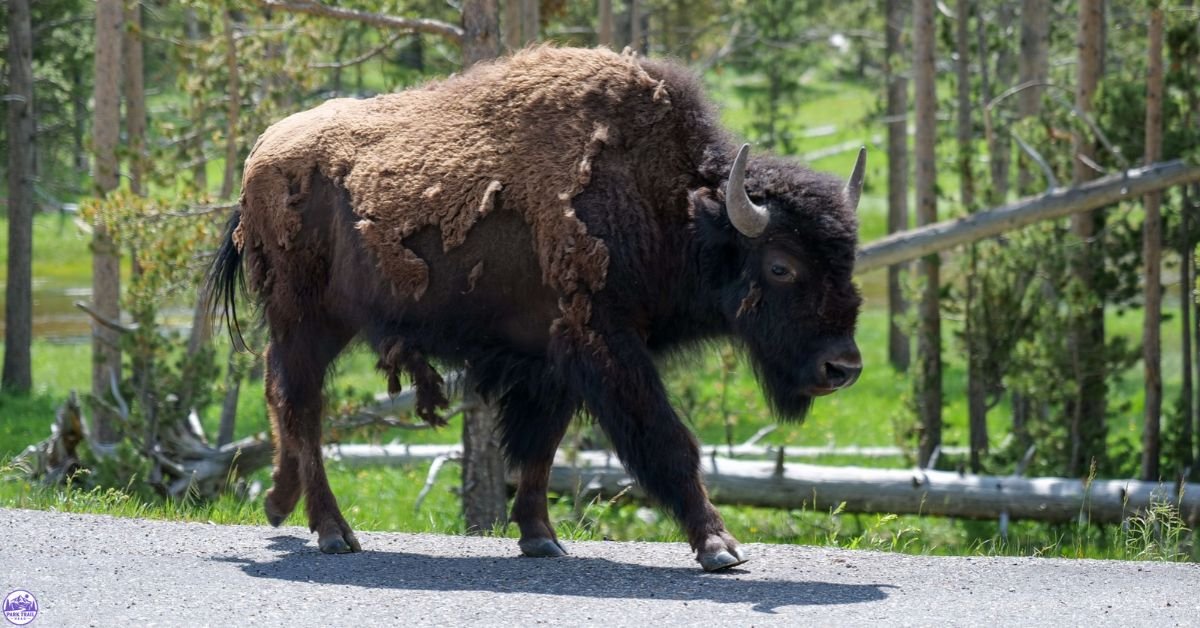
Yellowstone National Park is one of the most remarkable places in the United States to see wildlife in its natural habitat. Across its vast landscapes, animals move freely through open valleys, mountain forests, river corridors, and grassy meadows. You might see a herd of bison crossing the road, an elk feeding near a meadow, or a wolf moving across a distant hillside.
However, spotting wildlife in Yellowstone is not simply a matter of driving through the park and hoping for the best. Knowing which areas to explore, when animals are most active, and how their movements change throughout the year can make your visit much more rewarding.
Some locations are especially well known for particular species. Lamar Valley is famous for wolf watching, Hayden Valley offers excellent opportunities to observe bison, and the cliffs around Tower-Roosevelt provide habitat for bighorn sheep.
This guide explains where to look for different animals in Yellowstone, which seasons offer the best viewing opportunities, and how to enjoy wildlife without disturbing it.
Wildlife watching is just one part of a Yellowstone vacation. For a broader overview of the park’s main attractions, including geyser basins, waterfalls, scenic drives, and wildlife viewing areas, explore our guide to the best Yellowstone park activities.
Quick Answer: Lamar Valley is one of the best places to look for wolves, bison, and other northern-range wildlife. Hayden Valley is particularly good for bison and waterbirds, while Mammoth Hot Springs is known for its elk herds, especially during the fall rut. Visit early in the morning or later in the evening for better viewing opportunities. Keep at least 100 yards from bears, wolves, and cougars and 25 yards from all other wildlife.
Best Places to See Animals in Yellowstone National Park
Yellowstone is a large park, and different animals prefer different habitats. Some spend much of their time in open grasslands, while others prefer forest edges, rocky slopes, or wetlands.
Rather than driving randomly around the Grand Loop Road, plan your wildlife stops around the areas where your target animals are commonly found.
Here are some of the best locations to include in your itinerary.
| Location | Animals to Look For | Best Viewing Period |
| Lamar Valley | Wolves, bison, pronghorn, bears, elk | Early morning and evening |
| Hayden Valley | Bison, elk, waterbirds, occasional bears | Early morning and evening |
| Mammoth Hot Springs | Elk and occasional other mammals | Especially September–October |
| Tower-Roosevelt and Calcite Springs | Bighorn sheep and other wildlife | Morning and evening |
| Soda Butte Creek | Moose and other northern-range wildlife | Early morning and evening |
| Madison River Corridor | Elk, bison, and birds | Morning and evening |
Wildlife sightings are never guaranteed. Even in famous viewing areas, animals may move into forests or remain hidden for hours. Patience and good viewing equipment can make a significant difference.
1. Lamar Valley: One of the Best Places to Watch Wolves
Lamar Valley, located in northeastern Yellowstone, should be near the top of your list if wolves are one of your main reasons for visiting the park.
The valley has broad grasslands, open hillsides, and river corridors that make it easier to scan the landscape for wildlife. Its northern-range location also makes it an important habitat for wolves and their prey.
Wolves are often difficult to recognize without binoculars or a spotting scope. You may initially notice what looks like a small dark shape moving across a distant hillside. With a good spotting scope, that distant shape might turn out to be a wolf pack.
Besides wolves, Lamar Valley offers opportunities to see:
- Large herds of American bison.
- Pronghorn grazing in open grasslands.
- Elk feeding around the valley.
- Black and grizzly bears.
- Coyotes and various bird species.
When should you visit?
Early morning and evening are generally the best times to watch wildlife. Arriving around first light gives you time to choose a good roadside pullout and scan the hillsides before daytime activity increases.
Bring binoculars, and consider a spotting scope if wolf watching is a priority.
You do not need to walk toward animals to get a better view. Stay at a designated viewing area and use your equipment to observe them from a safe distance.
The National Park Service identifies Yellowstone’s northern range as one of the best places in the world to watch wolves.
2. Hayden Valley: Excellent Bison Viewing Opportunities
Hayden Valley is another important wildlife viewing area, located in central Yellowstone along the Yellowstone River.
Its open meadows and riverbanks provide suitable habitat for large grazing animals. Bison are especially noticeable here, and visitors often see them feeding in the grasslands or gathering near the river.
During the summer breeding season, the valley can become particularly interesting. Male bison compete for females, producing deep, distinctive bellows that carry across the open landscape.
You may also encounter:
- Elk grazing near the edges of meadows.
- Waterfowl around wetland areas.
- Coyotes moving through open grasslands.
- Birds of prey searching for food.
- Bears in suitable habitat, depending on the season and recent activity.
When should you visit?
Early morning and late evening are good times to explore Hayden Valley. August is especially interesting for bison activity because it is their primary breeding season.
A helpful approach is to stop at a designated roadside pullout, use binoculars to scan the riverbanks, and give yourself enough time to observe the landscape.
Do not assume that every large group of bison will remain in the same location throughout your visit. Herds move regularly, so viewing conditions can change quickly.
3. Mammoth Hot Springs: A Great Place to See Elk
Mammoth Hot Springs offers a different wildlife experience from the open valleys.
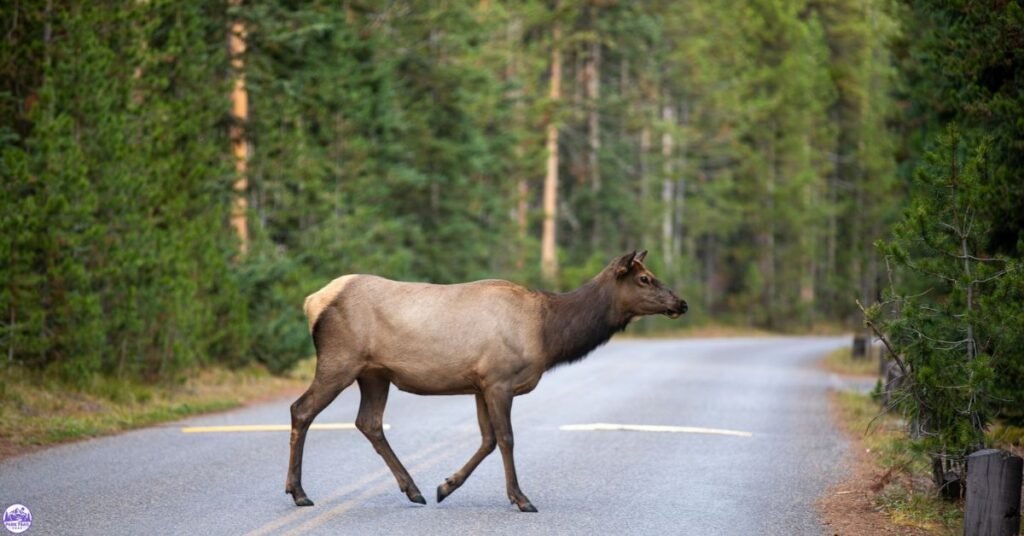
Elk are commonly seen around the Mammoth developed area, where grassy spaces and surrounding landscapes provide suitable habitat.
The area becomes particularly interesting during September and October, when male elk enter the rut, or mating season.
Bull elk use loud calls known as bugling to communicate with other males and attract females. Watching this behavior from a safe location can be one of the memorable experiences of an autumn visit.
You may also see elk calves in spring, although their mothers can become particularly protective during this period.
Important safety reminder: Elk may appear comfortable around buildings and vehicles, but they are still wild animals. Never approach them for photographs, especially during the breeding season or when calves are nearby.
Remain at least 25 yards away and follow any temporary instructions or closures established by park rangers.
4. Tower-Roosevelt and Calcite Springs: Look for Bighorn Sheep
Tower-Roosevelt is worth including in a wildlife-focused Yellowstone itinerary, particularly if you want to see animals beyond the famous bison and wolves.
The rocky cliffs around the Tower area provide suitable habitat for bighorn sheep. Their climbing abilities allow them to move across steep slopes that would be difficult for many other mammals.
Look carefully along exposed rock faces, especially when the light makes animal shapes easier to recognize.
Other wildlife may also appear around forest edges and open areas.
Dunraven Pass is another interesting route for wildlife watching when it is open to regular vehicle traffic. However, remember that this is a seasonal road, and access depends on weather and park operating conditions.
5. Soda Butte Creek and Pelican Creek: Where to Look for Moose
Moose are among the more difficult large mammals to find in Yellowstone.
Unlike bison, which are frequently visible in open grasslands, moose tend to use vegetation-rich habitats where they can remain partially hidden.
The National Park Service identifies marshy meadows, lakeshores, and river corridors as important places to look for them.
Some areas worth considering include:
- Soda Butte Creek in northern Yellowstone.
- Pelican Creek near Yellowstone Lake.
- Lewis River drainage.
- Gallatin River drainage.
Yellowstone has a relatively small moose population, with the NPS reporting fewer than 200 animals. Their preference for thick vegetation and quieter habitats makes sightings less predictable.
If finding a moose is important to you, avoid rushing through these areas. Scan willow-covered riverbanks and marshy meadows carefully.
Best Time of Year to See Animals in Yellowstone
Wildlife viewing changes throughout the year. Seasonal temperatures, vegetation, food availability, breeding cycles, and snow conditions all influence where animals spend their time.
Instead of choosing a month based on a general promise of seeing every species, consider which animals you most want to observe.
Spring (April to June)
Spring is an interesting season for wildlife enthusiasts.
As snow begins to melt at lower elevations, animals become more active around accessible valleys and meadows. Bears emerge from their winter dens, and visitors may see young bison and elk.
May is particularly appealing because the National Park Service highlights several seasonal wildlife events, including:
- Bison calves appearing in Lamar Valley.
- Elk calves around Mammoth Hot Springs.
- Bears feeding in roadside meadows.
- Wolves are becoming more visible around their northern-range habitat.
- Pronghorn calves in the northern range.
However, spring weather can be unpredictable. Higher elevations may still have snow, and not every park road or facility will be open.
Check road conditions before planning long drives between different sections of Yellowstone.
Summer (July to August)
Summer is the busiest visiting season, but it also offers many wildlife viewing opportunities.
Bison are especially noticeable during this period. July and August are important months for their breeding season, commonly called the rut.
Lamar Valley and Hayden Valley are particularly interesting places to observe this behavior.
During the warmer months, some animals may spend more time in shaded or higher-elevation habitats. This does not mean wildlife disappears during the afternoon, but you may need more patience when scanning open areas.
Summer is also a good time to observe birds, including waterbirds and birds of prey around Yellowstone’s rivers and wetlands.
Autumn (September to October)
Autumn is one of the most rewarding seasons for visitors interested in elk and bear activity.
September marks the beginning of the elk rut. Around Mammoth Hot Springs and Grant Village, visitors may hear bull elk bugling and observe their breeding behavior from designated viewing areas.
Other seasonal highlights include:
- Grizzly and black bears feeding in preparation for winter.
- Elk become more active during the breeding season.
- Migrating raptors in areas such as Hayden Valley.
- Cooler temperatures and changing autumn colors.
Keep in mind that September is still a busy visitation month. October generally brings fewer visitors, but snow and changing weather can affect road access.
Winter (November to March)
Winter offers a very different wildlife experience.
Snow-covered landscapes make animal tracks easier to notice, and wolves in Lamar Valley can be an interesting focus for visitors willing to deal with cold weather.
Bighorn sheep also enter their breeding season around this part of the year.
However, access is limited. Most Yellowstone roads close to regular vehicle traffic during winter. The road connecting the North Entrance near Gardiner to the Northeast Entrance near Cooke City is generally the only road open year-round to regular vehicles.
As of November 2026, the majority of Yellowstone’s regular vehicle roads have closed for the winter season.
Always check current road conditions before traveling because snow and ice can cause temporary closures even on the year-round route.
Best Time of Day for Wildlife Watching
Choosing the right time of day can improve your chances of seeing animals.
The National Park Service explains that many animals are easier to observe during early morning and evening hours because they tend to feed during these periods.
Here is a practical schedule to consider.
Early Morning: First Light to Around 9 AM
This is an excellent time to explore Lamar Valley and Hayden Valley.
Animals may be feeding in open meadows, while cooler temperatures and quieter roads make it easier to concentrate on wildlife.
For wolf watching, arrive early, choose a safe pullout, and scan distant hillsides using binoculars or a spotting scope.
Midday: Around 11 AM to 4 PM
Wildlife may still be visible, but sightings can become less predictable.
Use this part of the day for scenic drives, visitor centers, geothermal attractions, or lunch breaks.
You can also stop at suitable wildlife habitats along your route, but avoid expecting the same level of activity you might encounter during early morning hours.
Late Afternoon and Evening: Before Sunset
As daylight begins to fade, some animals return to open meadows to feed.
This is another useful time to explore the valleys, particularly if your morning search did not produce the sightings you hoped for.
Remember that wildlife is unpredictable. There is no guaranteed time when a particular animal will appear.
Wildlife Viewing Equipment Worth Bringing
You do not need expensive professional photography equipment to enjoy Yellowstone’s wildlife.
However, a few useful items can make distant sightings easier and help you observe animals without approaching them.
1. Binoculars
Binoculars are one of the most useful items for a Yellowstone wildlife trip.
An 8×42 or 10×42 pair provides a practical balance of magnification, brightness, and portability.
They are especially helpful when scanning hillsides, meadows, and forest edges.
2. Spotting Scope
A spotting scope can be particularly useful in Lamar Valley, where wolves and other animals may be several hundred yards or more away.
Higher magnification helps you observe details that ordinary binoculars may not reveal clearly.
A tripod also makes extended viewing more comfortable.
3. Camera With a Telephoto Lens
A telephoto lens lets you photograph wildlife without getting dangerously close.
The National Park Service recommends lenses of 300mm or greater for adequate reach when photographing distant animals.
Remember that camera equipment should help you maintain a safe distance, not encourage you to approach wildlife.
4. Bear Spray
Bear spray is an important safety item when exploring Yellowstone’s hiking trails and other bear habitats.
Carry it in an accessible waist or chest holster rather than inside your backpack, and learn how to use it before entering bear country.
Check the expiration date and choose an EPA-approved product specifically designed for bears.
Yellowstone Wildlife Safety Rules You Should Never Ignore
Watching a wild animal in its natural environment can be exciting, but safety should always come first.
Yellowstone has strict wildlife distance requirements designed to protect both visitors and animals.
Required Wildlife Viewing Distances
| Animal | Minimum Required Distance |
| Bears | 100 yards (91 meters) |
| Wolves | 100 yards (91 meters) |
| Cougars | 100 yards (91 meters) |
| Bison | 25 yards (23 meters) |
| Elk | 25 yards (23 meters) |
| All other wildlife | 25 yards (23 meters) |
These distances are not suggestions. Visitors must follow them even when an animal appears calm or seems comfortable around people.
An additional rule is especially important: it is illegal to deliberately remain near or approach wildlife when your presence disturbs or displaces the animal, even if you are outside the minimum distance.
For example, if an animal changes its behavior because of your presence, move farther away.
Why Bison Can Be Dangerous
Bison are among the most recognizable animals in Yellowstone, but their size and strength make them dangerous.
An adult bison can weigh up to 2,000 pounds and run as fast as 35 miles per hour.
Visitors sometimes underestimate their speed because they may appear slow while grazing.
Never approach a bison for a photograph, attempt to feed it, or stand near it for a close-up picture.
If bison are standing on the road, remain inside your vehicle and wait patiently. Do not honk your horn or attempt to force the animal to move.
What to Do During Wildlife Traffic Jams
Wildlife traffic jams are common in popular viewing areas.
A group of vehicles may slow down because someone has spotted a bear, wolf, or bison near the road.
Before stopping, make sure you can pull completely into a designated roadside pullout without blocking traffic.
Never park in a travel lane or drive onto roadside vegetation.
If the area is crowded, follow ranger instructions and continue to a safer stopping location rather than creating another traffic problem.
Common Wildlife Viewing Mistakes to Avoid
Even visitors who spend several days in Yellowstone can miss excellent wildlife opportunities because of a few avoidable planning mistakes.
Here are some things to keep in mind.
1. Starting Your Wildlife Search Too Late
Leaving your accommodation after breakfast may mean missing some of the quieter early-morning viewing opportunities.
Try to reach your chosen valley around first light, particularly if wolves or bears are your main targets.
2. Expecting to See Wolves Immediately
Lamar Valley is famous for wolf watching, but that does not mean wolves appear whenever visitors arrive.
They may be resting, moving through forests, or feeding far from the road.
Give yourself enough time and remember that even experienced wildlife watchers can have unsuccessful mornings.
3. Bringing Only a Smartphone Camera
A phone camera may be sufficient for photographing nearby landscapes or animals visible at a safe distance, but it is often inadequate for distant wolves or bears.
Bring binoculars or a suitable telephoto lens to make the most of your viewing opportunities.
4. Following Every Wildlife Traffic Jam
Not every group of parked vehicles indicates an active wildlife sighting.
Some animals may have already moved away by the time you arrive. It is generally more productive to focus on suitable habitats and established viewing areas.
5. Ignoring Wildlife Safety Distances
Never leave your vehicle to get closer to a bison, elk, or bear.
A photograph is never worth risking your safety or disturbing an animal in its natural habitat.
A Practical 4-Day Yellowstone Wildlife Itinerary
If wildlife watching is an important part of your trip, you can organize your days around the park’s major viewing regions.
This suggested itinerary prioritizes early-morning and evening opportunities while leaving midday hours available for other attractions.
Day 1: Explore Lamar Valley and the Northern Range
Early Morning: Begin your day in Lamar Valley. Look across the open grasslands for wolves, bison, pronghorn, and other wildlife.
Late Morning: Drive toward Tower-Roosevelt and Mammoth Hot Springs. Explore the area and look for elk and wildlife along the surrounding hillsides.
Late Afternoon: Return toward Lamar Valley if your accommodation and road conditions make the drive practical. Spend time scanning the valley from designated pullouts.
Day 2: Focus on Hayden Valley and the Grand Canyon of the Yellowstone
Early Morning: Arrive in Hayden Valley and look for bison herds feeding near the Yellowstone River.
Late Morning: Visit the Grand Canyon of Yellowstone. This is a good opportunity to explore the area’s scenery while wildlife activity is less predictable.
Late Afternoon: Return to Hayden Valley and scan open meadows, riverbanks, and the edges of the forest.
Day 3: Visit Mammoth Hot Springs and Tower-Roosevelt
Early Morning: Explore Mammoth Hot Springs and look for elk in the surrounding developed and meadow areas.
Late Morning: Continue toward Tower-Roosevelt and Calcite Springs. Look for bighorn sheep on rocky cliffs and slopes.
Afternoon: Enjoy the scenic surroundings and explore other attractions along the route. Dunraven Pass can be included when it is open to regular traffic.
Day 4: Explore Wildlife Habitats and Revisit Your Favorite Area
Early Morning: Choose a location based on the species you have not yet seen. Lamar Valley is worth another visit if wolves remain your priority.
Late Morning: Consider exploring wetland and river habitats near Soda Butte Creek or Pelican Creek if you are interested in moose.
Afternoon: Use the warmer hours for scenic stops, visitor centers, or other attractions.
Evening: Return to a suitable wildlife viewing area near your accommodation for one final viewing opportunity.
This itinerary is flexible rather than a fixed schedule. Yellowstone is a large park, so allow additional driving time, especially during summer traffic and wildlife-related road delays.
Frequently Asked Questions About Animals in Yellowstone
What is the best month to see animals in Yellowstone?
There is no single best month for every species.
May is a good choice for visitors interested in spring wildlife, including bison calves, elk calves, and bears. July and August are particularly interesting for bison breeding activity in Lamar and Hayden valleys. September and October offer opportunities to observe the elk rut around Mammoth Hot Springs and Grant Village.
Your best month depends on which animals you want to see and which roads and facilities are available.
Where can I see moose in Yellowstone?
Moose are difficult to locate because they often remain in areas with dense vegetation.
The National Park Service identifies marshy meadows, lake shores, and river corridors as suitable places to look.
Potential viewing areas include Soda Butte Creek, Pelican Creek, the Lewis River drainage, and the Gallatin River drainage.
Moose sightings are not guaranteed, so give yourself time to scan the surrounding vegetation.
Do I need a guided tour to see wolves and bears?
No. You can explore Yellowstone independently using public roads, designated pullouts, binoculars, and a spotting scope.
However, guided wildlife tours can be helpful, especially for first-time visitors who do not know the park’s major viewing areas.
Experienced guides may also help identify distant animals and share recent wildlife observations. Neither independent visits nor guided tours can guarantee a sighting.
What should I do if a bison blocks the road?
Stay inside your vehicle, slow down, and wait patiently.
Do not honk your horn, rev your engine, or attempt to drive aggressively around the animal.
Bison can move unpredictably, so give them plenty of room and allow them to leave the roadway on their own.
Can I see wildlife in Yellowstone during winter?
Yes. Wildlife viewing continues throughout the winter, particularly in the northern range.
Lamar Valley is an important location for visitors interested in watching wolves. Bighorn sheep and bison may also be visible in suitable areas.
However, most park roads close to regular vehicles during winter, so visitors should plan around the North Entrance–Northeast Entrance corridor and check road conditions before traveling.
Final Thoughts: Plan Your Yellowstone Wildlife Trip Carefully
Seeing wild animals in Yellowstone is one of the most memorable experiences the park offers. From wolves moving across Lamar Valley to bison grazing in Hayden Valley and elk bugling near Mammoth Hot Springs, every area provides a different opportunity to observe wildlife.
The best approach is to plan your visits around suitable habitats, arrive early when possible, carry binoculars, and leave enough time to explore without rushing.
For visitors particularly interested in wolves, staying near Gardiner or Cooke City can make early trips to Lamar Valley more convenient. Travelers interested in exploring several different parts of the park should choose accommodation according to their wider itinerary.
Most importantly, remember that Yellowstone is a wild environment, not a wildlife attraction where animal appearances can be scheduled.
Keep your distance, follow park regulations, and enjoy observing these animals in the places where they naturally belong.
Source
NPS – Yellowstone Wildlife
NPS – Seasons
Author Bio
Awais is the Founder and Editorial Director of ParkTrailsGuide. Working with a network of outdoor contributors and current park data, he creates deeply researched survival guides, packing frameworks, and safety blueprints for U.S. national parks. His mission is to turn complex official National Park Service data into clear, actionable travel resources.
1 thought on “Where to See Animals in Yellowstone: Best Locations and Wildlife Viewing Tips”