

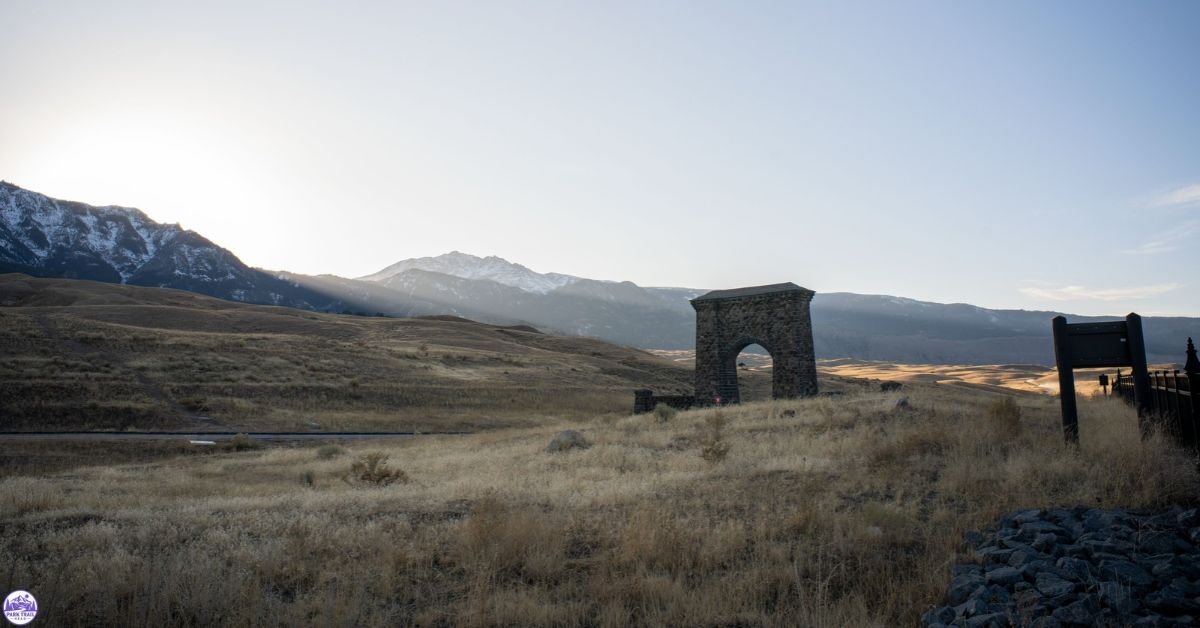
Choosing the right Yellowstone entrance can make a bigger difference to your trip than you might expect. The park has five entrances spread across three states, and driving between some areas can take several hours. Starting at the wrong gate can mean extra miles, unnecessary backtracking, and less time exploring the places you actually came to see.
The good news is that each entrance serves a different type of trip. The West Entrance is convenient for visitors heading to Old Faithful and the geyser basins. The North Entrance provides year-round vehicle access and is close to Mammoth Hot Springs. The Northeast Entrance is especially useful for wildlife viewing in Lamar Valley, while the East and South entrances work well for visitors approaching from Cody and Grand Teton.
This guide compares all five Yellowstone entrances, including their gateway towns, seasonal opening dates, average driving times, entrance fees, and the attractions each one makes easiest to reach.
Quick Answer: The West Entrance is usually the most convenient choice for first-time visitors who want to see Old Faithful and the geyser basins. Choose the North Entrance for winter access and Mammoth Hot Springs, the Northeast Entrance for Lamar Valley, the East Entrance when approaching from Cody, and the South Entrance when combining Yellowstone with Grand Teton National Park.
Choosing the right entrance is only the first step when planning a Yellowstone trip. You also need to decide which attractions deserve a place on your itinerary. Explore our guide to the best Yellowstone park activities, including famous geysers, colorful hot springs, waterfalls, wildlife-viewing areas, and scenic viewpoints.
Yellowstone Entrances at a Glance
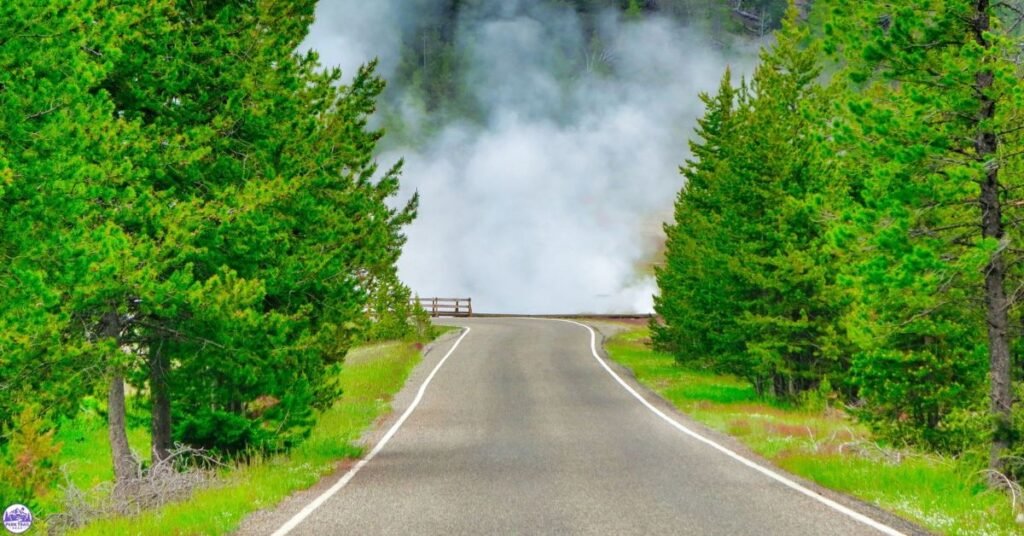
Yellowstone National Park covers almost 3,500 square miles. Its five entrance stations are located far apart, so your choice of gateway town and entrance road can affect your entire itinerary.
Here is a quick comparison to help you narrow down your options before looking at each entrance in more detail.
| Yellowstone Entrance | Gateway Town | Best For | Approximate NPS Drive Time to a Major Stop |
| West Entrance | West Yellowstone, Montana | Old Faithful and geyser basins | 30 minutes to Madison Junction, then 35–45 minutes to Old Faithful |
| North Entrance | Gardiner, Montana | Winter access and Mammoth Hot Springs | 15 minutes to Mammoth Hot Springs |
| Northeast Entrance | Cooke City / Silver Gate, Montana | Lamar Valley and wildlife watching | 60 minutes to Tower Junction |
| East Entrance | Cody, Wyoming | Yellowstone Lake and Canyon areas | 60 minutes to Lake Village |
| South Entrance | Jackson, Wyoming, via Grand Teton | Combining two national parks | 50 minutes to Grant Village |
These are National Park Service average driving times, not guaranteed arrival times. Wildlife on the roads, road construction, weather, and traffic can add considerably to your journey.
Another important detail is seasonal access. The North and Northeast entrances are connected by a road that generally remains open to regular vehicles throughout the year, weather permitting. The other entrance routes operate seasonally.
1. Yellowstone West Entrance: Best for Old Faithful and First-Time Visitors
The West Entrance, located in West Yellowstone, Montana, is a practical starting point for visitors who want to explore Yellowstone’s famous geothermal attractions.
It provides relatively quick access to Madison Junction, which connects drivers to several important areas of the park. According to the NPS, the average drive from the West Entrance to Madison Junction is approximately 30 minutes. From there, reaching Old Faithful takes another 35 to 45 minutes.
This makes the West Entrance particularly convenient if watching Old Faithful erupt is one of your main priorities.
What Can You See From the West Entrance?
The West Entrance provides a convenient route toward:
- Old Faithful and the Upper Geyser Basin
- Midway Geyser Basin
- Grand Prismatic Spring
- Lower Geyser Basin
- Madison Junction
You can organize a full day around the geothermal attractions without spending as much time driving as you might from some other entrances.
Is the West Entrance Busy?
The main disadvantage is summer traffic. West Yellowstone is a popular gateway community, and many visitors use this entrance when exploring the park.
During June, July, and August, allow extra time for entrance queues, parking, and traffic inside Yellowstone.
A useful approach is to leave your accommodation early, preferably in the morning, and have your entrance pass ready before reaching the gate. You can also check the NPS entrance webcam before setting out.
Our recommendation: Choose the West Entrance if you have three to five days in Yellowstone and want to prioritize geysers, hot springs, and the park’s central attractions.
If avoiding busy roads is more important to you, consider entering through the North Entrance instead. Just remember that the drive to Old Faithful will be longer.
2. Yellowstone North Entrance: The Best Choice for Winter Access
The North Entrance is located near Gardiner, Montana. It is particularly important because it connects Yellowstone with a year-round road route.
Unlike the West, East, and South entrance roads, the road connecting Gardiner, Mammoth Hot Springs, Tower Junction, and Cooke City generally remains open to regular vehicles throughout the winter, weather permitting.
This makes the North Entrance the most practical starting point for visitors who want to explore Yellowstone by car between November and April.
What Can You See From the North Entrance?
One of its biggest advantages is its proximity to Mammoth Hot Springs.
The NPS lists an average drive of approximately 15 minutes from the North Entrance to Mammoth Hot Springs.
Other important areas include:
- Mammoth Hot Springs Terraces
- Tower Junction
- Lamar Valley, farther along the northern road
- The historic buildings around Mammoth Hot Springs
For wildlife enthusiasts, this entrance provides convenient access to the northern section of the park.
Visiting the North Entrance in Winter
Winter travel requires more preparation than a summer road trip.
Snow, icy surfaces, rapidly changing weather, and temporary closures can affect driving conditions. Services may also be limited compared with the summer season.
Before leaving Gardiner, check the latest NPS road information. Keep your fuel tank reasonably full, carry appropriate winter supplies, and leave room in your schedule for weather-related changes.
Our recommendation: The North Entrance is the strongest choice for regular-vehicle winter access, Mammoth Hot Springs, and trips focused on northern Yellowstone.
3. Yellowstone Northeast Entrance: Best for Lamar Valley and Wildlife Viewing
The Northeast Entrance sits near Cooke City and Silver Gate, Montana. It is one of the most convenient entrances for travelers whose main goal is exploring Lamar Valley.
Lamar Valley is widely known for wildlife viewing opportunities. Visitors come to this part of Yellowstone hoping to spot bison, elk, wolves, and other animals in their natural habitat.
The NPS lists an average drive of approximately 60 minutes between the Northeast Entrance and Tower Junction.
The journey itself is part of the experience because the road passes through an area known for wildlife activity.
Remember that wildlife sightings are never guaranteed. The time of day, weather, animal movements, and seasonal conditions can all influence what you see.
The Beartooth Highway Approach
One of the most memorable ways to reach the Northeast Entrance is through the Beartooth Highway (US-212).
This scenic mountain route connects the Red Lodge area with Cooke City and offers impressive mountain views, high-elevation landscapes, and opportunities for photography.
However, the highway is seasonal. The NPS says it typically opens around Memorial Day weekend and closes in mid-October, depending on weather.
For 2027, the NPS currently lists a projected opening period of May 28 through October 11. These dates may change with weather conditions.
Another route in this region is the Chief Joseph Scenic Byway (WY-296), which connects the Cooke City area with Cody, Wyoming. Some sections have seasonal restrictions, so check road conditions before planning this drive.
Wildlife Viewing Advice
Lamar Valley is a beautiful place to watch wildlife, but visitors should never approach animals or stop in the middle of the road to take photographs.
Use designated pullouts, follow park parking rules, and maintain the required wildlife viewing distances. The NPS requires visitors to remain at least 100 yards away from bears and wolves and at least 25 yards away from other wildlife, including bison and elk.
Our recommendation: Select the Northeast Entrance if Lamar Valley wildlife viewing and the Beartooth Highway are major priorities. It is particularly useful for travelers staying in Cooke City or Silver Gate.
4. Yellowstone East Entrance: Best for Visitors Coming From Cody
The East Entrance connects Yellowstone with Cody, Wyoming, through the scenic US 14-16-20 route.
According to Cody Yellowstone’s visitor information, the East Entrance is approximately 52 miles west of Cody.
This makes Cody a convenient gateway for visitors who want to spend time in the town before continuing into Yellowstone.
The route also crosses Sylvan Pass, a mountain section where weather and road conditions can influence travel.
What Can You See From the East Entrance?
Once inside Yellowstone, the NPS lists an average driving time of approximately 60 minutes from the East Entrance to Lake Village.
From Lake Village, visitors can continue toward:
- Yellowstone Lake
- Fishing Bridge
- Hayden Valley
- Canyon Village
- Grand Canyon of the Yellowstone
Lake and canyon sightseeing can fit naturally into an itinerary starting from Cody.
However, Old Faithful is considerably farther away than it is from the West Entrance. Consider that extra driving time before choosing where to stay.
Seasonal Road Access
The East Entrance is not a year-round regular-vehicle entrance.
In 2026, the road from the East Entrance to Fishing Bridge opened on May 1. It closed to regular vehicle traffic on November 1 for winter operations.
For 2027, the NPS currently projects an opening date of May 7. Weather and operational conditions may change the schedule.
Our recommendation: Choose the East Entrance when Cody is your starting point or when Yellowstone Lake and Canyon Village are priorities.
5. Yellowstone South Entrance: Best for a Yellowstone and Grand Teton Road Trip
The South Entrance is a natural choice for travelers planning to visit both Yellowstone and Grand Teton National Park.
It is located north of Jackson, Wyoming, and provides a route through Grand Teton before reaching Yellowstone.
This is an important detail when budgeting for your trip: the two national parks have separate standard entrance fees unless you have an eligible pass covering both.
What Can You See From the South Entrance?
The NPS lists an average driving time of approximately 50 minutes from the South Entrance to Grant Village.
From Grant Village, you can continue toward:
- West Thumb Geyser Basin
- Yellowstone Lake
- Old Faithful
- Lake Village
The drive from Grant Village to Old Faithful takes approximately another 40 minutes, based on NPS averages.
The route crosses Craig Pass between West Thumb and Old Faithful. This section is also subject to seasonal road opening dates.
When Does the South Entrance Open?
The South Entrance is seasonal for regular vehicles.
In 2026, its road to West Thumb opened on May 8. The NPS currently projects May 14 as the opening date for the corresponding South Entrance route in 2027.
That makes the South Entrance a less suitable option for early-spring road trips.
Our recommendation: Choose the South Entrance when Grand Teton is part of your itinerary. It is especially useful if you are starting in Jackson and traveling north through the two parks.
Official Yellowstone Drive Times vs. Actual Travel Time
One of the biggest mistakes visitors make is treating Yellowstone like an ordinary road-trip destination.
On a regular highway, a 30-minute drive might mean you reach your destination in roughly half an hour. Inside Yellowstone, the same estimate can change because of wildlife, construction, parking, and sightseeing stops.
The NPS publishes average drive times to help visitors plan their journeys, but it also warns that actual travel times may be considerably longer.
Here are some useful examples.
| Road Segment | NPS Average Drive Time |
| West Entrance to Madison Junction | 30 minutes |
| Madison Junction to Old Faithful | 35–45 minutes |
| South Entrance to Grant Village | 50 minutes |
| East Entrance to Lake Village | 60 minutes |
| Lake Village to Canyon Village | 35 minutes |
| Canyon Village to Tower Junction | 50–60 minutes |
| Northeast Entrance to Tower Junction | 60 minutes |
| North Entrance to Mammoth Hot Springs | 15 minutes |
| Mammoth Hot Springs to Norris Junction | 45 minutes |
These figures are useful for estimating travel between major areas, but they should not be treated as guaranteed arrival times.
For example, the drive from the West Entrance to Old Faithful already involves approximately 65–75 minutes of average driving. That estimate does not include a long entrance queue, finding parking, or walking through the geyser basin.
A sensible Yellowstone itinerary usually includes two or three major sightseeing areas per day rather than trying to cover the entire park.
Road construction is another consideration. Check the NPS road improvement notices before traveling, particularly around bridges and major junctions.
Which Yellowstone Entrance Should You Choose?
The best entrance depends on your arrival point, travel dates, and sightseeing priorities.
Use this comparison when making your decision.
| Your Travel Priority | Recommended Entrance | Main Reason |
| Visiting Old Faithful first | West | Shorter average drive to geyser areas |
| Exploring Yellowstone in winter by car | North | Year-round vehicle access route |
| Watching wildlife in Lamar Valley | Northeast or North | Convenient access to northern Yellowstone |
| Flying into Cody | East | Approximately 52 miles from Cody |
| Combining Yellowstone and Grand Teton | South | Direct connection through Grand Teton |
| Driving the Beartooth Highway | Northeast | Access from the Cooke City direction |
You should also consider your airport.
The NPS lists year-round commercial airline service at airports in Cody and Jackson, Wyoming; Bozeman and Billings, Montana; and Idaho Falls, Idaho.
West Yellowstone’s airport has seasonal flights from Salt Lake City, generally from early May to mid-October.
Your accommodation can matter just as much as your flight. Staying in West Yellowstone makes the West Entrance convenient, while Gardiner is a practical base for the North Entrance and northern areas.
Before booking accommodation, compare the driving distance from your preferred town to your first planned sightseeing stop.
Yellowstone Entrance Opening Dates: 2026 and 2027
Seasonal road access is one of the most important things to understand before choosing an entrance.
Yellowstone does not operate all five entrance routes for regular vehicles throughout the year.
The North-to-Northeast road corridor is generally open year-round. The West, East, and South entrance routes close to regular vehicle traffic during winter.
2026 Regular Vehicle Opening Pattern
| Entrance Road | 2026 Opening Date | Winter Status |
| North to Northeast | Year-round | Open to regular vehicles, weather permitting |
| West | April 17 | Closed November 1 |
| East | May 1 | Closed November 1 |
| South | May 8 | Closed November 1 |
2027 Projected Opening Pattern
The NPS currently lists these projected dates for regular vehicle travel:
| Entrance Road | Projected 2027 Opening Date |
| North to Northeast | Year-round |
| West | April 16 |
| East | May 7 |
| South | May 14 |
The projected dates are not permanent guarantees. Snow, road maintenance, and weather conditions can cause changes.
For winter 2026–2027, commercial snowmobile and snowcoach travel on designated groomed routes is scheduled to begin December 15, 2026. Individual road sections have different closing dates in March 2027.
Before finalizing your trip, check the official NPS Yellowstone Park Roads and Opening Dates page.
Yellowstone Entrance Fees: How Much Does It Cost?
Yellowstone charges the same standard entrance fees regardless of which entrance you use.
According to the current NPS fees information, the standard fees include:
| Entry Type | Standard Fee |
| Private vehicle | $35 |
| Motorcycle | $30 |
| Individual visitor on foot or bicycle (age 16+) | $20 |
The private vehicle pass covers the vehicle and its passengers for seven consecutive days. Motorcycle and individual visitor passes are also valid for seven days under their applicable conditions.
Visitors can purchase entrance passes at all five entrance stations. Buying a pass ahead of time can help reduce the time spent at the entrance.
America the Beautiful Annual Pass
If you plan to visit more than one national park, an America the Beautiful annual pass may be a better option.
The current NPS fees page lists:
- US resident annual pass: $80.
- Non-US resident annual pass: $250.
There is also an additional $100 nonresident fee for visitors aged 16 and older entering Yellowstone unless they are admitted with an eligible Annual or America the Beautiful pass.
Check the official NPS Fees & Passes page before your visit because charges and eligibility conditions can change.
Do You Need a Yellowstone Entrance Reservation?
No. Yellowstone does not currently require a vehicle reservation to enter the national park.
However, lodging and campground bookings are separate matters. Reserve accommodation in advance, especially when visiting during the busy summer season.
One more detail is worth remembering: traveling through Yellowstone’s South Entrance from the Jackson area also takes you through Grand Teton National Park. Each park has its own standard entrance fee, although an eligible America the Beautiful pass can cover both.
How to Avoid Traffic and Backtracking at Yellowstone Entrances
A little route planning can save a surprising amount of time inside Yellowstone.
First, decide which attractions matter most to you. If Old Faithful is your priority, starting from the West makes sense. If Lamar Valley is the main attraction, a northern base may be more convenient.
Second, consider entering through one entrance and leaving through another. Yellowstone’s Grand Loop Road connects many of the major areas, so a route from West toward North or Northeast can reduce unnecessary backtracking.
Third, check road information before every major drive.
The NPS provides several useful resources:
- Park Roads and Current Road Conditions
- Entrance Webcams
- Recorded road information: 307-344-2117
- Road alert text service: Text 82190 to 888-777
GPS and mapping applications may not reflect every temporary closure or traffic restriction. Always compare their directions with official NPS information.
When watching wildlife, move fully into a designated pullout instead of stopping in the travel lane. Never approach or feed animals, and respect the required viewing distances.
A Practical Five-Day Yellowstone Route Using Two Entrances
If you are planning a summer visit, a five-day trip entering through the West Entrance and exiting through the Northeast or North Entrance can provide a useful starting point.
This sample itinerary assumes the relevant seasonal roads are open and uses NPS average driving times as planning estimates.
Day 1: West Entrance and Old Faithful
Enter through the West early in the day. Drive approximately 30 minutes to Madison Junction and continue another 35–45 minutes toward Old Faithful.
Spend the day exploring the geyser basins and geothermal features.
Day 2: Norris Geyser Basin
Travel back toward Madison Junction and continue north toward Norris.
The NPS lists approximately 30 minutes from Madison Junction to Norris Junction. Allow additional time for stops and walking.
Day 3: Grand Canyon of the Yellowstone
Drive from Norris Junction toward Canyon Village. The average driving time is approximately 30 minutes.
Spend the day exploring the canyon area and its surrounding viewpoints.
Day 4: Tower Junction and Lamar Valley
Travel from Canyon Village toward Tower Junction. The NPS estimates approximately 50–60 minutes for this drive.
Continue toward Lamar Valley for wildlife viewing. Depending on the season, early morning or later afternoon may offer different viewing opportunities, but wildlife activity is never guaranteed.
Day 5: Exit Through the Northeast or North Entrance
From Tower Junction, the Northeast Entrance is approximately 60 minutes away.
Alternatively, drive toward Mammoth Hot Springs and exit through the North Entrance. NPS averages put Tower Junction to Mammoth at approximately 40 minutes, followed by another 15 minutes to the North Entrance.
Choose the exit that works best with your return journey.
This itinerary is a framework rather than a fixed timetable. Your actual schedule will depend on accommodation, road conditions, sightseeing stops, and seasonal closures.
Book your lodging and campground stays before finalizing daily routes, because changing accommodation locations can add considerable driving time.
Common Mistakes to Avoid When Choosing a Yellowstone Entrance
Even a well-planned trip can become frustrating when the entrance choice does not match the itinerary.
Here are some mistakes worth avoiding:
1. Assuming Yellowstone is a small park.
The distances between attractions are much longer than many first-time visitors expect. Plan around driving times rather than map appearance alone.
2. Using the West Entrance for daily Lamar Valley trips without checking distances.
West Yellowstone is not the most convenient base for repeatedly visiting Lamar Valley. A northern gateway such as Gardiner or Cooke City can reduce that travel burden.
3. Forgetting the Grand Teton entrance fee.
A trip through the South Entrance from Jackson can involve fees for both parks. Check whether your pass covers both before leaving.
4. Visiting in November without checking seasonal closures.
The West, East, and South entrance routes close to regular vehicle traffic during winter. Check the dates for the exact year of your visit.
5. Assuming the Beartooth Highway remains open throughout the year.
This mountain road is seasonal, and weather can cause additional closures. Confirm conditions with the NPS and relevant state transportation authorities.
6. Planning too many major attractions in one day.
Driving, walking, parking, wildlife stops, and unexpected delays all take time. A less crowded itinerary often provides a much better experience.
Frequently Asked Questions About Yellowstone Entrances
Which Yellowstone entrance is best for first-time visitors?
For most first-time visitors planning to explore Old Faithful and the geyser basins, the West Entrance is a convenient choice. It offers relatively short average driving times to these popular attractions.
However, visitors who want to spend more time around Mammoth Hot Springs or Lamar Valley may prefer the North or Northeast entrances.
Which Yellowstone entrance is open in winter?
The North-to-Northeast road corridor is generally the only route open to regular vehicles throughout winter, weather permitting.
The West, East, and South entrance roads close to regular vehicle traffic in early November. Designated interior roads reopen for guided snowmobile and snowcoach travel during the winter operating season.
Do you need a reservation to enter Yellowstone?
No. Yellowstone does not currently require a vehicle reservation for general park entry.
You still need a valid entrance pass, and lodging or campground reservations have separate requirements.
Is the Yellowstone West Entrance the busiest?
The West Entrance is a popular gateway because it provides convenient access to Old Faithful and the geyser basins. Visitors should expect possible summer traffic and allow additional time.
Is the Northeast Entrance close to Lamar Valley?
Yes. The Northeast Entrance provides direct access to the road through Lamar Valley. It is a practical choice for visitors staying in Cooke City or Silver Gate who want to explore the northern wildlife areas.
Is the Beartooth Highway open year-round?
No. The Beartooth Highway is seasonal and usually opens around Memorial Day weekend, closing in mid-October depending on conditions.
The NPS currently lists May 28 to October 11 as the projected 2027 operating period. Check the road status before planning your drive.
Can you enter Yellowstone from the South Entrance and visit Grand Teton?
Yes. The South Entrance connects Yellowstone with Grand Teton National Park, making it a convenient option for visitors planning to explore both parks.
Remember that standard entrance fees are separate unless you have an eligible pass covering both parks.
Conclusion: Choose Your Yellowstone Entrance Before Planning Your Route
The best Yellowstone entrance depends on what you want to see, where you are staying, and the time of year you plan to visit.
Choose the West Entrance of Old Faithful and the geyser basins are at the top of your list. The North Entrance is the practical option for winter vehicle access and Mammoth Hot Springs, while the Northeast Entrance works particularly well for Lamar Valley and wildlife viewing.
If you are arriving from Cody, consider the East Entrance. If your trip includes Grand Teton National Park, the South Entrance provides a natural connection between the two destinations.
Most importantly, do not choose an entrance simply because it looks closest on a map. Compare the actual driving distances, seasonal opening dates, accommodation locations, and your return route before making a decision.
Yellowstone is a large park, and a little planning before you arrive can help you spend more time enjoying its landscapes and less time driving in the wrong direction.
Before leaving, check the official Yellowstone Park Roads page for the latest road conditions and seasonal updates.
Author Bio
Awais is the Founder and Editorial Director of ParkTrailsGuide. Working with a network of outdoor contributors and current park data, he creates deeply researched survival guides, packing frameworks, and safety blueprints for U.S. national parks. His mission is to turn complex official National Park Service data into clear, actionable travel resources.
1 thought on “Yellowstone Entrances: Which Gate Should You Use for Your Trip?”