

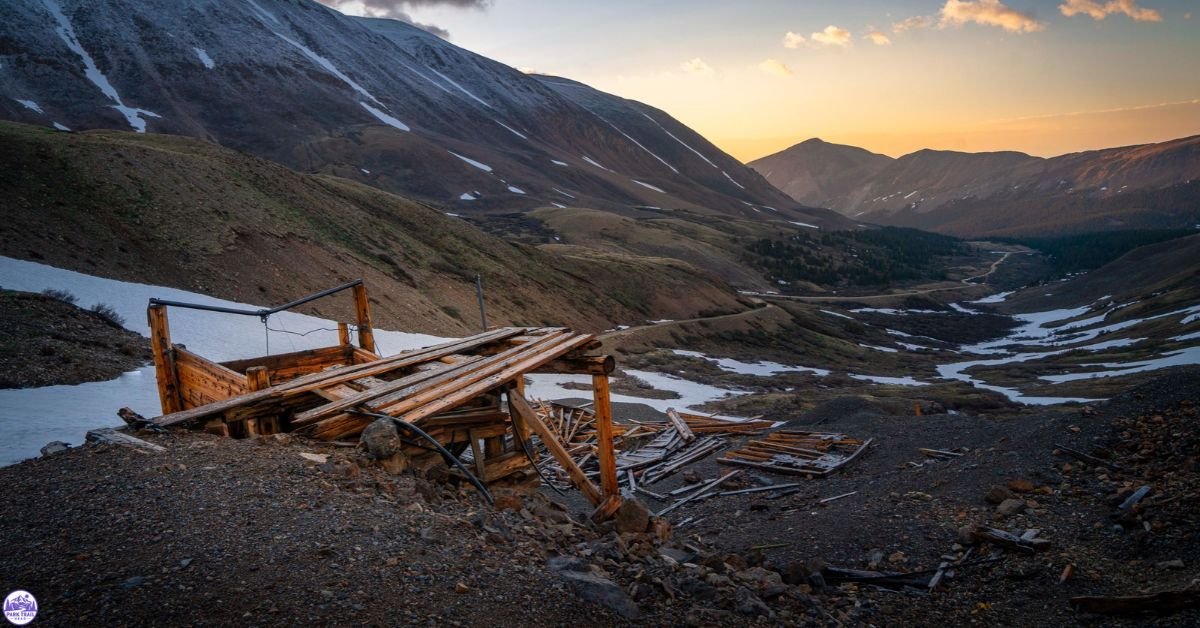
Cooke City, Montana, is a small mountain community that offers something many Yellowstone visitors overlook: easy access to the park’s quieter northeast corner. Located about four miles east of Yellowstone’s Northeast Entrance, this remote town makes an appealing base for exploring Lamar Valley, watching wildlife, and driving the scenic Beartooth Highway.
Unlike larger Yellowstone gateway towns, Cooke City has a quieter atmosphere, fewer commercial services, and a setting surrounded by rugged mountain scenery. You will find independent cabins, small lodges, local restaurants, and a handful of essential businesses rather than large hotels and familiar chain stores.
That location is especially useful for travelers who want to spend their mornings looking for wolves, bison, and grizzly bears in the northern range. However, Cooke City is not the most convenient base for visitors whose main priorities are Old Faithful, Grand Prismatic Spring, or Yellowstone’s southern attractions.
The town also changes considerably with the seasons. Summer brings access to the Beartooth Highway and most of Yellowstone’s road network, while winter travel depends largely on the road connecting Gardiner and Cooke City through Lamar Valley.
Here is what to know before choosing Cooke City for your Yellowstone vacation.
Before choosing a gateway town, it helps to decide which parts of the park you most want to experience. Our guide to the best Yellowstone Park activities covers the park’s major highlights and can help you plan a route around your priorities.
Quick Answer: What Is Cooke City, Montana, Known For?
Cooke City is a remote Montana mountain town located approximately four miles east of Yellowstone’s Northeast Entrance along US-212. It is particularly convenient for wildlife watching in Lamar Valley, hiking to Trout Lake, exploring the Beartooth Highway during its seasonal opening, and enjoying winter recreation. Its limited services and long driving times to Yellowstone’s southern attractions make it less suitable for first-time visitors planning to explore the entire park in a short trip.
Why Choose Cooke City for a Yellowstone Vacation?
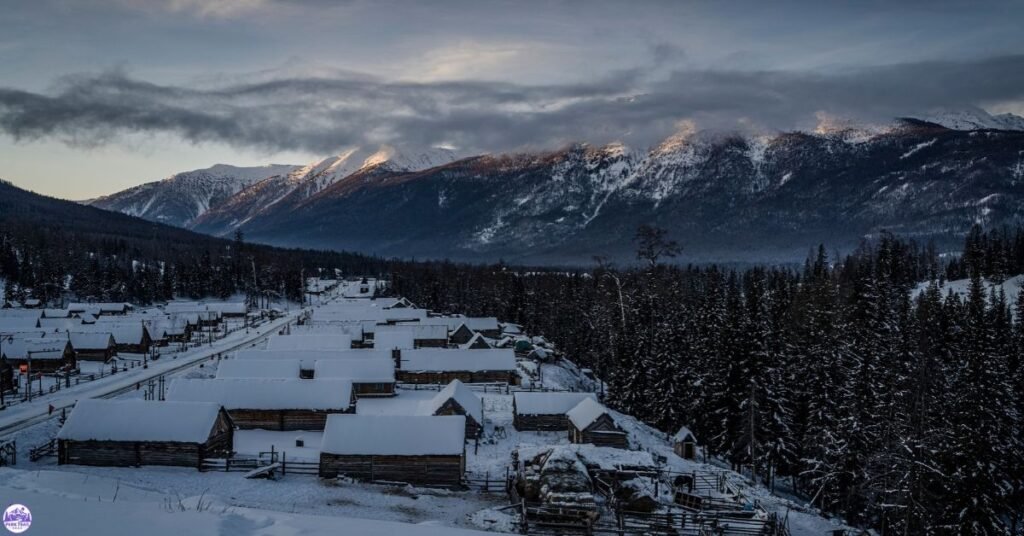
Cooke City offers a different experience from the more developed communities surrounding Yellowstone National Park.
While towns such as West Yellowstone and Gardiner provide more accommodation choices and visitor services, Cooke City appeals to travelers who prefer a smaller mountain community and want to spend more time exploring Yellowstone’s northern range.
Its location is the biggest advantage.
The Northeast Entrance provides direct access to Lamar Valley, an area known for its bison herds, wolves, elk, and grizzly bears. The National Park Service identifies this part of Yellowstone as one of the park’s important wildlife-viewing areas.
For wildlife photographers, that makes Cooke City a convenient place to stay. You can plan an early morning drive into the park without starting your day from one of the more distant gateway communities.
The surrounding landscape is another reason to visit. Mountains, forested slopes, winding highways, and seasonal snow create a setting that feels quite different from Yellowstone’s famous geothermal areas.
However, the remote location comes with trade-offs.
Shopping and dining choices are limited compared with larger gateway towns. Mobile coverage is also unreliable across much of Yellowstone, and visitors should not assume that restaurants, stores, or other services will operate on the same schedule throughout the year.
Before arriving, download offline maps, check local business hours, and organize your essential supplies.
If your vacation revolves around northern Yellowstone and mountain scenery, Cooke City is worth considering. If you want to visit several distant attractions every day, another base may save you considerable driving time.
Understanding Cooke City Entrance and Road Conditions
One of the most important things to understand before visiting Cooke City is how Yellowstone’s road system changes between summer and winter.
The Northeast Entrance is unusual because the road connecting it to the North Entrance near Gardiner generally remains open to regular vehicles throughout the year, weather permitting.
This provides winter access to Cooke City even after most of Yellowstone’s other roads close.
However, the Beartooth Highway and parts of the Chief Joseph Scenic Byway follow different seasonal schedules.
| Road or route | Summer access | Winter access |
| Northeast Entrance to North Entrance through Lamar Valley | Open to regular vehicles | Generally open year-round, weather permitting |
| Beartooth Highway (US-212) | Seasonally open, generally late May to mid-October | Closed to regular vehicles |
| Chief Joseph Scenic Byway (WY-296) | Seasonal wheeled-vehicle access near Cooke City | The nine-mile Cooke City-to-Pilot Creek section closes to regular vehicles |
| Other interior Yellowstone roads | Open according to seasonal schedules | Generally closed to regular vehicles; limited oversnow travel is available |
The exact opening and closing dates can change with snow, weather, and maintenance work. Always check the official Yellowstone Park Roads page before planning your route.
Driving to Cooke City in Summer
During summer, Cooke City is an attractive stop on a scenic road trip through Montana and Wyoming.
Travelers approaching from Red Lodge can follow US-212 over the Beartooth Highway before reaching the Northeast Entrance. Those traveling from Cody can approach through the Chief Joseph Scenic Byway when the relevant roads are open.
Once inside Yellowstone, the road through Lamar Valley connects the Northeast Entrance with the northern part of the park.
This makes it possible to explore places such as Tower-Roosevelt and Mammoth Hot Springs before continuing farther into the park.
Keep in mind that Yellowstone driving times are often longer than expected. The park’s general speed limit is 45 mph unless a different limit is posted, and wildlife sightings, road construction, and changing weather can slow traffic considerably.
Reaching Cooke City in Winter
Winter travel requires more planning.
According to the National Park Service, the road connecting Gardiner’s North Entrance with Cooke City’s Northeast Entrance is the only Yellowstone road generally open to regular vehicles throughout the year, weather permitting.
Most other park roads close to ordinary car traffic before the winter oversnow season begins.
The Beartooth Highway also closes to regular vehicles, and the section of the Chief Joseph Scenic Byway between Cooke City and Pilot Creek is closed to wheeled vehicles during winter.
As a result, drivers heading to Cooke City in winter should plan to approach through Gardiner and northern Yellowstone rather than relying on the usual summer routes.
For the 2026–2027 winter season, the National Park Service lists December 15, 2026, as the projected start of oversnow travel on several interior park roads. Snowcoach and snowmobile access follows separate operating rules.
Check the NPS winter operating schedule and current road conditions before leaving.
Driving the Beartooth Highway to Cooke City
The Beartooth Highway is one of the biggest reasons to include Cooke City in a Montana road trip.
This scenic section of US-212 connects Red Lodge, Montana, with Yellowstone’s Northeast Entrance. The full highway crossing covers approximately 68.7 miles and climbs to an elevation of about 10,970 feet on the Beartooth Plateau.
The drive passes alpine lakes, rugged mountain scenery, open landscapes, and several viewpoints where travelers can stop for photographs.
Although the road may look straightforward on a map, it deserves more time than a typical highway journey.
The steep grades, winding sections, changing weather, and numerous scenic stops can turn the crossing into a substantial part of your day.
Allow plenty of time rather than trying to rush from Red Lodge to Cooke City.
When Is the Best Time to Drive?
The Beartooth Highway usually opens around Memorial Day weekend and remains open until approximately mid-October, although actual dates depend on weather conditions.
The National Park Service’s projected 2027 schedule lists May 28 through October 11 for the highway. These are planning dates, not a guarantee that every section will remain open throughout that period.
Even during summer, mountain weather can change quickly. Snow, strong winds, thunderstorms, and poor visibility are possible at high elevations.
Before leaving Red Lodge, check the weather forecast and road conditions. It is also sensible to start earlier in the day so you have enough time for scenic stops without rushing.
Fuel and Road Trip Preparation
Do not treat Cooke City as a full-service shopping destination.
Although there are local businesses and fuel options, services are much more limited than in larger towns. Check fuel availability and business hours rather than assuming everything will be open when you arrive.
Travelers coming from Red Lodge or Cody should consider filling their tanks before entering the mountain-road sections.
Keeping drinking water, snacks, warm clothing, and an offline map in your vehicle is also helpful.
For road information, consult Montana 511 and the Wyoming road conditions website.
Best Things to Do in Cooke City and the Northeast Corner of Yellowstone
You do not need to drive across the entire national park to enjoy a worthwhile stay in Cooke City.
The surrounding area offers several experiences that fit naturally into a two- or three-day visit. Wildlife watching, short hikes, scenic drives, and fishing are among the best ways to explore this part of Yellowstone.
1. Watch Wildlife in Lamar Valley
Lamar Valley is one of Yellowstone’s best-known wildlife-viewing areas and a major reason travelers choose Cooke City.
The wide valley provides habitat for bison and elk, which also attract predators such as wolves and grizzly bears.
Early morning and evening are especially useful times for wildlife watching. Wolves are often more active around dawn and dusk, although sightings are never guaranteed.
A relaxed drive through the valley is usually better than rushing between viewpoints.
Look for designated roadside pullouts and watch for groups of visitors using binoculars or spotting scopes. Experienced wildlife watchers sometimes share information about animals they have spotted, but sightings can change quickly.
Bring binoculars or a camera with a suitable telephoto lens. You can enjoy wildlife without approaching animals or disturbing their natural behavior.
Remember the National Park Service distance rules: stay at least 100 yards from bears, wolves, and cougars, and at least 25 yards from other wildlife, including bison and elk.
For current wildlife information, visit the NPS Tower-Roosevelt and Northeast Yellowstone guide.
2. Hike the Trout Lake Trail
Trout Lake is an appealing hiking destination for visitors staying near Cooke City.
The trailhead is located along Yellowstone’s Northeast Entrance Road, approximately 1.5 miles south of the Pebble Creek Campground entrance area.
According to the National Park Service, the hike follows a 1.2-mile loop and climbs approximately 150 feet through a Douglas-fir forest before reaching the lake.
NPS classifies the hike as moderately easy and lists a typical duration of one to two hours.
The lake provides a peaceful setting for a short break, photography, and enjoying the surrounding mountain landscape.
Although the route is relatively short, do not treat it as a walk without preparation. Wildlife activity is possible in the area, so carry bear spray, stay alert, and check trail conditions before setting out.
Trout Lake is a particularly good option for travelers who want to add a short hike to a day already focused on wildlife watching.
You can find the official trail description and current information on the NPS Trout Lake Trail page.
3. Explore Soda Butte Creek and Nearby Fishing Areas
Soda Butte Creek follows part of the Northeast Entrance corridor and is an interesting place to appreciate Yellowstone’s river and mountain landscapes.
The creek and surrounding vegetation also provide habitat for wildlife, so visitors should remain alert when walking away from their vehicles.
Anglers may be interested in fishing opportunities around this part of the park. However, Yellowstone has detailed fishing regulations designed to protect native fish populations.
You must have the appropriate Yellowstone fishing permit, follow seasonal opening dates, and understand the rules that apply to the specific waterway.
For example, the 2026 Yellowstone fishing regulations identify special rules for the Lamar River drainage, including Soda Butte Creek. Certain nonnative trout must be kept rather than released.
Yellowstone also requires barbless hooks and restricts the use of lead fishing tackle.
Do not assume that fishing rules are identical across every river and lake. Read the current regulations before fishing.
The official 2026 Yellowstone Fishing Regulations include regional maps and species-specific rules.
4. Visit the Tower-Roosevelt Area
The Tower-Roosevelt area is another worthwhile addition to a Cooke City itinerary.
It offers access to several interesting natural and historical features along the northern park roads.
Tower Fall is one of the area’s recognizable attractions. The waterfall drops approximately 132 feet, and a nearby overlook provides a convenient place to appreciate the landscape.
Calcite Springs Overlook is another good stop, with views of the Yellowstone River, steep canyon walls, and surrounding geological features.
The area also has a connection to Yellowstone’s early history through the Lamar Buffalo Ranch and historic travel routes.
Check current road and facility operating schedules before including these stops in a winter itinerary.
Where to Stay in Cooke City: Hotels, Cabins, and Camping
Accommodation around Cooke City is generally smaller and more independent than what you will find in major Yellowstone gateway communities.
Travelers can look for local motels, mountain cabins, guest rooms, and seasonal lodging options in Cooke City and neighboring Silver Gate.
The best choice depends on how you plan to spend your time.
Cooke City Hotels and Cabins
Staying in town makes it easier to organize early morning wildlife drives and enjoy the nearby mountain scenery.
A cabin with a kitchenette can be useful for families and travelers who prefer preparing some of their own meals.
Restaurant schedules and available services may vary throughout the year, especially outside the main summer season.
For that reason, check opening dates, meal options, and check-in arrangements directly with your accommodation before booking.
Summer visitors should make reservations early because the number of lodging options is limited compared with larger gateway towns.
Camping Inside Yellowstone National Park
Camping can be a good option for visitors who want to spend more time outdoors.
However, there is an important detail that should not be overlooked.
Pebble Creek Campground is closed until further notice. The National Park Service reports that the campground was significantly affected by the 2022 floods and remains closed for recovery work.
Slough Creek Campground is another option in the northeast area, although it operates seasonally. The NPS currently lists June 15 through October 11 as its projected 2027 operating period.
Reservations for Yellowstone campgrounds should be arranged through the official system. Beginning with the 2027 summer camping season, the NPS lists Recreation.gov as the booking platform for all campground reservations.
Check the official Yellowstone camping page for current openings, fees, and reservation information.
Camping in the Custer Gallatin National Forest
There are also camping opportunities in the surrounding national forest areas.
However, campground availability, seasonal closures, vehicle access, and camping restrictions vary by location.
Before choosing a site, consult the Custer Gallatin National Forest’s official information and current Motor Vehicle Use Maps.
Do not assume that an empty roadside pullout or an informal parking area is a legal overnight campsite.
Also remember that Cooke City is in bear country. Follow posted food-storage requirements and use designated bear-resistant storage facilities when provided.
A Realistic Two-to-Three-Day Cooke City Itinerary
A short stay in Cooke City works best when you concentrate on the northern part of Yellowstone rather than trying to cover the entire park.
Here is one practical way to organize your visit.
Day 1: Arrive Over the Beartooth Highway
During the highway’s seasonal opening, begin your journey in Red Lodge and follow US-212 toward Cooke City.
Allow plenty of time for mountain viewpoints, photographs, and changing weather conditions.
After reaching town, check into your accommodation and organize food, water, and any supplies you need for the following morning.
Spend the evening exploring the local community or enjoying the scenery around Silver Gate.
For winter travel, replace the Beartooth crossing with the Gardiner-to-Cooke City route through northern Yellowstone.
Day 2: Lamar Valley Wildlife and Trout Lake
Plan an early start and drive west through the Northeast Entrance toward Lamar Valley.
Give yourself time to stop at designated pullouts, scan open meadows, and look for wildlife.
After your morning wildlife drive, consider visiting Trout Lake for a short hike.
The 1.2-mile loop provides a good opportunity to stretch your legs without committing to a full-day backcountry excursion.
Return to Cooke City for lunch and a quieter afternoon.
Depending on the season and weather, you can spend the remaining daylight exploring nearby roads or enjoying another wildlife drive.
Day 3: Choose a Scenic Drive or More Time in Yellowstone
For a summer visit, consider continuing your road trip toward the Chief Joseph Scenic Byway and Cody, Wyoming, when the roads are open.
The route offers another opportunity to experience the mountain landscapes around the Yellowstone region.
Alternatively, spend more time exploring the northern range, visiting Tower Fall, or enjoying additional wildlife-viewing stops.
Winter visitors should plan around available snowshoeing and guided snowmobile opportunities, rather than assuming the summer driving routes will remain open.
Always verify access, weather, and activity restrictions before setting out.
Safety, Wildlife, and Essential Travel Preparation
Cooke City is surrounded by beautiful mountain scenery, but visitors should remember that this is a remote environment with unpredictable wildlife and weather.
A little preparation can make a significant difference.
Follow Yellowstone’s Wildlife Distance Rules
Never approach wildlife for a photograph or attempt to get closer for a better view.
The National Park Service requires visitors to stay at least:
- 100 yards from bears, wolves, and cougars.
- 25 yards from other animals, including bison, elk, and moose.
Use designated pullouts for roadside wildlife watching. Do not block traffic or leave your vehicle to approach animals.
Carry bear spray in an accessible location when hiking and learn how to use it before entering bear country.
Prepare for Changing Mountain Weather
Weather conditions around Cooke City and the Beartooth Plateau can change quickly.
A sunny morning does not guarantee comfortable conditions throughout the day.
Pack a combination of lightweight clothing and warmer layers, along with a waterproof outer layer. Even summer visitors should be prepared for colder temperatures at higher elevations.
Winter travelers should take additional precautions, including suitable tires, emergency supplies, warm clothing, and a reliable winter-driving plan.
Plan for Limited Mobile Coverage
Do not depend entirely on mobile internet or navigation apps.
The National Park Service reports that cell coverage in Yellowstone is extremely limited and is concentrated around certain developed areas.
Much of the northern range and other remote areas have little or no dependable service.
Download offline maps before your journey and consider carrying a physical map.
Keep your vehicle supplied with drinking water, snacks, and basic emergency equipment.
Before leaving, check official road conditions and weather updates.
Who Should Skip Cooke City?
Cooke City is not the ideal base for every Yellowstone vacation.
If your main goal is to explore Old Faithful, Grand Prismatic Spring, the southern geyser basins, and other central or southern attractions, staying closer to those areas may save you considerable time.
The drive from Cooke City to Old Faithful involves several long sections of Yellowstone’s road network.
Based on the National Park Service’s published average drive times for individual park road segments, the journey from the Northeast Entrance to Old Faithful can take roughly three and a half hours before additional wildlife, construction, or weather delays.
That makes a round trip an especially long driving day.
Cooke City may also be less suitable for visitors who need dependable mobile connectivity, extensive shopping facilities, or a large choice of restaurants.
Travelers who prefer a more developed tourist community may find Gardiner or West Yellowstone more convenient.
On the other hand, people whose priorities include wildlife photography, the northern range, mountain scenery, and winter recreation may find Cooke City an excellent choice.
Frequently Asked Questions About Cooke City, Montana
Is the Cooke City entrance to Yellowstone open all year?
The Northeast Entrance is accessible year-round through northern Yellowstone via Gardiner, weather permitting.
The road between the North Entrance and Northeast Entrance generally remains open to regular vehicles throughout winter.
However, the Beartooth Highway and other surrounding mountain routes close seasonally. Temporary weather-related road closures are also possible.
How far is Cooke City from Old Faithful?
Cooke City is several hours of driving from Old Faithful.
Using published NPS average times for the park’s road segments, the drive from the Northeast Entrance to Old Faithful is approximately three and a half hours in normal summer conditions, before additional delays.
The actual journey depends on road conditions, construction, wildlife traffic, and the route available during your visit.
For most visitors, it is more practical to explore Old Faithful from a separate base closer to Yellowstone’s central or western areas.
Do I need a reservation to enter Yellowstone at Cooke City?
No. The National Park Service does not currently require a vehicle reservation to enter Yellowstone.
However, visitors must have a valid park entrance pass.
Campgrounds, accommodation, and certain guided recreational activities have separate reservation or permit requirements.
As of November 2026, the NPS also lists an additional $100 per-person fee for non-US residents aged 16 and older, unless they qualify for admission using an applicable Annual or America the Beautiful pass. Check the official fees page for the current rules before visiting.
Is there gas in Cooke City, Montana?
Cooke City has local fuel options, but services are limited compared with larger towns.
It is sensible to check fuel availability and business hours before arriving, particularly during winter or shoulder seasons.
Travelers should avoid relying on the next town being immediately accessible when driving through mountain areas.
Is there cell service in Cooke City and Lamar Valley?
Mobile coverage is limited throughout much of Yellowstone.
Some developed locations have service, but remote areas, including much of Lamar Valley, should not be treated as dependable mobile coverage zones.
Download maps and important travel information before entering the park.
Is Cooke City a good place to stay in winter?
Cooke City can be an appealing winter destination for travelers interested in snow-covered mountain scenery and winter recreation.
The northern Yellowstone road corridor generally remains accessible to regular vehicles from Gardiner, weather permitting.
However, many park facilities and roads have seasonal restrictions, while services in town may operate on reduced schedules.
Check road conditions, lodging availability, and activity arrangements before booking.
Final Thoughts: Is Cooke City Worth Visiting?
Cooke City, Montana, offers a different way to experience Yellowstone National Park.
Its remote setting, access to Lamar Valley, proximity to the Northeast Entrance, and connection to the Beartooth Highway make it especially appealing to visitors who enjoy wildlife, mountain scenery, and quieter surroundings.
It is not the most convenient base for seeing every major Yellowstone attraction, and limited services require a little extra planning.
For a trip focused on the northern range, however, spending two or three nights in Cooke City can be a worthwhile part of a Yellowstone vacation.
Plan your route around seasonal road conditions, book accommodation ahead of time, prepare for wildlife encounters, and give yourself enough time to enjoy the drive rather than rushing from one attraction to the next.
Author Bio
Awais is the Founder and Editorial Director of ParkTrailsGuide. Working with a network of outdoor contributors and current park data, he creates deeply researched survival guides, packing frameworks, and safety blueprints for U.S. national parks. His mission is to turn complex official National Park Service data into clear, actionable travel resources.
1 thought on “Cooke City, Montana: A Practical Guide to Yellowstone’s Northeast Entrance”