
Driving from Bozeman to Yellowstone National Park is a straightforward road trip, but the entrance you choose can make a big difference to your itinerary. The West Entrance near West Yellowstone provides convenient access to famous geysers and thermal features, while the North Entrance near Gardiner is a better starting point for exploring Mammoth Hot Springs and the park’s northern wildlife areas.
Both routes offer beautiful Montana scenery. However, they follow different highways, pass through different gateway communities, and have different seasonal access rules.
Travelers flying into Bozeman Yellowstone International Airport (BZN) can choose between two main approaches:
- West Entrance: Take US-191 South through Gallatin Canyon to West Yellowstone.
- North Entrance: Take I-90 East toward Livingston, then follow US-89 South through Paradise Valley to Gardiner.
This guide compares both routes, explains which entrance makes sense for different seasons, and covers the practical details that can help you plan your drive.
Before choosing an entrance, it also helps to decide what you want to see inside the park. Our guide to the best Yellowstone park activities covers the main geyser basins, waterfalls, wildlife-viewing areas, and scenic stops, helping you match your route with the experiences you do not want to miss.
Quick Answer: How Do You Get from Bozeman to Yellowstone?
The drive from Bozeman to Yellowstone generally takes around 1.5 to 2 hours, depending on your destination, traffic, weather, and road conditions.
Choose the West Entrance through US-191 if you want to visit Old Faithful, Grand Prismatic Spring, and other geyser areas during the regular vehicle season.
Choose the North Entrance through US-89 if you want to explore Mammoth Hot Springs, Tower-Roosevelt, and Lamar Valley. It is also the only entrance that provides year-round access for regular vehicles, weather permitting.
One important seasonal detail: As of November 16, 2026, the West Entrance is closed to regular vehicles for winter. The National Park Service currently projects April 16, 2027, as the reopening date for the West Entrance road to Madison.
Bozeman to Yellowstone: West vs. North Entrance Compared
The best route depends on where you want to spend most of your time in the park.
| Feature | West Entrance | North Entrance |
| Main highway | US-191 South | I-90 East and US-89 South |
| Gateway town | West Yellowstone | Gardiner |
| Approximate distance from BZN | 90 miles | 83 miles |
| Typical driving time | Around 1 hour 45 minutes to 2 hours | Around 1 hour 30 minutes to 1 hour 45 minutes |
| Road character | Winding mountain canyon | Interstate followed by a scenic valley highway |
| Best attractions | Grand Prismatic Spring, Old Faithful, geyser basins | Mammoth Hot Springs, Lamar Valley, Tower-Roosevelt |
| Regular vehicle access | Seasonal | Year-round, weather permitting |
| Best for | First-time summer visitors and geyser sightseeing | Wildlife viewing and winter access |
Distances and driving times are estimates. The exact starting point, road conditions, construction, and stops can change the journey. Check current directions before departure.
The West Yellowstone route is particularly convenient for visitors who want to see Yellowstone’s famous geothermal attractions. The Gardiner route is more suitable for northern sightseeing and winter road access.
Driving from Bozeman to Yellowstone Through US-191 South (West Entrance)
The West Entrance route begins by heading south from the Bozeman area on US-191. This highway passes through Gallatin Canyon, follows the Gallatin River, and continues toward Big Sky before reaching West Yellowstone.
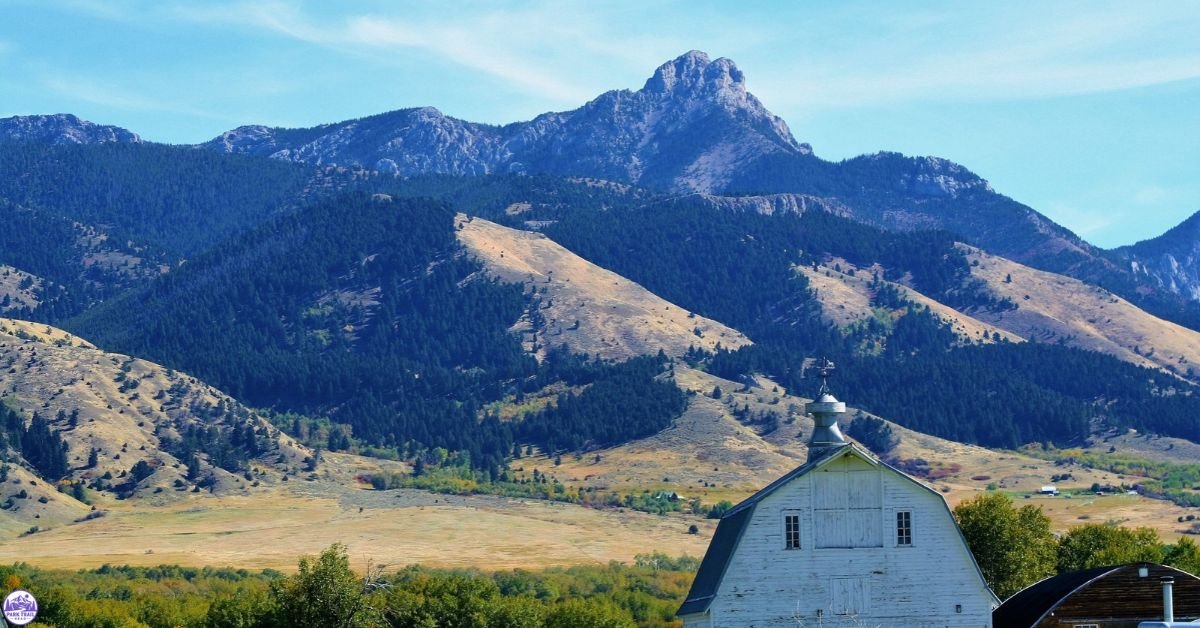
The drive is known for its mountain scenery. Along the way, you’ll see forested slopes, rocky canyon walls, river views, and mountain landscapes.
Unlike an interstate highway, US-191 has winding sections and stretches where passing opportunities are limited. Drivers should maintain a steady speed, watch for changing weather, and avoid stopping outside designated pullouts.
What to Expect Along US-191
One of the most recognizable sections of this drive is Gallatin Canyon. The highway follows the river through a narrow valley, with mountain slopes rising on either side.
Big Sky is a useful place to stop for a meal, groceries, coffee, or fuel before continuing south. It is also a good opportunity to take a break before completing the final stretch toward West Yellowstone.
Once you reach West Yellowstone, the park entrance is close to town. After entering Yellowstone, the West Entrance Road leads toward Madison Junction.
From Madison Junction, the road south provides access to the park’s well-known thermal attractions.
According to the National Park Service, typical driving times include:
- West Entrance to Madison Junction: approximately 30 minutes.
- Madison Junction to Old Faithful: approximately 35–45 minutes.
These are driving estimates, not guaranteed arrival times. Traffic, wildlife, construction, and stops can add time.
Best Attractions Near the West Entrance
Grand Prismatic Spring: Located in Midway Geyser Basin, Grand Prismatic Spring is one of Yellowstone’s most recognizable thermal features. Its colorful water and surrounding steam make it a popular stop.
Old Faithful: This famous geyser is known for its predictable eruptions. Check the latest eruption predictions at the visitor center before planning your visit.
Upper Geyser Basin: The surrounding boardwalks lead past several geysers and hot springs. Allow enough time to explore instead of treating this area as a quick roadside stop.
Madison Junction: This junction connects the western entrance corridor with roads heading toward Norris and the southern geyser areas.
The West Entrance is usually the better choice when these attractions are the main reason for your visit.
Driving from Bozeman to Yellowstone Through US-89 South (North Entrance)
The North Entrance route follows a different landscape.
From Bozeman, take I-90 East toward Livingston. At Livingston, turn south onto US-89 and continue through Paradise Valley toward Gardiner.
This approach offers wide views of the Yellowstone River valley and the Absaroka Range. Compared with the winding sections of Gallatin Canyon, much of the Paradise Valley drive feels more open.
However, US-89 is still a highway where drivers need to watch for changing weather, wildlife, and traffic.
What to Expect Along Paradise Valley
Livingston is a convenient stopping point before heading south. The town has places to eat, fuel stations, shops, and services.
As you continue through Paradise Valley, the road follows the Yellowstone River toward Gardiner. The landscape becomes increasingly mountainous as you approach the park.
Gardiner sits directly outside Yellowstone’s North Entrance. The historic Roosevelt Arch is one of the town’s best-known landmarks and marks the entrance to the park.
After entering, the road climbs toward Mammoth Hot Springs. The National Park Service estimates approximately 15 minutes of driving from the North Entrance to Mammoth Hot Springs under normal conditions.
From Mammoth, you can continue toward Tower Junction and the northern wildlife corridor.
Best Attractions Near the North Entrance
Mammoth Hot Springs: This area features terraces formed by mineral-rich hot water. Boardwalks provide access to different viewing areas.
Tower-Roosevelt: This part of Yellowstone offers access to scenic landscapes, wildlife habitat, and northern park roads.
Lamar Valley: Often called one of Yellowstone’s best wildlife-viewing areas, Lamar Valley attracts visitors hoping to see bison, wolves, elk, and other wildlife. Early morning and evening are popular times for wildlife watching.
Roosevelt Arch: Located at the North Entrance in Gardiner, this historic stone arch is a familiar landmark for visitors arriving from Montana.
The North Entrance is particularly convenient when your main interests are wildlife, Mammoth Hot Springs, and the northern part of Yellowstone.
West Yellowstone vs. Gardiner: Where Should You Stay?
Choosing a gateway town is almost as important as choosing your driving route. Staying on the wrong side of the park can add considerable driving time to your sightseeing plans.
Staying in West Yellowstone
West Yellowstone is a popular base for visitors exploring the park’s western and southern attractions.
The town offers hotels, cabins, restaurants, grocery stores, fuel, and visitor services. Its location makes it convenient for reaching Madison Junction, Grand Prismatic Spring, and Old Faithful.
It is a practical choice for travelers who have a few days to explore Yellowstone’s geyser areas.
The main disadvantage is summer traffic. The West Entrance serves a particularly popular sightseeing corridor, so visitors should expect possible queues and delays during busy periods.
Staying in Gardiner
Gardiner offers a smaller gateway-town experience just outside the North Entrance.
It is a convenient base for exploring Mammoth Hot Springs, Tower-Roosevelt, and Lamar Valley. Visitors interested in wildlife photography may appreciate the shorter drive to northern viewing areas.
Accommodation choices are more limited than in larger gateway communities, so booking early is sensible during the busy summer season.
Gardiner is also the more practical choice for visitors who plan to enter Yellowstone by regular vehicle during winter.
Which Town Is Better?
Choose West Yellowstone if your itinerary focuses on Old Faithful, Grand Prismatic Spring, and the western geyser basins.
Choose Gardiner if you want to explore Mammoth Hot Springs, spend time in Lamar Valley, or visit during the winter vehicle-access season.
Before booking, compare the location of your accommodation with the attractions you actually plan to visit. Yellowstone is large, and driving between different regions of the park can take much longer than expected.
How Long Does the Drive from Bozeman to Yellowstone Really Take?
The drive from Bozeman to either gateway town can take around 1.5 to 2 hours in favorable conditions. However, reaching a park entrance is only the first part of the journey.
Once inside Yellowstone, you still have to travel between attractions.
For example, driving from the West Entrance to Old Faithful involves approximately 65–75 minutes of road travel under normal conditions, based on the National Park Service’s average segment estimates.
Wildlife crossings, road construction, weather, and busy parking areas can extend the journey.
Why You Should Allow Extra Time
There are several reasons your actual arrival time may be later than your navigation app predicts.
Traffic in Gallatin Canyon: US-191 is a winding two-lane highway. A slower vehicle, roadwork, or adverse weather can affect travel time.
Entrance station queues: Summer visitors can encounter lines at park entrances. Purchasing an entrance pass online may save transaction time, but it does not provide permission to bypass the vehicle line.
Wildlife traffic jams: Bison and other animals sometimes walk along or cross park roads. Drivers must wait until the animals move away safely.
Road construction: Yellowstone regularly carries out road and bridge improvements during the warmer months. Temporary delays and one-lane traffic can affect your schedule.
The National Park Service recommends checking its current road information before traveling because estimated drive times can increase significantly.
For busy summer days, arriving at a park entrance before 7 a.m. is a useful strategy. Starting from Bozeman means leaving particularly early if you want to reach the West Entrance during that period.
Best Stops Between Bozeman and Yellowstone
Both routes have opportunities to stop, enjoy the scenery, and take a break before entering the park.
The best stops depend on which highway you choose.
Stops Along US-191
Gallatin Canyon: Enjoy the mountain and river scenery from designated roadside pullouts. Avoid stopping on the travel lane or an unsafe shoulder.
Big Sky: A practical place to find restaurants, groceries, coffee, and other visitor services. It is also a convenient place to take a break before continuing toward West Yellowstone.
Gallatin River viewpoints: Several areas along the highway provide opportunities to view the river and surrounding mountains. Use designated turnouts when stopping for photographs.
Stops Along US-89
Livingston: This historic Montana town is a useful place to stop for food, fuel, and supplies before driving through Paradise Valley.
Paradise Valley: The valley provides scenic views of the Yellowstone River and surrounding mountain ranges. It is worth allowing a little extra time for the drive.
Yankee Jim Canyon: North of Gardiner, the Yellowstone River passes through a narrow canyon beside the highway. The area offers dramatic scenery, but drivers should only stop where it is safe and permitted.
Gardiner: Before entering the park, visitors can find local restaurants, accommodation, and visitor services in this gateway community.
A practical approach is to purchase essential supplies in Bozeman, Livingston, or Big Sky rather than relying on finding everything inside Yellowstone.
Yellowstone Road Closures and Seasonal Access (2026–2027)
Seasonal access is one of the most important differences between the West and North entrances.
Yellowstone sits at a high elevation, and winter weather affects road access throughout the park. Several entrances and interior roads close to regular vehicles every year.
According to the National Park Service, the West, South, and East entrances closed to regular vehicle traffic on November 1, 2026. October 31 was the final day visitors could drive most park roads during the 2026 regular vehicle season.
West Entrance: Seasonal Vehicle Access
The West Entrance is not available to regular vehicles during the winter closure period.
For 2027, the National Park Service currently lists these projected dates:
- April 16, 2027: West Entrance to Madison and several connected roads are scheduled to reopen.
- October 31, 2027: The projected end of the regular vehicle season for these roads.
These are projected dates and may change depending on snow, weather, and road conditions.
West Yellowstone itself remains accessible by road when Montana highways are open, but being able to reach the gateway town does not mean you can drive through the West Entrance into the park.
North Entrance: Year-Round Vehicle Access
The North Entrance at Gardiner is different.
The road connecting the North Entrance through Yellowstone to the Northeast Entrance near Cooke City is generally open to regular vehicles throughout the year, weather permitting.
This makes Gardiner the most practical gateway for visitors driving their own vehicles into Yellowstone during winter.
However, year-round access does not mean the entire park remains open to personal vehicles. The northern corridor is the exception, while most interior roads close to regular traffic.
Winter Snowcoach and Snowmobile Access
From mid-December through mid-March, several additional park roads generally open for authorized oversnow travel.
These routes are used by commercially guided snowmobiles and snowcoaches rather than ordinary passenger vehicles.
The 2026–2027 projected oversnow schedule begins December 15, 2026, with different routes scheduled to close between March 7 and March 15, 2027.
Check the official Yellowstone Park Roads page before making winter plans. Weather can change the schedule.
Yellowstone Entrance Fees and Reservations
Visitors driving from Bozeman should understand the park’s entrance requirements before reaching the gate.
Do You Need a Vehicle Reservation?
As of November 2026, Yellowstone does not require a separate vehicle reservation for general park entry.
You do need a valid entrance pass or an eligible interagency pass.
The National Park Service recommends purchasing your pass before arrival to help save time at the entrance station. You can also purchase one when you arrive.
Always check the latest Yellowstone entrance and fee information before your trip.
How Much Does Yellowstone Cost?
The current standard entrance fee for a private, non-commercial vehicle is $35. This pass covers the vehicle and its passengers for seven consecutive days.
There is also an important additional fee for international visitors.
Under the current NPS rules, non-US residents aged 16 and older must pay an additional $100 per person unless they enter using a qualifying Annual or America the Beautiful Pass.
This makes it especially important for international travelers to check the current pass rules before budgeting for their visit.
Parking and Roadside Stops
Parking can become challenging at popular attractions during the summer.
Grand Prismatic Spring, Old Faithful, and Mammoth Hot Springs are among the places where visitors should expect busy parking areas during peak hours.
Arriving early can make it easier to find a parking space and enjoy the attractions with fewer people around.
Always use designated parking areas. Parking on fragile roadside shoulders or blocking traffic to photograph wildlife creates safety risks and can damage park resources.
If you are planning an overnight backcountry trip rather than a regular day visit, remember that Yellowstone requires a backcountry permit for overnight stays.
Wildlife and Road Safety on the Drive to Yellowstone
The journey from Bozeman to Yellowstone passes through areas where wildlife may cross highways. This is especially important around dawn, dusk, and during changing weather conditions.
On both US-191 and US-89, reduce your speed when visibility is limited and watch for animals near the road.
Inside Yellowstone, wildlife can appear almost anywhere. Bison may walk along roadways, cross in front of vehicles, or create traffic backups.
Never approach an animal or leave your vehicle to get closer to wildlife during a traffic jam.
Follow Yellowstone’s Wildlife Distance Rules
The National Park Service requires visitors to maintain these minimum distances:
| Wildlife | Minimum Distance |
| Bears, wolves, and cougars | 100 yards (91 meters) |
| Bison, elk, and other wildlife | 25 yards (23 meters) |
Use binoculars or a camera with a suitable zoom lens instead of approaching animals.
Carry Bear Spray
Yellowstone is bear country. Carry bear spray when exploring trails and other outdoor areas, keep it accessible, and learn how to use it before you need it.
Store food and coolers securely, and follow all park regulations.
For additional information, read the official Yellowstone Safety Guide.
A Practical One-Day Trip from Bozeman to Yellowstone
A day trip from Bozeman is possible, but Yellowstone is too large to explore properly in a few hours.
The best strategy is to choose one region of the park rather than trying to visit every major attraction.
Option 1: West Entrance and the Geyser Areas
This itinerary is best during the regular vehicle season.
Early morning: Leave Bozeman early and drive south on US-191 toward West Yellowstone.
Morning: Enter through the West Entrance and continue toward Midway Geyser Basin to see Grand Prismatic Spring.
Late morning: Drive toward Old Faithful and explore the surrounding boardwalks at Upper Geyser Basin. Check predicted eruption times before deciding how long to stay.
Afternoon: Have lunch, visit another nearby geothermal attraction if time permits, and begin the return journey through the West Entrance.
This plan keeps your sightseeing focused on the western side of the park and avoids a long cross-park drive.
Option 2: North Entrance and Lamar Valley
This is a better choice for wildlife enthusiasts.
Early morning: Drive from Bozeman through Livingston and Paradise Valley to Gardiner.
Morning: Enter through the North Entrance and visit Mammoth Hot Springs.
Late morning or afternoon: Continue toward Tower-Roosevelt and Lamar Valley, allowing time to stop at designated wildlife-viewing areas.
Evening: Return through the North Entrance and follow US-89 and I-90 back toward Bozeman.
Wildlife sightings are never guaranteed, so keep your schedule flexible.
Is One Day Enough?
A single day can introduce you to one region of Yellowstone, but it is not enough to experience the entire park comfortably.
If you have more time, staying in West Yellowstone or Gardiner for at least one night can reduce driving pressure and give you more time to explore.
Frequently Asked Questions
Which entrance is better for first-time Yellowstone visitors?
For visitors traveling during the regular vehicle season, the West Entrance is often the more convenient choice if Old Faithful and Grand Prismatic Spring are priorities.
The North Entrance is a better starting point for Mammoth Hot Springs, Lamar Valley, and northern wildlife viewing.
Your choice should depend on the places you actually plan to visit, rather than assuming one entrance is best for everyone.
Can you drive from Bozeman to Yellowstone in winter?
Yes, but your entrance choice matters.
The North Entrance at Gardiner is the only entrance that generally provides year-round access for regular vehicles. The West Entrance closes to regular vehicles during the winter season.
Most interior park roads are closed to ordinary vehicles in winter. Commercial snowcoach and snowmobile travel provides access to designated winter routes.
Is there a shuttle from Bozeman to Yellowstone?
Yes. The National Park Service lists bus service between Bozeman and West Yellowstone via US-191 throughout the year. Commercial transportation between Bozeman and Gardiner is also available during winter and summer seasons.
However, public transportation is not available inside Yellowstone itself. Several companies offer private shuttles and guided tours.
Check the latest schedules and availability with individual operators before relying on public or commercial transportation.
Is the North Entrance open all year?
The North Entrance near Gardiner is generally open year-round to regular vehicles, weather permitting.
The road continues through the northern part of Yellowstone toward the Northeast Entrance and Cooke City.
Temporary weather-related closures can still occur, so check the current road status before leaving Bozeman.
Do you need a reservation to enter Yellowstone in 2026?
No separate vehicle reservation is required for general Yellowstone entry as of November 2026. Visitors still need a valid entrance pass.
The park’s reservation rules can change, so verify the latest details through the official NPS website before traveling.
Can you visit Old Faithful from the North Entrance?
Yes, during the regular vehicle season, when the connecting interior roads are open.
However, it is a longer drive than entering through West Yellowstone. During winter, regular vehicles cannot use most interior roads to reach Old Faithful.
Final Thoughts: Which Bozeman to Yellowstone Route Should You Choose?
Choosing between the West and North entrances becomes easier when you plan around your main attractions and travel dates.
The West Entrance through US-191 is the better choice for visitors who want convenient access to Old Faithful, Grand Prismatic Spring, and the western geyser basins during the regular vehicle season.
The North Entrance through US-89 is a strong choice for visitors interested in Mammoth Hot Springs, Lamar Valley, and Yellowstone’s northern landscapes. It is also the practical option for regular-vehicle access during winter.
Before leaving Bozeman, check the latest National Park Service road information, Montana highway conditions, and entrance fees. A little planning can prevent unnecessary driving, help you avoid seasonal access problems, and leave more time to enjoy Yellowstone.
Author Bio
Awais is the Founder and Editorial Director of ParkTrailsGuide. Working with a network of outdoor contributors and current park data, he creates deeply researched survival guides, packing frameworks, and safety blueprints for U.S. national parks. His mission is to turn complex official National Park Service data into clear, actionable travel resources.
1 thought on “Bozeman to Yellowstone: Choosing the Right Entrance”