

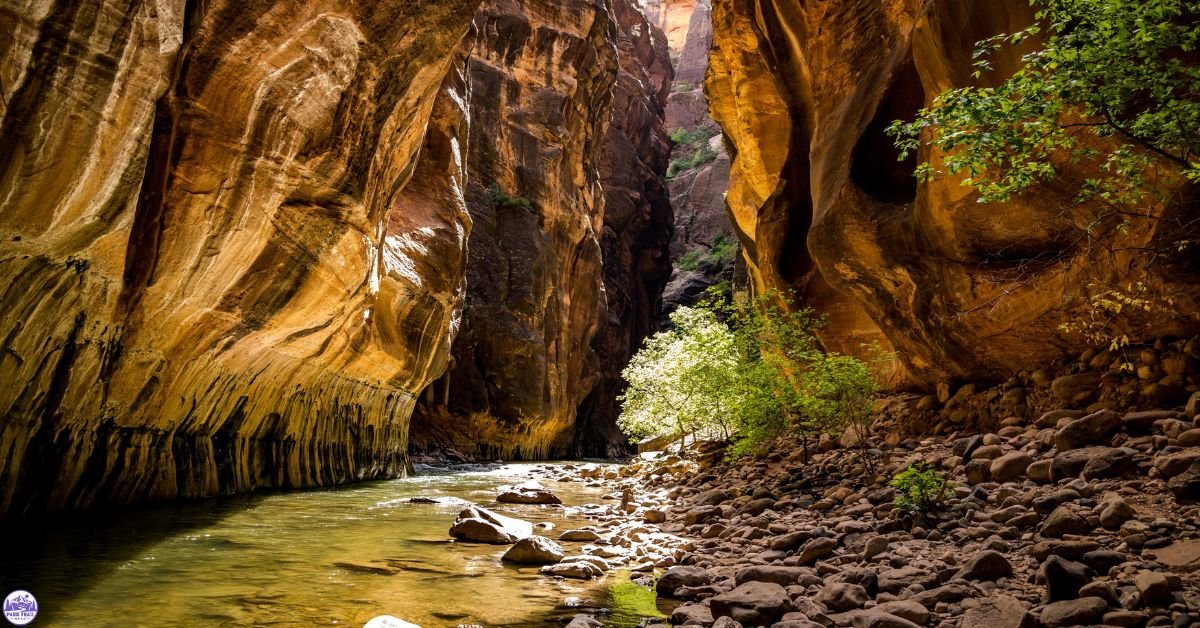
When you step into The Narrows, the Virgin River sets the rules-not your itinerary. Water flow rates, sudden storm forecasts, and chilly temperatures dictate whether you can hike, how far you’ll make it, and what gear you need to wear. Since roughly 60% of this famous route requires wading, sloshing, or even swimming, checking conditions beforehand is the difference between an unforgettable adventure and a dangerous situation.
Planning the rest of your trip, too? Our guide to the best things to do in Zion National Park covers other hikes, scenic stops, shuttle logistics, and ways to build a practical park itinerary.
Quick Answer: Yes, hiking The Narrows is absolutely worth it when river conditions permit. The popular bottom-up route requires no permit, takes anywhere from 1 to 8 hours, and begins at Zion’s Shuttle Stop 9. Late summer and early autumn offer the warmest water, though flash flood risks peak during summer monsoons. Always check real-time flow rates and weather warnings before heading out.
Is Hiking The Narrows Worth It?
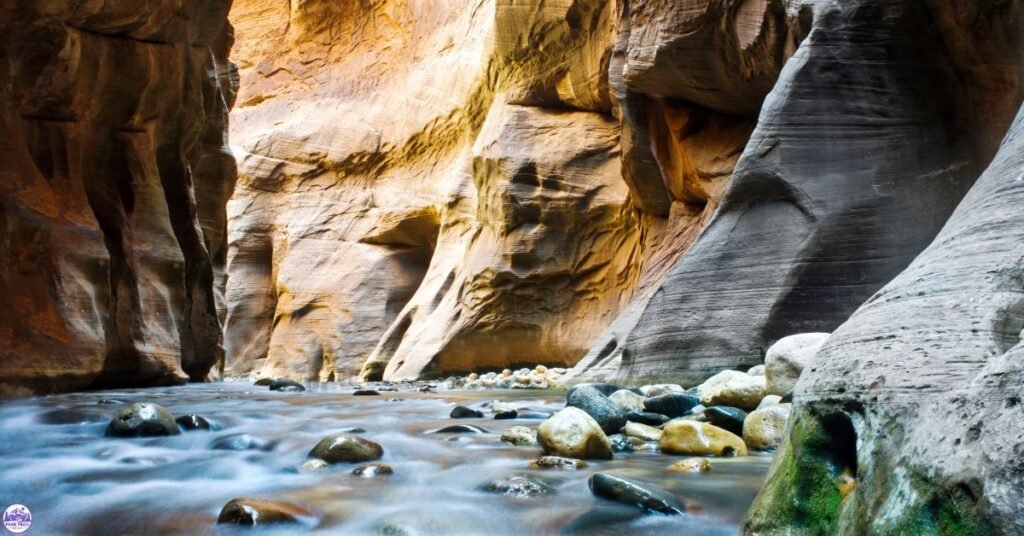
For most active visitors, 100% yes. Towering canyon walls reach up to 1,000 feet overhead while the river narrows to just 20 or 30 feet wide in the most dramatic stretches. Unlike traditional trail hikes, there isn’t a single summit or lookout point to chase—the journey through the canyon gorge itself is the entire attraction. You can hike as far as you like, turn around at any point, and still have a spectacular day.
Crowd Factor, Safety & Mobility
- Crowd Factor: Because the bottom-up route doesn’t restrict entries via permits, it gets extremely busy. Catching the first morning shuttle guarantees a peaceful experience, whereas starting near midday means waiting in line at tricky river crossings.
- Safety & Mobility: The National Park Service (NPS) explicitly advises against this hike for anyone with poor balance, as stepping across slippery, submerged boulders requires steady footwork.
- Pets: Dogs are strictly not permitted on this route.
Before packing your bags, take a quick look at the official NPS Narrows Overview for live park updates.
How the Bottom-Up Route Works
The bottom-up trail officially starts at the Temple of Sinawava (Shuttle Stop 9). Your journey begins with a flat, paved 1-mile walk along the Riverside Walk. Once the pavement terminates at the riverbank, you step directly into the Virgin River—and the true Narrows experience begins.
You can wade upstream as far as Big Spring, making for a 9.4-mile round-trip journey with roughly 334 feet of elevation gain. The NPS estimates completion times between 1 and 8 hours depending on your turnaround point.
Key Turnaround Points Along the River
| Turnaround Point | Round-Trip Distance | Terrain / Effort | Recommended For |
| End of Riverside Walk | ~2 miles | Flat, paved sidewalk | Families, strollers, quick visits |
| Orderville Canyon Junction | ~5 miles | River wading, slick boulders | Half-day hikers looking for highlights |
| Big Spring | 9.4 miles | Deep wading, heavy current | Experienced hikers with a full day |
Note on Orderville Canyon: Located about two miles upstream, this picturesque side canyon is a popular turning point. From the bottom up, you can explore the first quarter-mile without extra paperwork. Advancing any further requires a technical canyoneering permit.
Facility Tip: The trailhead at Shuttle Stop 9 provides restrooms and a water fill station. However, there are no bathrooms along the river route. Always pack human waste disposal bags (WAG bags) to leave no trace.
Do You Need a Permit for The Narrows?
No permit is required for the classic bottom-up route starting from the Temple of Sinawava up to Big Spring.
However, other ways to experience the canyon do require permits:
- Top-Down Through-Hike (16 Miles): Starting at Chamberlain’s Ranch and hiking down to Sinawava requires a Zion Wilderness Permit.
- Orderville Canyon Exploration: Exploring past the first 0.25 miles of Orderville Canyon requires a technical canyoneering permit.
Even though you don’t need a hiking permit for the bottom-up route, standard park entrance fees still apply, and river closures are strictly enforced.
Reaching Shuttle Stop 9 (Temple of Sinawava)
During shuttle season, vehicles aren’t allowed on Zion Canyon Scenic Drive, making the park shuttle your only ride to the trailhead.
- Boarding: Catch the shuttle at the Zion Canyon Visitor Center.
- Transit Time: The ride to Shuttle Stop 9 takes approximately 45 minutes one-way.
- Seasonal Hours: Shuttle schedules change throughout the year. For instance, autumn schedules often run from 7:00 AM to 5:00 PM for northbound departures, with the final bus leaving Stop 9 around 6:15 PM.
Always cross-check timing on the official Zion Canyon Shuttle System Guide so you don’t miss the last bus back.
Checking River Flow Rates Before You Hike
The Virgin River’s current is measured in cubic feet per second (CFS). Flow levels directly determine how physical the hike will be:
| Water Flow (CFS) | What to Expect | Trail Status |
| Under 70 CFS | Ankle to knee-deep water. Current is manageable for most hikers. | OPEN |
| 70 to 150 CFS | Thigh to chest-deep water. Stronger current, much more tiring. | OPEN |
| Over 150 CFS | Swift, deep, and dangerous water. High risk of getting swept away. | CLOSED |
The NPS automatically closes The Narrows when flow rates exceed 150 CFS, or whenever a Flash Flood Warning is issued by the National Weather Service (remaining closed for at least 2 hours after warnings lift).
Flash Flood Safety: Warning Signs
A flash flood in a narrow slot canyon is a life-threatening event. Rain falling miles upstream can send a wall of water up to 12 feet high surging down the canyon in a matter of seconds.
Before hiking, consult the National Weather Service Flash Flood Rating System (ranging from Not Expected to Expected). If the forecast indicates Possible or higher, pick a dry land route instead.
Warning Signs to Watch For:
- Deteriorating weather or building storm clouds overhead
- Sudden acoustic changes, like a roaring sound upstream
- River water turning muddy or murky
- Sudden increase in floating debris and logs
Best Time of Year to Hike
- Summer: Offers warmer water and air temperatures, but aligns with monsoon season (July through September), raising flash flood risks.
- Fall: Considered the sweet spot by experienced hikers. Weather stabilizes, flood risks drop, and water levels are manageable, though daylight hours shrink.
- Spring: Heavy snowmelt frequently pushes river flows over 150 CFS, keeping the route closed for weeks or even months at a time.
Essential Gear List
Rangers often describe walking down the riverbed as trying to step across wet, slimy bowling balls. Proper gear converts a slippery struggle into a stable, fun trek.
- Footwear: Wear sturdy, closed-toe hiking boots with neoprene socks. Sandals, Crocs, and bare feet invite severe ankle injuries.
- Hiking Stick: A solid wooden walking stick or sturdy trekking pole provides essential stability against moving currents.
- Clothing: Avoid cotton completely—it retains water and drains body heat. Use synthetic quick-dry layers, or rent a drysuit package during colder months.
- Dry Bag: Essential for keeping your phone, camera, extra dry clothing, and snacks completely waterproof.
- Hydration: Carry at least 1 gallon of water per person. Because of seasonal blooms of cyanotoxins, you should never drink directly from the river.
If you don’t own water gear, local gear shops right outside the park entrance in Springdale rent complete packages (outfitted boots, neoprene socks, and wooden poles).
Common Mistakes to Avoid
- Starting Late in the Day: Late starts mean fighting heavy crowds upstream and stressing over catching the last returning shuttle.
- Wearing Cotton Clothing: Wet cotton leads to rapid heat loss and severe chafing.
- Ignoring Weather Forecasts: Assuming clear blue skies over Zion Canyon means safety upstream is a dangerous mistake.
- Jumping Off Boulders: Submerged rocks cause numerous lower-leg fractures every single season. Always lower yourself carefully into pools.
- Drinking Unfiltered River Water: Filters do not remove harmful algal cyanotoxins. Bring all your drinking water or collect from spring sources only.
Recommended Itineraries
Option A: The Classic Half-Day Hike (3 to 4 Hours)
- Catch an early morning shuttle to Stop 9.
- Hike the 1-mile Riverside Walk to the river entry point.
- WADE UPSTREAM for about 1.5 to 2 miles until you reach the Wall Street section or the Orderville Canyon junction.
- Turn around when you hit your designated half-time mark, stroll back downstream, and take the shuttle back to town for lunch.
Option B: The Full-Day Challenge (6 to 8 Hours)
- Take the earliest morning shuttle available.
- Push past Orderville Canyon into the deep gorge of Wall Street.
- Continue wading upstream to Big Spring (your official maximum distance marker without a permit).
- Rest, refuel with high-energy snacks, and begin your downstream trek back to Shuttle Stop 9 well before late-afternoon daylight fades.
Backup Plans if The Narrows Is Closed
If high water levels or storm warnings close the river, don’t worry—Zion offers great alternatives:
- The Riverside Walk: You can still walk the flat 1-mile paved path to see the dramatic entrance where the canyon closes in.
- Pa’rus Trail: A paved, pet-friendly option offering views of the lower canyon along the Virgin River.
- Observation Point or Canyon Overlook: Excellent dry options offering panoramas of Zion Canyon from high above.
Frequently Asked Questions
Can I hike without renting special gear?
Yes, but standard sneakers will get soaked, slip easily on rocks, and leave your feet cold. Renting sticky-rubber boots and neoprene socks makes a world of difference.
Is this hike safe for young children?
While there is no age limit, the strong current and slippery rocks can easily overpower small children. Families with kids should stick to the first shallow stretches and turn around early.
Are dogs allowed?
No. Pets are not permitted past the Riverside Walk trail end and cannot enter the river route.
What should I do if it starts raining while I’m in the canyon?
Immediately scan for high ground. Look for elevated rock ledges above the flood line, climb up immediately, and stay put until the water levels drop.
Author Bio
Awais is the Founder and Editorial Director of ParkTrailsGuide. Working with a network of outdoor contributors and current park data, he creates deeply researched survival guides, packing frameworks, and safety blueprints for U.S. national parks. His mission is to turn complex official National Park Service data into clear, actionable travel resources.
1 thought on “The Narrows in Zion National Park: Complete Bottom-Up Hiking Guide”