


Yosemite National Park has no shortage of incredible places to explore. You can stand beneath towering granite cliffs, walk beside waterfalls, hike through giant sequoia groves, and look out over the Sierra Nevada. The challenge for first-time visitors is not deciding what to see. The challenge is fitting the best things to do in Yosemite into a limited amount of time.
Parking shapes your whole trip. From spring through fall, Yosemite Valley parking usually fills after 8 a.m. on busy days. Once the lots reach capacity, traffic slows and rangers may redirect drivers. A good Yosemite itinerary therefore starts with an early arrival, not a long list of attractions.
For most first-time visitors, two days works well. Spend day one in Yosemite Valley and see the waterfalls. Use day two for Glacier Point and a nearby hike. With a third day, add Mariposa Grove or drive Tioga Road, depending on the season.
Quick Answer: The best things to do in Yosemite on a first visit include Tunnel View, Lower Yosemite Fall, Cook’s Meadow, the Mist Trail to Vernal Fall Footbridge, Glacier Point, and Sentinel Dome. Arrive in Yosemite Valley before 8 a.m., park once, and use the free shuttle or walking paths. Add Mariposa Grove or Tioga Road if you have three days and the seasonal roads are open.
Start Your Yosemite Trip With a Parking Plan
Before you pick a trail, decide where you will leave your vehicle. It sounds like a small detail, but parking decides how much of Yosemite Valley you actually see.
The NPS recommends that you arrive before 8 a.m. when you drive into Yosemite Valley during the busy spring-to-fall season. After that time, parking is usually full. Saturdays and holiday weekends are the hardest.
If you arrive early, you may find a space near Yosemite Village, Curry Village, or Yosemite Falls. Once you park, keep that space for the day. Driving between attractions means you rejoin traffic and hunt for a new spot.
Explore the Valley on foot, by bicycle, or on the free Yosemite Valley shuttle. The shuttle runs year-round and connects visitor facilities, campgrounds, and trailheads. Buses can fill up at peak times, so walking between nearby stops is sometimes faster.
Choose one parking area and build your day around the places you can reach from it.
Before you drive, check: NPS Traffic in Yosemite
The park also sends traffic alerts by text. Text ynptraffic to 333111.
Yosemite Entrances: Which Gate Should You Use?
Yosemite National Park has five Yosemite entrances. The gate you choose changes your drive time, your first view, and the roads you can use. Here is how they compare.
| Entrance | Highway | Best For | Season |
| Arch Rock | CA-140 | Mariposa, Merced, and the fastest drive into the Valley | Year-round |
| South Entrance | CA-41 | Fish Camp, Oakhurst, Fresno, and Mariposa Grove | Year-round |
| Big Oak Flat | CA-120 West | Groveland and the Bay Area route | Year-round |
| Tioga Pass | CA-120 East | Lee Vining and the eastern Sierra | Seasonal |
| Hetch Hetchy | Evergreen Rd | Quiet hiking and the reservoir | Limited day-use hours |
Most first-time visitors use Arch Rock, Big Oak Flat, or the South Entrance. Arch Rock follows the Merced River and often works best for the Valley. The South Entrance suits you if you want Mariposa Grove first.
The Tioga Pass entrance closes with winter snow. Hetch Hetchy has its own hours and sits away from the Valley crowds. Check current conditions before you commit to a route.
Yosemite Park Price: Entrance Fees and Reservation Rules
The Yosemite park price is easy to understand once you know the passes. Here is what you need before you arrive.
For the 2026 season, Yosemite does not require a timed-entry reservation to enter. You still pay the entrance fee unless you hold a qualifying pass. Do not treat the 2026 rule as a promise for 2027. Check the NPS reservations page before any future trip.
How Much Does Yosemite Cost?
These are the published 2026 entrance-pass prices:
| Pass | Who It Is For | Cost |
| Yosemite Standard Pass | One private vehicle and its passengers | $35 |
| Yosemite Annual Pass | U.S. citizens and residents visiting Yosemite repeatedly | $70 |
| America the Beautiful Annual Pass | U.S. residents visiting multiple federal recreation sites | $80 |
| Nonresident America the Beautiful Pass | Eligible non-U.S. residents visiting multiple federal sites | $250 |
The $70 Yosemite Annual Pass covers Yosemite for 12 months from purchase. It does not work at other parks. The $80 America the Beautiful pass covers eligible fees at many national parks and federal sites. It beats separate passes if you plan to visit Yosemite, Grand Canyon, and Yellowstone in one year.
Motorcycle and walk-in or bike-in visitors usually pay a lower per-person rate. Check the NPS fees page for the current amount.
An Additional Fee for International Visitors
In 2026, non-U.S. residents aged 16 or older pay an extra $100 per person at Yosemite, unless they enter with a qualifying annual or America the Beautiful pass. The fee applies per eligible visitor, not per vehicle. Families should check the rules before they reach the gate.
Yosemite does not accept cash at its entrance stations. Bring a major credit card or an accepted mobile payment.
Official information:
Best Things to Do in Yosemite Valley
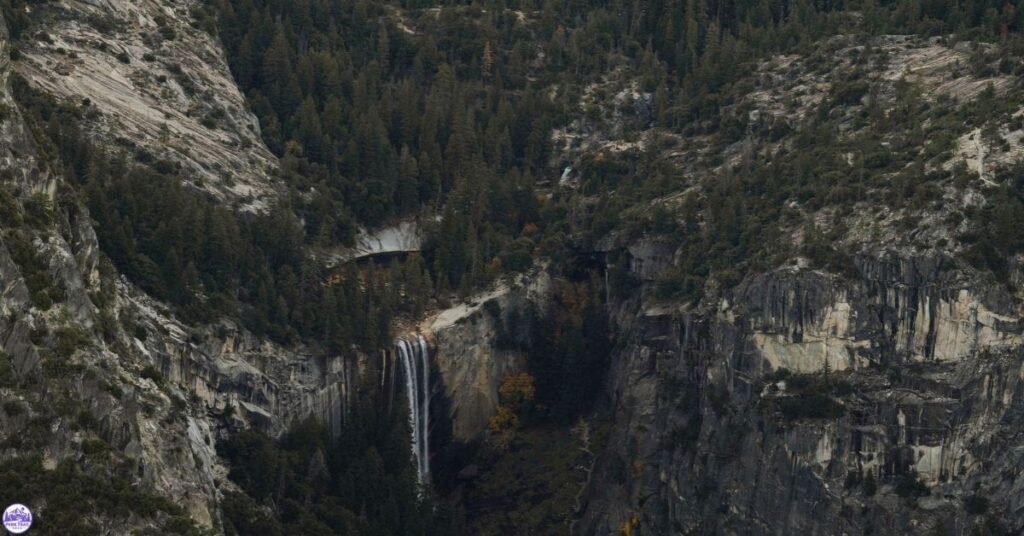
Yosemite Valley is the natural starting point. Yosemite Falls, El Capitan, Bridalveil Fall, and views of Half Dome all sit here. Treat the Valley as a set of short walks, not a driving tour. Park once, then explore in a sensible order.
1. See the View From Tunnel View
Tunnel View is one of the most famous viewpoints in the park. You see El Capitan on one side, Bridalveil Fall on the other, and Half Dome in the distance. It needs no hike, so it makes a great first stop. Expect crowds at popular hours. If you enter from the south, it fits naturally into your approach.
2. Walk to Lower Yosemite Fall
The Lower Yosemite Fall loop is about 1 mile round trip with roughly 50 feet of elevation gain. It suits families and casual walkers. Spring snowmelt brings the strongest flow, and the fall shrinks later in the season.
3. Explore Cook’s Meadow
Cook’s Meadow is a flat one-mile loop with open views of the granite cliffs. Use it to slow down after busier stops.
4. Look Up at El Capitan Meadow
The meadow gives you a clear view of El Capitan’s huge rock face. You may spot climbers on the wall. Stay on established paths and keep out of sensitive meadow areas.
5. Visit Bridalveil Fall
The Bridalveil Fall trail is about half a mile round trip with roughly 80 feet of elevation gain. Spray can soak the viewing area in spring. Late-summer flow is much lighter.
Yosemite National Park Trails: Plan the Right Hike for Your Level
The Yosemite National Park trails range from paved strolls to brutal all-day climbs. You do not need a hard mountain hike to enjoy the park. Many of the best hikes in Yosemite take less than two hours.
The NPS publishes distance, elevation gain, and difficulty for each route. Use this table to match a trail to your fitness and time.
| Trail | NPS Difficulty | Distance | Elevation Gain |
| Bridalveil Fall Trail | Easy | 0.5 mi round trip | 80 ft |
| Lower Yosemite Fall Trail | Easy | 1 mi loop | 50 ft |
| Cook’s Meadow Loop | Easy | 1 mi loop | Flat |
| Mirror Lake | Easy to Moderate | 2 mi to the lake and back | 100 ft |
| Vernal Fall Footbridge | Moderate | 1.6 mi round trip | 400 ft |
| Upper Yosemite Fall | Strenuous | About 7.2 mi round trip | About 3,200 ft |
| Half Dome | Strenuous | 14–16 mi round trip | About 4,800 ft |
The first three trails suit most casual visitors. Mirror Lake works if you want a longer, gentler walk. The full Mirror Lake loop is about five miles.
Hikes in Yosemite: A Simple Way to Choose
- Under two hours: Lower Yosemite Fall, Cook’s Meadow, Bridalveil Fall.
- Half a day: Vernal Fall Footbridge, Mirror Lake, Sentinel Dome, Taft Point.
- Full day: Upper Yosemite Fall, the top of Nevada Fall, North Dome, Half Dome.
Do not force every trail into one day. Pick the hikes that fit your time and save energy for the rest of the park.
Official trail information: Yosemite Valley Day Hikes
Yosemite Falls Hike: Lower Fall, Columbia Rock, and the Top
The Yosemite Falls hike has three levels. You can pick the one that matches your energy.
- Lower Yosemite Fall loop: Easy, about 1 mile, paved and mostly flat.
- Columbia Rock: A steep switchback climb of roughly 2 miles round trip. You gain a wide view of the Valley.
- Top of Yosemite Falls: A strenuous all-day hike. See the next section.
Yosemite Falls is one of the tallest waterfalls in North America. It drops in three stages: the Upper Fall, the middle cascades, and the Lower Fall. Flow peaks in May and early June. By late summer, the fall may dry to a trickle or stop. Plan your visit around snowmelt if you want a roaring waterfall.
Start from the Yosemite Falls trailhead near shuttle stop 6. Take water, because the climb above Columbia Rock has no shade in the afternoon.
Upper Yosemite Falls Hike: A Strenuous Climb Above the Valley
The Upper Yosemite Falls hike is one of the hardest day hikes in the Valley. The NPS lists it at about 7.2 miles round trip with roughly 3,200 feet of elevation gain. Most hikers need 6 to 8 hours.
The trail starts with steady switchbacks to Columbia Rock. It then climbs more steeply to the top of the fall. Your reward is a view over the lip of the waterfall and a broad look at the Valley.
Follow these tips:
- Start early. Leave by 7 a.m. to beat the heat and the crowds.
- Carry at least 3 liters of water. Shade is limited.
- Wear trail shoes with good grip. Granite can feel slick.
- Stay behind safety barriers. Fast water above the fall is deadly.
This hike does not suit beginners or anyone with knee problems. If you want a shorter taste, stop at Columbia Rock and turn around.
Vernal Falls Hike: The Mist Trail Step by Step
The Vernal Falls hike follows the Mist Trail, one of Yosemite’s best-known routes. It leads toward Vernal Fall and Nevada Fall with dramatic waterfall views.
The trail starts near Happy Isles at shuttle stop 16. The lower section climbs steadily to the Vernal Fall Footbridge. Past the bridge, the trail becomes much steeper. Spray makes the granite steps slippery in spring and early summer, so wear shoes with reliable grip.
Choose Your Turnaround Point Before You Start
| Destination | Round-Trip Distance | Elevation Gain | NPS Time Estimate |
| Vernal Fall Footbridge | 1.6 mi | 400 ft | 1–1.5 hours |
| Top of Vernal Fall | 2.4 mi | 1,000 ft | About 3 hours |
| Top of Nevada Fall | 5.4 mi | 2,000 ft | 5–6 hours |
The footbridge suits visitors who want a taste of the Mist Trail. The top of Vernal Fall means a steep granite staircase of more than 600 steps. Nevada Fall turns the outing into a strenuous day hike. Add extra time for crowds, photos, and rest breaks.
Who Should Skip the Upper Mist Trail?
Skip the upper sections if you dislike steep steps, wet rock, or long climbs. Families with young children should turn around at the footbridge. Never cross safety barriers near waterfalls. Fast water and wet granite can kill.
Official information: Vernal Fall and Nevada Fall Trails
Half Dome Hike Yosemite: What to Know Before You Go
The Half Dome hike Yosemite is the park’s most famous challenge. The NPS lists it at 14 to 16 miles round trip with about 4,800 feet of elevation gain. Most hikers need 10 to 12 hours.
The route starts at Happy Isles. It follows the Mist Trail or John Muir Trail past Vernal Fall and Nevada Fall, then climbs through Little Yosemite Valley. The final stretch uses steel cables up a steep granite slope. Many hikers find this the scariest part.
Is Half Dome Right for You?
Half Dome is not a first-visit hike for most people. Ask yourself these questions:
- Can you hike 14 miles with 4,800 feet of climbing?
- Are you comfortable with exposure and heights?
- Can you start before sunrise and carry plenty of water?
- Do you have gloves and sturdy shoes?
If you answer no to any of these, skip the cables. Hike to the top of Nevada Fall instead. You still get big views without the risk.
Storms make the cables deadly. Turn around if clouds build. Never climb in rain or when thunder sounds.
Yosemite Half Dome Permit: How the Lottery Works
You need a Yosemite Half Dome permit to climb the cables. The NPS requires one when the cables are up, usually from late May to mid-October. Rangers check permits on the trail.
Here is how permits generally work:
- Preseason lottery: You apply in March for dates in the summer season. Results come out in spring.
- Daily lottery: You can apply two days before your hike for a small number of leftover permits.
- Fees: You pay a small application fee, and a per-person fee if you win.
A permit also covers wilderness rules in the area. Group size and day-use limits apply. Dates, fees, and lottery windows change from year to year. Check the NPS Half Dome page and Recreation.gov before you plan.
Do not hike toward the cables without a permit. Rangers can turn you back, and you may face a fine.
Official information: Half Dome Hiking Information
El Capitan Trail: How to See and Reach the Top
Most visitors enjoy El Capitan from the ground. The El Capitan trail options fall into two groups.
Viewing from the Valley floor
El Capitan Meadow sits along the Valley loop road. You can walk the edge of the meadow and look up at the 3,000-foot granite face. Bring binoculars in spring and summer to spot climbers. Park in the pullouts and stay on the boardwalks and paths.
Hiking to the top
A long, strenuous trail reaches the top of El Capitan from the Tamarack Flat area off Tioga Road. It is a full-day effort with a lot of distance and climbing. It also depends on Tioga Road being open. Check the NPS for the current trailhead, mileage, and conditions before you go.
The summit view looks across Yosemite Valley toward Half Dome. Many hikers say it is quieter than the busy Valley trails. Treat it as an experienced-hiker route.
North Dome Yosemite: A Big View With Fewer Crowds
North Dome Yosemite gives you a famous angle on Half Dome. From the top, you look straight across at Half Dome’s northwest face.
Most hikers start from the Porcupine Creek trailhead on Tioga Road. The round trip runs about 9 miles, with moderate climbing. Plan for 5 to 6 hours. Many hikers add a short detour to Indian Rock, a natural stone arch.
The hike depends on Tioga Road. It closes in winter, so you can usually hike it from late spring through fall. There are limited services along the road, so bring food and water with you.
This route suits hikers who want a long, scenic day without the Half Dome permit. It makes a strong third-day activity if you already plan to drive Tioga Road.
Glacier Point Road: One of the Best Views in Yosemite
Glacier Point sits high above the Valley. It gives you sweeping views of Half Dome, Yosemite Valley, and the high country.
The drive from the Valley takes a little under an hour in normal conditions. The road generally runs from May until November, depending on snow. Glacier Point Road opened to vehicles on May 9, 2026. Treat that date as an example, not a promise for 2027.
Arrive Early at Glacier Point
The NPS recommends that you arrive by 9 a.m. If the lot fills, delays can last up to two hours. A guided Glacier Point bus tour runs when seasonal services operate. Some visitors buy a one-way ticket and hike back down. It is not a free shuttle, so check schedules and prices.
Two Short Hikes Near Glacier Point
Sentinel Dome
- Distance: 2 miles round trip
- Elevation gain: 400 feet
- Time: 1–2 hours
- Difficulty: Moderate
Sentinel Dome rewards you with views across the Sierra Nevada. The last climb scrambles up granite, so watch your footing.
Taft Point
- Distance: 2.2 miles round trip
- Elevation gain: 200 feet on the return
- Time: 1–2 hours
Taft Point looks over El Capitan and Yosemite Falls. The trail passes the Fissures, narrow cracks with deep drops. Stay well back from the edge. Stay off exposed domes during thunderstorms.
Useful official links:
Tioga Road: A Scenic Drive Worth Saving for Your Third Day
Tioga Road runs 46 miles between Crane Flat and Tioga Pass. It takes you into Yosemite’s high country. The scenery looks very different from the Valley’s cliffs and waterfalls. The road passes alpine meadows and leads to Tuolumne Meadows.
The drive from the Valley to Tuolumne Meadows takes about 1.5 hours without stops.
What to Expect Along Tioga Road
Tioga Road is seasonal. It usually opens in late May or June and closes in November. It opened to all traffic on May 15, 2026. Do not assume it reopens on the same date in 2027.
Services are limited. The NPS advised visitors in 2026 to bring their own food and water. Before you drive, check:
- Whether the road is open to vehicles.
- Whether Tuolumne Meadows facilities are operating.
- Whether drinking water and restrooms are available.
- Whether weather or road restrictions apply.
Tuolumne Meadows parking is limited. The NPS recommends that you arrive by 9 a.m. Roadside parking is prohibited.
Should You Drive Tioga Road on a Two-Day Trip?
Most first-time visitors should save it for another trip. The drive takes time, and many stops deserve your attention. Choose Tioga Road if you have a third day or if you cross the Sierra Nevada.
Official information:
Mariposa Grove: Walk Among Yosemite’s Giant Sequoias
Mariposa Grove holds more than 500 mature giant sequoias. It sits in the southern part of the park near the South Entrance. You need a separate visit, because it is not a short walk from the Valley.
How to Reach Mariposa Grove
During the operating season, you park at the Mariposa Grove Welcome Plaza and ride the free shuttle. The plaza has about 300 spaces and can fill by late morning. Shuttles run about every 15 minutes. Service starts no earlier than April 15 and usually ends by November 30. Dates change each year.
When the shuttle does not run, you can hike about two miles each way with roughly 500 feet of elevation gain. No food services exist at the plaza or in the grove, so bring snacks and water.
Best Mariposa Grove Hike for First-Time Visitors
The Grizzly Giant Loop works well for most visitors.
- Distance: 2 miles round trip
- Elevation gain: About 300 feet
- Time: 1.5–2 hours
- Difficulty: Moderate
You pass the Grizzly Giant and the California Tunnel Tree. The drive from the Valley takes a little over an hour, so plan a half-day visit.
Official information: Mariposa Grove of Giant Sequoias
Yosemite Black Bears: Food Storage and Wildlife Safety
Yosemite is home to hundreds of American black bears. Spotting one is exciting, but food storage matters far more than bear watching.
Bears smell food and scented items inside cars, packs, and campsites. They break into vehicles to reach them. Food-storage rules are federal law. Breaking them can bring a fine of up to $5,000, impoundment of your property, or removal from your campsite or lodging.
What Counts as Food?
- Food and drinks.
- Trash and recycling.
- Toiletries and cosmetics.
- Soap and other scented products.
- Coolers and unwashed cooking gear.
During the day, you may keep food in a vehicle if it stays out of sight and the windows are fully closed. After dark, do not store food or scented items in your car, including the trunk. Use a food locker or another approved place.
On the trail or at a picnic, keep your food within arm’s reach.
How Close Can You Get to a Bear?
Stay at least 50 yards from bears outside developed areas. Stay at least 25 feet from other wildlife such as deer. Never feed animals or move closer for a photo. Overnight hikers must use approved bear-resistant canisters in the wilderness.
These rules protect you and the bears. A bear that learns to eat human food may become dangerous and may have to be killed.
Official information:
Best Time to Visit Yosemite National Park
People often ask for the best time to visit Yosemite National Park. The honest answer depends on what you want to see. Yosemite is open all year, but not every road or trail is.
| Goal | Best Months | Why |
| Roaring waterfalls | Late April to early June | Snowmelt feeds the falls |
| High-country hiking | July to September | Tioga and Glacier Point roads are usually open |
| Smaller crowds | September to October, or winter | Fewer cars and easier parking |
| Snow scenes | December to February | Valley views with a quiet feel |
| Attraction | Late Spring Through Fall | Winter |
| Yosemite Valley | Most walks and viewpoints open | Many attractions open; snow and ice affect trails |
| Glacier Point Road | Usually open May to November | Usually closed |
| Tioga Road | Usually opens late May or June, closes in November | Usually closed |
| Mariposa Grove Shuttle | Seasonal, weather permitting | No regular shuttle |
| Valley Shuttle | Runs year-round | Runs year-round |
| Mist Trail | Depends on conditions | Sections may close for snow or ice |
Spring and summer bring the strongest waterfalls, but also heavy traffic and tight parking. Fall offers color and thinner crowds, but seasonal roads can close without much warning. Winter limits high-elevation access, though the Valley stays open. Always check current conditions before you travel.
Yosemite Winter: What to Expect From December to February
Yosemite winter is quiet and beautiful. Snow dusts the granite, crowds shrink, and the Valley feels peaceful.
Here is what changes in winter:
- Roads: Glacier Point Road and Tioga Road usually close to regular vehicles.
- Chains: Chain controls can apply on park roads. Carry chains and follow posted signs.
- Trails: Snow and ice can close sections of the Mist Trail and other routes.
- Activities: You can walk the Valley, watch Yosemite Falls, ice skate at Curry Village when it operates, and ski or snowshoe near Badger Pass.
Daylight lasts a few hours less, so start early. Dress in layers and wear waterproof boots. Book lodging well ahead for holiday weeks.
In February, some years bring a glowing sunset effect on Horsetail Fall. It draws large crowds and can require special access rules. Check NPS notices before you plan around it.
For current information, use Yosemite Current Conditions.
Yosemite Park in March: Snowmelt, Mud, and Early Waterfalls
Visiting Yosemite park March puts you at the start of waterfall season. Snow begins to melt, and the falls grow stronger week by week.
What to expect in March:
- Weather: Valley days feel cool, and nights can freeze. Rain and snow can both appear.
- Waterfalls: Flow builds through the month. The biggest flow usually comes later, in May and June.
- Roads: Glacier Point Road and Tioga Road remain closed. Chain controls may apply.
- Crowds: Visitors are fewer than in summer, but weekends can still fill up.
- Trails: Low-elevation trails such as Lower Yosemite Fall and Cook’s Meadow work well. Upper trails may hold snow and ice.
March is also when the Half Dome permit lottery usually opens. If you want a summer climb, apply for the preseason lottery during this window.
Pack layers, waterproof boots, and a rain jacket. Check road conditions each morning.
Yosemite National Park in October: Fall Color and Fewer Crowds
Yosemite National Park in October gives you mild days, cool nights, and a quieter Valley. Dogwoods, black oaks, and bigleaf maples add yellow and orange color.
What to expect in October:
- Waterfalls: Most falls run low or dry. Do not plan a visit around Yosemite Falls flow.
- Weather: Days are often sunny. Nights turn cold, and early storms can arrive.
- Roads: Tioga Road and Glacier Point Road can close after the first heavy snow. Check status before you drive.
- Half Dome: The cables usually come down in mid-October, which ends the permit season.
- Crowds: Weekends stay busy, but weekdays feel calmer than summer.
October suits photographers and hikers who want comfortable temperatures. Arrive early for parking, and carry a warm layer for the evenings.
Where Do You Stay in Yosemite? Lodging and Camping Options
Many visitors ask, where do you stay in Yosemite? You have three main choices: inside the park, just outside the gates, or in a nearby town.
| Option | Best For | Notes |
| Majestic Yosemite Hotel (formerly the Ahwahnee) | Luxury and history | Very limited and expensive |
| Yosemite Valley Lodge | Walking to Yosemite Falls | Comfortable base in the Valley |
| Curry Village | Budget cabins and tents | Busy in summer |
| Housekeeping Camp | Families on a budget | Seasonal canvas units |
| Valley campgrounds | Campers | Reserve early |
| Wawona Hotel | Historic stay near Mariposa Grove | South end of the park |
| El Portal, Mariposa, Midpines | Easier booking | Short drive to the Arch Rock entrance |
| Groveland | Big Oak Flat route | Drive of about an hour to the Valley |
| Fish Camp, Oakhurst | South Entrance access | Close to Mariposa Grove |
| Lee Vining | Tioga Road and eastern Sierra | Seasonal access |
Book early. Rooms and campsites sell out months ahead for summer. Lodging inside the park saves driving time and parking stress. Lodging outside the park costs less and has more availability, but you add a daily drive and gate traffic.
If you plan to sleep in a vehicle, remember that Yosemite allows this only in a campsite where you hold a registration.
Official information: Yosemite Campground Regulations
Yosemite Upper Pines Campsite: Reservations and Tips
The Yosemite Upper Pines campsite is one of the most popular campgrounds in the Valley. It sits near Happy Isles, so you can walk or ride the shuttle to the Mist Trail and Half Dome trailhead.
Key points:
- Location: East Yosemite Valley, near Curry Village.
- Size: It is one of the larger Valley campgrounds, with a few hundred sites.
- Season: Open for much of the year, with dates that can change.
- Facilities: Flush toilets, drinking water, picnic tables, fire rings, and bear lockers.
- Reservations: You book through Recreation.gov. Sites usually release on a rolling schedule months ahead, and they go fast.
Tips for a good stay:
- Log in to Recreation.gov before the booking time, and have your dates ready.
- Choose several backup dates.
- Use the bear locker for all food and scented items.
- Expect neighbors close by. Sites sit near each other.
- Check for fire restrictions before you plan a campfire.
Upper Pines puts you next to the best trailheads. It also keeps you out of the early-morning parking rush.
Housekeeping Tent Yosemite: A Budget-Friendly Valley Stay
The housekeeping tent Yosemite option is Housekeeping Camp. It sits along the Merced River near Yosemite Valley Lodge. It works well for families who want a roof without paying for a hotel.
Each unit has three concrete walls, a canvas roof, and a private patio with a fire ring. Units sleep up to six people. You get beds and a picnic table, and you share bathrooms and showers with other guests.
What to know:
- Season: The camp runs seasonally, not all year.
- Bedding: Check what the lodging operator provides, and bring a sleeping bag or blankets if needed.
- Cooking: You cook at your site, so bring a stove or plan fire-based meals when fires are allowed.
- Food storage: Bear boxes are required. Follow every storage rule.
- Location: You can walk to the river, the Valley shuttle, and Yosemite Falls.
Reserve early through the official lodging reservation page. Summer dates sell out fast.
San Francisco to Yosemite: Driving and Transit Options
Many visitors start in the Bay Area, so San Francisco to Yosemite is a common route. The drive covers roughly 170 to 200 miles and usually takes four to five hours without heavy traffic.
Driving From San Francisco
- Highway 120 to Big Oak Flat: Take I-580 and I-205 east, then CA-120 through Manteca and Groveland. This route often runs fastest and enters through the Big Oak Flat gate.
- Highway 140 to Arch Rock: Drive through Merced and Mariposa. It adds time but follows the Merced River into the Valley.
Leave before sunrise to avoid Bay Area traffic and arrive in the Valley before the 8 a.m. parking rush. Fill your gas tank before you enter the mountain roads, because fuel is limited inside the park.
Without a Car
- Train and bus: Ride Amtrak San Joaquins to Merced, then take a YARTS bus into the park.
- Guided tours: Several companies run day and overnight tours from San Francisco.
Transit works best if you stay in the Valley and use the free shuttle. Check YARTS and Amtrak schedules ahead, since service days and times change.
A day trip is possible, but you spend eight to ten hours in the car. Stay at least one night if you can.
Best Yosemite Itinerary: What to Do in 1, 2, or 3 Days
Group your activities by location instead of trying to see everything.
| Trip Length | Recommended Activities | What to Leave Out |
| 1 Day | Valley, Tunnel View, Lower Yosemite Fall, Cook’s Meadow, Mist Trail footbridge | Tioga Road, Glacier Point, Mariposa Grove |
| 2 Days | Day 1: Valley and waterfalls. Day 2: Glacier Point, Sentinel Dome, or Taft Point | Tioga Road |
| 3 Days | Add Mariposa Grove or a full Tioga Road day | Half Dome for most first-time visitors |
If You Have Only One Day
Stay in the Valley. Arrive early, then walk Lower Yosemite Fall and Cook’s Meadow. Add the Vernal Fall Footbridge if you feel strong. Do not spend hours driving to Glacier Point or Tioga Road.
If You Have Two Days
Day 1: Park early and explore Tunnel View, Lower Yosemite Fall, Cook’s Meadow, and the Mist Trail footbridge.
Day 2: Drive to Glacier Point when the road is open. Reach the lot by 9 a.m., enjoy the overlook, then hike Sentinel Dome or Taft Point.
If You Have Three Days
Choose Mariposa Grove for giant sequoias or a South Entrance exit. Choose Tioga Road for high-country scenery, a North Dome hike, or an eastern Sierra route. Trying both in one day leaves you rushed.
Five Mistakes First-Time Yosemite Visitors Should Avoid
1. Arriving after 8 a.m. in peak season. Parking is usually full. Arrive early to start without delays.
2. Driving between Valley attractions. Park once and use walking paths or the free shuttle.
3. Assuming seasonal roads are open. Glacier Point Road and Tioga Road depend on snow and maintenance. Check status first.
4. Leaving food in your car overnight. Bears break into vehicles. Use approved storage after dark.
5. Trying to see everything in one day. Yosemite is large. Pick a realistic plan and enjoy it.
One more tip: book lodging and campsites early. Availability shrinks fast in busy periods.
Frequently Asked Questions About Things to Do in Yosemite
Do I need a reservation to enter Yosemite in 2026?
No. Yosemite did not require a timed-entry reservation during the 2026 season. You still pay the entrance fee or show a pass. Lodging and campground reservations are separate. Check the NPS page before a 2027 trip.
How many days do you need in Yosemite?
Two days suit most first-time visitors. Use day one for the Valley and day two for Glacier Point. A third day adds Mariposa Grove or Tioga Road.
What is the easiest waterfall hike in Yosemite?
The Lower Yosemite Fall loop is about 1 mile with around 50 feet of climbing. Bridalveil Fall is another short option at about half a mile round trip.
Is the Mist Trail suitable for beginners?
The route to Vernal Fall Footbridge rates as moderate and gains about 400 feet. The upper sections become much harder. Beginners should choose a turnaround point that fits their ability.
Can you drive to Glacier Point or Tioga Road in winter?
Usually not. Both roads normally close in winter. Check NPS road updates for opening dates.
Do I need a permit for Half Dome?
Yes. You need a Half Dome permit when the cables are up, usually from late May to mid-October. Apply through the preseason or daily lottery.
Final Thoughts: Make the Most of Your First Yosemite Visit
Keep your first Yosemite itinerary realistic. Start in the Valley, where you see granite cliffs, waterfalls, and meadows. Spend your second day at Glacier Point, and add Sentinel Dome or Taft Point. With a third day, choose Mariposa Grove or Tioga Road.
The most important decision is an early start. Arrive before 8 a.m. in busy periods, park once, and skip needless driving. Pack water and sturdy shoes, store food correctly, and check road and trail conditions before you leave.
You do not need to see everything to enjoy Yosemite. A well-planned two-day visit gives you an excellent introduction to one of America’s greatest national parks.
Author Bio
Awais is the Founder and Editorial Director of ParkTrailsGuide. Working with a network of outdoor contributors and current park data, he creates deeply researched survival guides, packing frameworks, and safety blueprints for U.S. national parks. His mission is to turn complex official National Park Service data into clear, actionable travel resources.
1 thought on “Things to Do in Yosemite: A First-Timer’s Plan for 2 to 3 Days”