

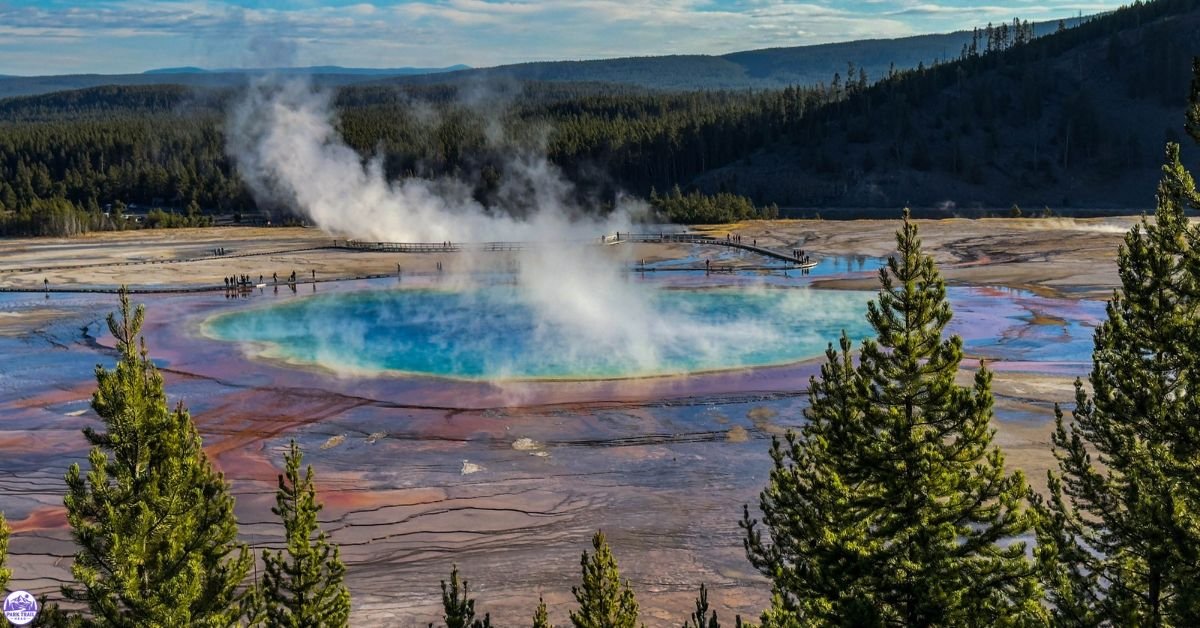
Choosing where to stay near Yellowstone National Park can make a bigger difference to your vacation than you might expect. A hotel that looks close on a map may still leave you with a long drive to the attractions you want to visit.
Yellowstone covers nearly 3,500 square miles, and its five entrances lead to very different parts of the park. Old Faithful, Grand Prismatic Spring, Mammoth Hot Springs, the Grand Canyon of the Yellowstone, and Lamar Valley are spread across a large area. Getting between them takes time, especially when wildlife crosses the road or construction slows traffic.
That is why choosing the right gateway town matters.
Before choosing where to stay, it helps to decide which parts of Yellowstone you want to explore. From watching Old Faithful erupt to walking around Grand Prismatic Spring and spotting wildlife in Lamar Valley, there are plenty of experiences to fit into your itinerary. Our guide to the best Yellowstone Park activities covers the major attractions and helps first-time visitors decide what deserves a place on their trip.
For most first-time visitors, West Yellowstone, Montana, is a convenient place to stay because it provides easy access to the park’s famous geyser basins. Gardiner works particularly well for Mammoth Hot Springs and northern Yellowstone, while Cooke City is an excellent option for visitors focused on Lamar Valley wildlife. Cody and Jackson offer different advantages, especially for travelers combining Yellowstone with a wider Wyoming or Montana road trip.
This guide compares all five gateway towns, explains their advantages and disadvantages, and helps you decide where to book your accommodation.
Quick Answer: Where Should You Stay Near Yellowstone?
For a first visit, West Yellowstone is usually the most convenient single base for exploring the park’s western and southern attractions. However, staying in two different towns can make a longer trip much easier.
Here is a quick breakdown:
| Gateway Town | Entrance | Best For |
| West Yellowstone, Montana | West Entrance | First-time visitors, families, and geyser sightseeing |
| Gardiner, Montana | North Entrance | Mammoth Hot Springs, northern Yellowstone, and wildlife |
| Cooke City and Silver Gate, Montana | Northeast Entrance | Lamar Valley, wildlife photography, and mountain scenery |
| Cody, Wyoming | East Entrance | Western history, museums, and scenic drives |
| Jackson, Wyoming | South Entrance route | Visitors combining Yellowstone with Grand Teton National Park |
Our recommendation: For a four- or five-day summer trip, consider splitting your accommodation between West Yellowstone and Gardiner. This gives you a convenient starting point for exploring the western and central attractions before moving closer to the northern sections of the park.
Why Your Gateway Town Matters When Visiting Yellowstone
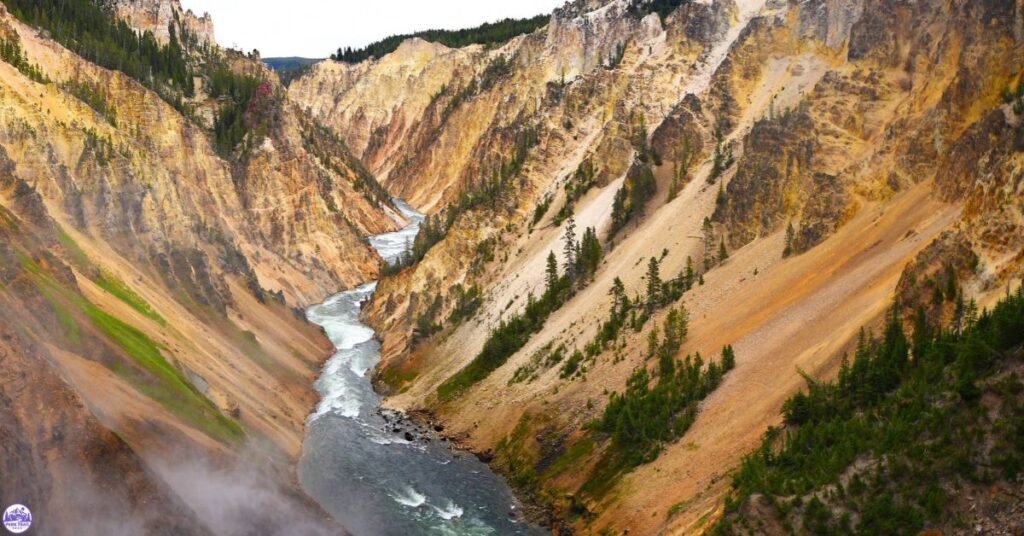
One of the easiest mistakes to make when planning a Yellowstone vacation is booking the same hotel for every night without considering the distances between attractions.
For example, West Yellowstone is convenient for reaching the geyser basins, but it is not the closest place to stay for early-morning wildlife viewing in Lamar Valley. Similarly, Gardiner gives you quick access to Mammoth Hot Springs and the northern park roads, but reaching Old Faithful requires a considerably longer drive.
Yellowstone also does not have a general public transportation system connecting its major attractions. Most visitors need their own vehicle or a guided tour to explore the park.
The National Park Service lists a general speed limit of 45 mph unless otherwise posted. Actual travel times can be longer because of wildlife, weather, road construction, and traffic.
Before choosing accommodation, think about three things:
- Which Yellowstone attractions do you want to visit most?
- How many full days will you spend inside the park?
- Would you rather stay in one town or change hotels during your trip?
These questions will help you choose a location that fits your itinerary instead of spending unnecessary hours driving back and forth.
Comparing the Five Best Gateway Towns Near Yellowstone
Each gateway town has a different location, atmosphere, and range of services. The best choice depends on your travel priorities rather than simply which town is closest to the park boundary.
| Town | Main Advantage | Main Disadvantage |
| West Yellowstone | Convenient for geyser basins and visitor services | Longer drives to Lamar Valley |
| Gardiner | Excellent access to Mammoth and northern Yellowstone | Farther from the southern attractions |
| Cooke City | Close to the Northeast Entrance and Lamar Valley | Limited services and lodging choices |
| Cody | Western attractions, museums, and larger-town services | Longer daily drives into Yellowstone |
| Jackson | Convenient for combining Yellowstone with Grand Teton | Far from many Yellowstone attractions and often expensive |
Let’s look at what each location offers before you make a reservation.
1. West Yellowstone, Montana: Best for First-Time Visitors
West Yellowstone is one of the most convenient places to stay outside Yellowstone National Park. Located beside the West Entrance, this small Montana town gives visitors relatively easy access to several of the park’s best-known geothermal attractions.
If your itinerary includes Old Faithful, Grand Prismatic Spring, Midway Geyser Basin, and the Madison area, West Yellowstone makes a practical base.
Why Stay in West Yellowstone?
The main advantage is its location. After entering through the West Entrance, you follow the Madison River toward the central part of the park. From Madison Junction, you can continue south toward Old Faithful or travel toward Norris Geyser Basin and the Canyon area.
The National Park Service lists approximately 30 minutes from the West Entrance to Madison Junction, followed by another 35 to 45 minutes from Madison Junction to Old Faithful under average driving conditions.
This makes West Yellowstone particularly attractive for visitors who want to reach popular geothermal areas relatively early in the day.
The town itself also offers a useful selection of visitor services. You can find hotels, motels, vacation rentals, restaurants, grocery stores, coffee shops, and outdoor equipment stores.
The Grizzly & Wolf Discovery Center is another popular attraction for families who want to learn more about the animals found in the Greater Yellowstone ecosystem.
What Kind of Accommodation Can You Find?
West Yellowstone offers several accommodation styles, including:
- Traditional roadside motels.
- Familiar hotel chains.
- Family-friendly hotel rooms and suites.
- Cabins and vacation rentals.
- Smaller lodges with a more rustic atmosphere.
This variety makes it easier to find accommodation that suits different travel budgets and group sizes.
Things to Consider Before Booking
West Yellowstone is popular during the summer, so accommodation prices and availability can change considerably during peak travel months.
It is also important to remember that staying near the West Entrance does not put you close to every part of Yellowstone.
A trip to Lamar Valley, for example, requires a much longer drive than visiting the western geyser basins. If wildlife viewing is your main priority, Gardiner or Cooke City may be more convenient.
Best for: First-time Yellowstone visitors, families, geyser sightseeing, and travelers who prefer having restaurants and shopping options close to their accommodation.
2. Gardiner, Montana: Best for Mammoth Hot Springs and Northern Yellowstone
Gardiner sits just outside Yellowstone’s North Entrance, near the historic Roosevelt Arch. It is one of the most practical places to stay for visitors interested in Mammoth Hot Springs, Tower-Roosevelt, and Lamar Valley.
Its biggest advantage is its access to Yellowstone’s northern road network.
Why Stay in Gardiner?
The North Entrance provides access to Mammoth Hot Springs, which is one of Yellowstone’s most recognizable geothermal areas.
From Mammoth, visitors can continue toward Norris Junction, Canyon Village, and Tower-Roosevelt when the relevant roads are open.
Gardiner is also a useful starting point for wildlife enthusiasts. Visitors heading toward Lamar Valley can travel east through the northern part of Yellowstone rather than driving across the park from West Yellowstone.
Another important advantage is winter access.
The road connecting Yellowstone’s North Entrance in Gardiner to the Northeast Entrance near Cooke City generally remains open to regular vehicles throughout the year, weather permitting. This makes Gardiner one of the most useful gateway towns for winter visitors.
What Accommodation Can You Find?
Gardiner has a smaller and less commercial atmosphere than West Yellowstone.
Popular accommodation styles include:
- Riverfront hotels and motels.
- Independent lodges.
- Bed-and-breakfast properties.
- Cabins and vacation rentals.
- Small family-operated hotels.
Some properties offer views of the Yellowstone River or surrounding mountains, making the town appealing to visitors who prefer a quieter setting.
You can also find restaurants, coffee shops, grocery options, and basic visitor services in town.
Things to Consider Before Booking
Gardiner is not the most convenient base for visitors who want to spend most of their time around Old Faithful and the southern geyser basins.
The drive from the North Entrance through Mammoth and the central park roads takes time. A day trip to Old Faithful is possible, but it requires more driving than starting from West Yellowstone.
Best for: Wildlife watchers, Mammoth Hot Springs visitors, northern Yellowstone sightseeing, and travelers interested in a winter visit.
3. Cooke City and Silver Gate, Montana: Best for Lamar Valley Wildlife Viewing
Cooke City and Silver Gate are small mountain communities near Yellowstone’s Northeast Entrance.
They are particularly appealing to visitors who want to spend more time exploring Lamar Valley, photographing wildlife, or traveling along the scenic Beartooth Highway during its operating season.
Why Stay in Cooke City or Silver Gate?
Lamar Valley is one of Yellowstone’s best-known wildlife-viewing areas. Visitors come here hoping to see wolves, bison, elk, and sometimes grizzly bears.
Staying in Cooke City or Silver Gate puts you much closer to the Northeast Entrance than accommodation in West Yellowstone or Jackson.
That location is especially useful for early-morning wildlife watching. Instead of beginning the day with a long drive across Yellowstone, you can start much closer to the northeastern part of the park.
The area also offers access to mountain scenery and outdoor recreation beyond the park boundary.
During the summer season, the Beartooth Highway is another major attraction. This scenic route crosses high mountain terrain and offers spectacular views along the way.
What Accommodation Can You Find?
Cooke City and Silver Gate have a relatively small selection of places to stay.
You will generally find:
- Rustic mountain cabins.
- Small lodges.
- Independent motels.
- Vacation rentals.
- Seasonal accommodation properties.
These communities are a better match for travelers who value their location and outdoor surroundings more than extensive hotel facilities.
Things to Consider Before Booking
Cooke City and Silver Gate have fewer restaurants, shops, and other visitor services than West Yellowstone or Cody.
Do not assume that every restaurant, store, or fuel service operates on the same schedule throughout the year. Check seasonal business hours before booking, particularly during spring and autumn.
Cellular coverage and internet availability can also vary by property and location. Contact your accommodation directly if reliable connectivity is important.
Another consideration is driving distance. Old Faithful and the southern geothermal attractions are not close to Cooke City. Reaching them requires a substantial drive through the park.
Also remember that the Beartooth Highway has seasonal closures. Its availability should not be confused with the year-round access of the North Entrance to the Northeast Entrance.
Best for: Wildlife photographers, Lamar Valley visitors, outdoor enthusiasts, and travelers who prefer a quieter mountain community.
4. Cody, Wyoming: Best for Western History and the East Entrance
Cody is a larger Wyoming town approximately 53 miles from Yellowstone’s East Entrance.
Although it is not as close to the park boundary as West Yellowstone or Gardiner, Cody offers something different: Western history, local attractions, shopping, and a more developed town atmosphere.
Why Stay in Cody?
The drive from Cody toward Yellowstone follows the North Fork of the Shoshone River through the scenic Wapiti Valley.
This route is an attraction in its own right, with mountain views, rugged rock formations, forests, and opportunities to enjoy the surrounding landscape.
Once you enter Yellowstone through the East Entrance, the road leads toward Yellowstone Lake and Fishing Bridge.
This makes Cody a useful base for exploring the park’s eastern side, including Yellowstone Lake, Hayden Valley, and the Grand Canyon of the Yellowstone.
Cody also has several attractions worth visiting outside the national park.
The Buffalo Bill Center of the West is a major museum complex featuring exhibits related to Western history, art, firearms, and the culture of the American West.
During the appropriate season, visitors can also look for local rodeo events and other Western-themed activities.
What Accommodation Can You Find?
Cody has a wider selection of visitor services than the smaller mountain communities.
Accommodation options include:
- Budget-friendly motels.
- National hotel chains.
- Historic downtown hotels.
- Vacation rentals.
- Guest ranches and dude ranch-style properties.
You will also find restaurants, supermarkets, fuel stations, and other useful services.
Things to Consider Before Booking
The biggest disadvantage is the distance from Cody to Yellowstone’s East Entrance.
You need to drive approximately 53 miles just to reach the entrance before beginning your sightseeing.
After entering the park, you will still need additional driving time to reach popular destinations such as Canyon Village or Old Faithful.
For this reason, Cody works better for travelers who want to explore the eastern side of Yellowstone or combine their park visit with a few days of Wyoming sightseeing.
Best for: Western history enthusiasts, museum visitors, families exploring Cody, and travelers planning an eastern Yellowstone road trip.
5. Jackson, Wyoming: Best for Combining Yellowstone and Grand Teton
Jackson is one of the best-known mountain towns in Wyoming and a popular starting point for visitors exploring both Yellowstone and Grand Teton National Park.
It is located south of Yellowstone, near the route leading toward the South Entrance.
However, Jackson is not the most practical single base for visitors focusing exclusively on Yellowstone.
Why Stay in Jackson?
The biggest reason to choose Jackson is its proximity to Grand Teton National Park.
Visitors can explore the Teton Range, scenic overlooks, mountain lakes, hiking trails, and wildlife areas before continuing north toward Yellowstone.
The drive toward Yellowstone follows the John D. Rockefeller Jr. Memorial Parkway and enters the park through its South Entrance.
This makes Jackson a logical accommodation choice for a combined Yellowstone and Grand Teton itinerary.
The town itself also offers an extensive visitor experience, including restaurants, art galleries, shopping areas, and outdoor recreation services.
What Accommodation Can You Find?
Jackson offers a broad selection of places to stay, including:
- Boutique hotels.
- Luxury resorts.
- Traditional hotels.
- Ski lodges.
- Vacation rentals.
- Upscale downtown accommodation.
This variety makes it attractive to travelers looking for a more developed resort-town experience.
Things to Consider Before Booking
Accommodation in Jackson can be expensive, particularly during busy summer and winter travel periods.
Its location is also not ideal for exploring northern Yellowstone every day.
Visitors traveling to Lamar Valley or Mammoth Hot Springs from Jackson should expect considerably longer drives than those staying in Gardiner.
There is another important planning detail: the South Entrance route passes through Grand Teton National Park. Depending on your entrance pass and travel arrangements, separate admission fees may apply to the two parks.
Check the current entrance fee requirements before starting your road trip.
Best for: Visitors combining Yellowstone and Grand Teton National Park, travelers who enjoy resort-town services, and people planning a longer Wyoming vacation.
Should You Stay Inside Yellowstone or in a Gateway Town?
Choosing accommodation inside Yellowstone or in a nearby town depends on your budget, itinerary, and preferred travel style.
Both options have advantages.
Staying Inside Yellowstone
Staying inside the park can save driving time because you are already close to major attractions.
This is particularly useful if you want to watch the sunrise at Lamar Valley, visit Old Faithful early, or explore different sections of the park without returning to an outside town every evening.
The downside is that accommodation availability can be limited, and popular properties often require reservations well in advance.
You should also pay attention to the location of your selected lodge. Staying inside the park does not automatically mean that every major attraction is nearby.
Staying in a Gateway Town
Gateway towns provide access to restaurants, groceries, fuel, and a wider range of accommodation styles.
They can also offer more flexibility when you are comparing hotel prices and room types.
The trade-off is additional driving. You need to enter the park each morning and return to your accommodation after sightseeing.
For many families and road-trippers, West Yellowstone and Gardiner offer a convenient balance between accommodation choices and park access.
Which Option Should You Choose?
Choose accommodation inside Yellowstone if reducing daily driving is your main priority and you can secure a suitable reservation.
Choose West Yellowstone or Gardiner if you prefer more outside dining and accommodation choices.
For longer vacations, consider combining an inside-the-park stay with one or two gateway towns.
Camping Near Yellowstone: Campgrounds and Dispersed Camping
Not every Yellowstone visitor wants to stay in a hotel. Camping can be an enjoyable alternative, especially for travelers who want to spend more time outdoors.
However, camping rules change depending on whether you are inside Yellowstone National Park or on nearby national forest land.
Camping Inside Yellowstone National Park
Yellowstone has 11 established campgrounds with more than 2,000 campsites.
Reservations are required for most stays, and popular locations can fill up well in advance.
Mammoth Campground is an exception, offering first-come, first-served sites during its designated autumn and winter operating period.
For summer 2027, the National Park Service states that all campground reservations will be handled through Recreation.gov, with reservations opening approximately six months in advance.
Before planning a camping trip, check the official campground page for opening dates, availability, site restrictions, and current fees.
Backcountry Camping
Backcountry camping is different from staying at a developed campground.
It allows visitors to explore remote areas of the park, but it requires additional preparation.
An overnight backcountry permit is required, and campers must use authorized sites and follow park regulations.
Food and scented items must be stored properly using approved bear-resistant food containers or designated food-storage poles.
These precautions are essential because Yellowstone is home to both black bears and grizzly bears.
Dispersed Camping Outside Yellowstone
If developed campgrounds are full, nearby national forests may provide additional camping opportunities.
The surrounding region includes parts of the Custer Gallatin, Shoshone, and Bridger-Teton National Forests.
Some areas allow dispersed camping, but not every forest road, roadside pullout, or open-looking area is an approved camping location.
For example, the Custer Gallatin National Forest requires visitors to follow its Motor Vehicle Use Maps when choosing locations for dispersed car camping.
Always check the rules for the specific national forest and ranger district you plan to visit.
Important: Sleeping in a vehicle at a Yellowstone roadside pullout, picnic area, or parking lot is not permitted. Overnight vehicle stays must be in designated campgrounds.
Seasonal Road Closures: What They Mean for Your Accommodation
Yellowstone’s road network changes significantly throughout the year.
A town that works perfectly for a July vacation may not offer the same access during December.
Before reserving a non-refundable hotel, check the National Park Service road schedule for your travel dates.
Summer: June Through August
Summer is the most straightforward season for exploring Yellowstone by car.
Most park roads and entrances are generally open, weather permitting.
This is a convenient time to visit West Yellowstone, Gardiner, Cody, Jackson, or Cooke City, depending on your itinerary.
However, summer also brings higher visitor numbers, busy boardwalks, wildlife-related traffic delays, and greater demand for accommodation.
Book your hotel early, particularly if you are traveling during June, July, or August.
Spring and Autumn: May and September Through October
Spring and autumn can offer a different experience, with changing landscapes and fewer visitors at some locations.
However, road opening and closing dates vary.
High-elevation roads such as Dunraven Pass and the Beartooth Highway are especially sensitive to snow and weather conditions.
Just because your gateway town is accessible does not mean every route will be open.
Check current NPS road conditions before finalizing your driving itinerary.
Winter: November Through March
Yellowstone is different in the winter for most visitors.
The North Entrance near Gardiner and Northeast Entrance near Cooke City remain connected by a road that is generally open to regular vehicles throughout the year, weather permitting.
During the winter, most other park roads are closed to ordinary vehicle traffic.
Some interior routes open for commercially guided snowmobile and snowcoach travel during the winter operating season.
The 2026–2027 oversnow season is scheduled to begin on December 15, 2026, with different road sections closing on different dates in March 2027. Weather and operating conditions can change these dates.
If you plan to stay in West Yellowstone or Jackson during winter, research authorized snowcoach or snowmobile transportation before booking your accommodation.
Visitors staying in Gardiner or Cooke City have a different advantage because they can access the year-round northern road corridor when conditions allow.
A Practical Four-Day Yellowstone Itinerary: West Yellowstone and Gardiner
For a four-day summer vacation, splitting your stay between West Yellowstone and Gardiner can help reduce repeated driving.
Instead of returning to one hotel after exploring opposite sides of the park, you can move your accommodation closer to your next day’s attractions.
Here is one practical way to arrange the trip.
Day 1: Explore the Western Geyser Basins
Accommodation: West Yellowstone
Enter through the West Entrance and explore the Madison area.
Continue toward the geothermal attractions, including Fountain Paint Pot, Grand Prismatic Spring, and Old Faithful.
Allow enough time for boardwalk walks, visitor facilities, photography, and the drive between attractions.
Return to West Yellowstone for dinner.
Day 2: Visit Norris and the Grand Canyon of the Yellowstone
Accommodation: West Yellowstone
Start with Norris Geyser Basin, then continue toward Canyon Village.
Explore the viewpoints around the Grand Canyon of the Yellowstone, including Artist Point and suitable overlooks near the waterfalls.
This day focuses on the central part of the park rather than repeating the southern geyser attractions.
Return to West Yellowstone for the evening.
Day 3: Visit Mammoth Hot Springs and Move to Gardiner
Accommodation: Gardiner
Check out of your West Yellowstone accommodation and travel north through the park.
Visit Mammoth Hot Springs and explore its travertine terraces using the designated pathways.
After sightseeing, continue to Gardiner and check into your next accommodation.
This change of location puts you closer to the northern sections of Yellowstone.
Day 4: Wildlife Watching in Lamar Valley
Accommodation: Gardiner
Start early and drive toward Lamar Valley.
Wildlife activity varies with the season and conditions, but early morning is a popular time for visitors hoping to observe wolves, bison, elk, and other animals.
Carry binoculars, use designated pullouts, and maintain the required wildlife viewing distances.
After exploring Lamar Valley, you can return toward Gardiner or continue with other northern Yellowstone stops, depending on your departure schedule.
Planning tip: Treat the itinerary as a flexible outline rather than a strict timetable. Wildlife jams and road construction can change your daily schedule.
Wildlife Safety and Essential Items for Your Yellowstone Trip
Yellowstone is an exciting place to explore, but its wildlife and geothermal features require visitors to follow important safety rules.
A little preparation can help you avoid common problems.
Keep a Safe Distance From Wildlife
Never approach a wild animal, even if it appears calm.
The National Park Service requires visitors to remain at least:
- 100 yards from bears, wolves, and cougars.
- 25 yards from bison, elk, and other wildlife.
If an animal moves closer, move away and maintain the required distance.
For wildlife photography, use a telephoto lens or binoculars rather than approaching animals.
Never block a road or stop in an unsafe location to take photographs.
Stay on Designated Boardwalks in Thermal Areas
Yellowstone’s hot springs and geyser basins contain extremely hot water beneath fragile ground surfaces.
The ground may look solid, but the crust can be thin and unsafe to walk on.
Always remain on marked boardwalks and designated trails. Keep children close, and never touch thermal water or runoff.
Swimming or bathing in water entirely of thermal origin is prohibited.
Pack Useful Clothing and Equipment
Yellowstone’s weather can change quickly, even during summer.
Consider bringing:
- Comfortable walking shoes with good grip.
- A waterproof jacket.
- Warm layers for cool mornings and evenings.
- Binoculars for wildlife viewing.
- A camera with a suitable zoom lens.
- Sunscreen, sunglasses, and drinking water.
- Bear spray when hiking in bear country, along with knowledge of how to use it.
Checking the weather and road conditions each morning is also a good habit.
Frequently Asked Questions About Where to Stay Near Yellowstone
Is it better to stay inside Yellowstone or outside the park?
Staying inside Yellowstone can reduce daily driving and put you closer to popular attractions. However, outside gateway towns generally provide more choices for restaurants, shopping, and accommodation.
West Yellowstone and Gardiner are practical choices for visitors who prefer staying outside the park.
The right option depends on your budget, itinerary, and accommodation availability.
Which Yellowstone gateway town is best for first-time visitors?
West Yellowstone is an excellent choice for first-time visitors who want convenient access to Old Faithful, Grand Prismatic Spring, and the western geyser basins.
It also offers a useful selection of hotels, restaurants, grocery stores, and family-friendly attractions.
However, Gardiner may be a better option if your trip focuses on Mammoth Hot Springs and northern Yellowstone.
How many days should you spend in Yellowstone?
Three full days is a reasonable starting point for visiting several of Yellowstone’s major attractions.
Four or five days will give you more flexibility and allow time for wildlife viewing, geothermal areas, waterfalls, scenic drives, and short hikes.
Visitors interested in exploring the entire park at a slower pace may want to stay longer.
Is Bozeman a good place to stay when visiting Yellowstone?
Bozeman can work for travelers arriving by air or exploring southwest Montana.
However, it is generally less convenient as a daily base for Yellowstone sightseeing because you must add the drive from Bozeman to the park entrance before beginning your exploration.
For a multi-day Yellowstone trip, staying in West Yellowstone or Gardiner usually makes more sense.
Can you visit Yellowstone in winter while staying in West Yellowstone?
Yes, but winter access is different from summer access.
Most roads close to regular vehicles, and visitors staying in West Yellowstone generally need to arrange an authorized snowcoach or snowmobile tour to reach the park’s interior.
Always confirm the operating dates, pickup location, and booking requirements directly with the tour operator.
Which town is closest to Lamar Valley?
Cooke City and Silver Gate are particularly convenient for accessing the northeastern side of Yellowstone and Lamar Valley.
Gardiner is another useful choice, especially for visitors who want access to Mammoth Hot Springs and northern Yellowstone as well.
Is Jackson a good base for exploring Yellowstone?
Jackson is a good choice if your vacation includes both Yellowstone and Grand Teton National Park.
However, it is not the most convenient base for visitors who want to focus only on Yellowstone’s northern attractions.
Final Thoughts: Choose Your Yellowstone Basecamp Carefully
The best place to stay near Yellowstone National Park depends on which attractions you want to explore and how much time you have.
West Yellowstone is a convenient starting point for first-time visitors and families interested in the park’s famous geysers. Gardiner is a practical choice for Mammoth Hot Springs, northern Yellowstone, and year-round road access. Cooke City and Silver Gate are better suited to wildlife enthusiasts, while Cody and Jackson offer their own advantages for wider regional road trips.
For a four- or five-day summer visit, consider spending part of your trip in West Yellowstone and the rest in Gardiner. This simple change can reduce unnecessary backtracking and make it easier to explore different parts of the park.
Most importantly, choose your accommodation around your daily sightseeing plans rather than booking a hotel based only on its distance from the nearest entrance.
A little planning before you reserve your room can make your Yellowstone vacation much more enjoyable.
Sources
NPS – Yellowstone Directions and Transportation
NPS – Yellowstone Park Roads
NPS – Yellowstone Campgrounds
Author Bio
Awais is the Founder and Editorial Director of ParkTrailsGuide. Working with a network of outdoor contributors and current park data, he creates deeply researched survival guides, packing frameworks, and safety blueprints for U.S. national parks. His mission is to turn complex official National Park Service data into clear, actionable travel resources.
1 thought on “Best Places to Stay Near Yellowstone National Park: Gateway Towns, Lodging & Driving Times”