
Yellowstone’s lakes offer some of the park’s most peaceful scenery, but spending time on the water requires more planning than many first-time visitors expect. Cold temperatures, sudden winds, boating permits and seasonal closures can all affect your plans.
The good news is that you do not need to be an experienced boater to enjoy Yellowstone’s lakes. You can explore the shoreline on foot, fish from permitted locations, rent a boat or paddle into quieter backcountry waters.
The key is choosing the right lake for your plans.
Yellowstone Lake is the best starting point for most visitors because it offers boating, fishing, scenic viewpoints and easy access to nearby facilities. Lewis Lake is a practical choice for anglers and motorboat users, while Shoshone Lake appeals to experienced paddlers looking for a more remote experience. Heart Lake is better suited to visitors who already have backcountry hiking and camping experience.
These lakes are just one part of a wider Yellowstone adventure. If you are planning to explore more of the park, our guide to the 12 best Yellowstone Park activities covers popular geyser basins, waterfalls, wildlife-viewing areas and scenic drives to help you plan a more complete trip.
This guide explains where to go, which permits you need, what each lake offers and how to plan a safer two-to-four-day visit.
Quick Answer:
The best Yellowstone lakes for most visitors are Yellowstone Lake, Lewis Lake and Shoshone Lake. Choose Yellowstone Lake for scenic views, boating and shoreline walks. Visit Lewis Lake for easier roadside access, fishing and motorized boating. Consider Shoshone Lake if you enjoy paddling and are comfortable with backcountry conditions.
Before launching any watercraft, obtain the required Yellowstone boat permit and aquatic invasive species inspection. Anglers aged 16 or older also need a Yellowstone fishing permit. Because the water is extremely cold and winds can create dangerous waves, plan water activities around suitable weather conditions.
Which Yellowstone Lakes Are Worth Visiting?
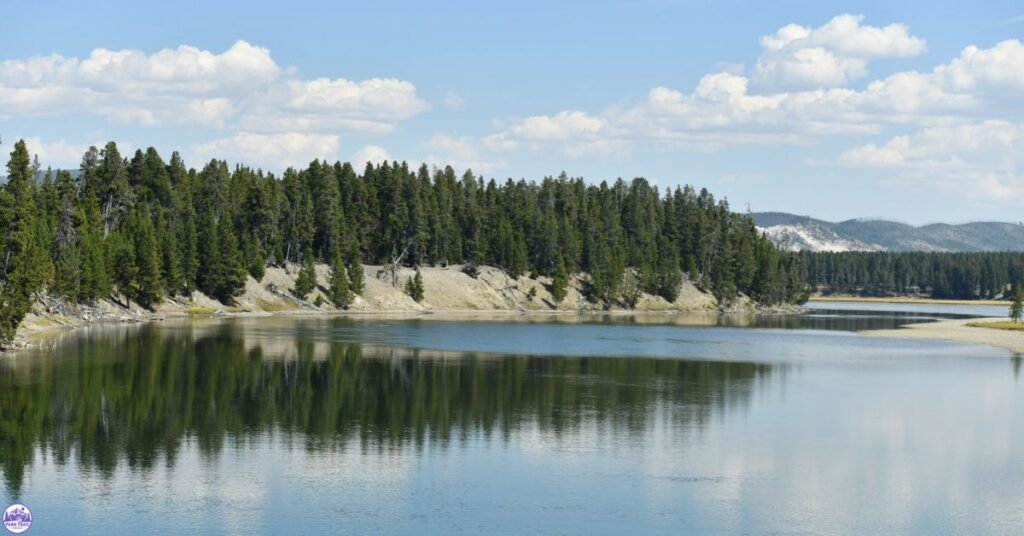
Yellowstone contains numerous lakes, but four stand out for visitors planning a lake-focused trip: Yellowstone Lake, Lewis Lake, Shoshone Lake and Heart Lake.
Each offers a different experience. Some are easy to reach from a road, while others require a paddle or a substantial hike.
Here is how they compare:
| Lake | Best For | Motorized Boats | Visitor Effort |
| Yellowstone Lake | Boating, fishing and shoreline views | Yes | Low for roadside visits; higher for open-water trips |
| Lewis Lake | Fishing, motorboats and camping | Yes | Low to moderate |
| Shoshone Lake | Kayaking, paddling and backcountry camping | No | Moderate to high |
| Heart Lake | Remote fishing and backcountry camping | No | High |
For a first visit lasting two to four days, Yellowstone Lake makes the most practical base. Its surrounding roads, developed facilities and shoreline viewpoints allow you to enjoy the scenery without committing to a demanding backcountry trip.
Add Lewis Lake if fishing or motorized boating is part of your plan. Shoshone Lake is worth the extra effort for paddlers who understand cold-water conditions and can manage an emergency on the water.
Heart Lake is a different experience altogether. Treat it as a backcountry destination rather than a convenient stop along a scenic drive.
Yellowstone Lake: Beautiful Scenery, Cold Water and Unpredictable Winds
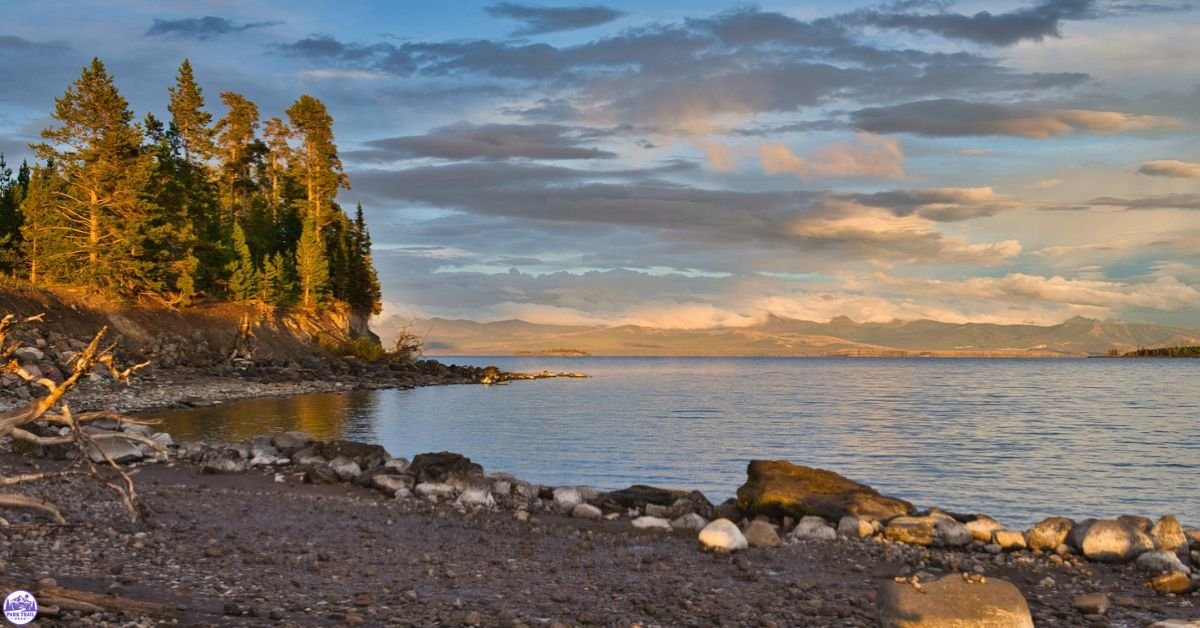
Yellowstone Lake is the park’s largest lake and one of its most recognizable natural features.
It sits at an elevation of 7,733 feet and covers approximately 132 square miles. The shoreline stretches for about 141 miles, creating plenty of opportunities for scenic stops, boating and fishing.
The lake looks inviting on a warm summer afternoon. However, its water remains cold throughout the year. The National Park Service reports an average water temperature of approximately 41°F (5°C).
That temperature is important for anyone considering kayaking, canoeing or motorboating.
Water temperatures can remain in the 40s during June and may only reach the 60s by late summer. Sudden immersion can therefore become dangerous, even when the air feels comfortable.
Wind is another important consideration. Strong gusts can develop quickly and create waves approximately three to five feet high. Crossing open water in these conditions can put even experienced boaters at risk.
A practical approach is to choose a suitable weather window, launch when conditions are calm and remain close to protected shoreline areas. Avoid unnecessary open-water crossings, and never assume that a sunny morning guarantees safe conditions throughout the day.
Visitors who prefer to stay on land can still enjoy excellent lake views from West Thumb, nearby overlooks and roadside viewing areas.
For official lake dimensions, elevation and water-temperature information, see the NPS Yellowstone Lake information page.
Boating on Yellowstone Lakes: Permits, Inspections and Launch Locations
Bringing a boat to Yellowstone involves more than finding a convenient launch ramp.
Every watercraft must pass an aquatic invasive species (AIS) inspection and receive a Yellowstone boating permit before entering park waters.
The requirement applies to motorized and non-motorized equipment, including:
- Motorboats
- Canoes
- Kayaks
- Paddleboards
- Inflatable boats
- Angler float tubes
The inspection helps prevent invasive aquatic species from entering Yellowstone’s lakes and damaging its natural environment.
Before arriving, clean, drain and dry your boat, trailer, motor and related equipment. Watercraft that fail inspection can be denied permission to launch. Boats that leave Yellowstone waters must also be reinspected before returning.
Yellowstone Boat Permit Fees
The NPS boating page currently lists the following fees:
| Permit Type | Seven Days | Full Season |
| Non-motorized watercraft | $20 | $30 |
| Motorized watercraft | $40 | $60 |
These fees include the required aquatic invasive species inspection. Confirm the current charges before your visit, as the park may change its fees.
Where Can You Launch a Boat?
The main motorized boat launch locations include:
- Bridge Bay Marina: A major boating area on Yellowstone Lake.
- Grant Village Marina: Another launch option along Yellowstone Lake.
- Lewis Lake Boat Launch: Located near Lewis Lake Campground.
Hand-carried watercraft have additional permitted access areas, subject to park restrictions. Check the current boating regulations and maps before choosing a launch point.
Inspection arrangements are particularly important. During the 2026 season, Bridge Bay, Grant and Lewis Lake ranger stations provided inspection services, generally between 8 a.m. and 4:30 p.m. The Lewis Lake Ranger Station did not sell boat permits, so visitors needed to purchase one at the Snake River Backcountry Office or Grant Ranger Station first.
These are 2026 operating details, not guaranteed 2027 hours. Check the updated NPS schedule before travelling.
One simple mistake can disrupt your entire day: arriving after the inspection station closes. A boat cannot launch until it has completed the required inspection.
Marina rentals and guided trips are also seasonal. Check the official Yellowstone boating page for current services, launch arrangements and regulations.
Kayaking and Paddling: How to Enjoy Yellowstone’s Lakes Safely
Kayaking and canoeing offer a quieter way to experience Yellowstone’s water.
Non-motorized boats are permitted on most park lakes, including Yellowstone Lake, Lewis Lake and Shoshone Lake. However, they are not allowed on Sylvan Lake, Eleanor Lake, Twin Lakes or Beach Springs Lagoon.
Although paddlers have access to more lakes than motorboat users, that does not mean every route is suitable for beginners.
Yellowstone’s water is cold, weather changes quickly and some crossings involve considerable distances from shore.
For a safer outing:
- Paddle close to shore whenever possible.
- Avoid open-water crossings unless conditions are calm and you have the necessary skills.
- Carry appropriate cold-water exposure equipment.
- Bring navigation equipment and know how to use it.
- Check the forecast before leaving the launch area.
- Carry an appropriate personal flotation device.
The NPS requires a U.S. Coast Guard-approved, wearable personal flotation device for every person aboard a vessel. Wearing your life jacket is a sensible safety decision, not something to postpone until conditions become rough.
Some areas of Yellowstone Lake also have special restrictions for motorized and non-motorized vessels. Check the current boating map before planning a route.
Another important rule concerns geothermal features. Do not approach or land near thermal areas. Watercraft must remain at least 25 yards from shoreline and submerged thermal features under applicable boating rules.
Seasonal wildlife closures also affect where visitors can travel. For example, certain nesting areas around islands may be closed during specific dates. Follow posted signs and the current park regulations rather than relying on an old map.
The NPS Boating Safety and Regulations information is the best place to check these requirements before launching.
Fishing in Yellowstone Lakes: Permits, Equipment and Lake Trout Rules
Fishing is another reason many visitors spend time around Yellowstone’s lakes. However, park fishing rules are different from those in nearby states.
Anglers aged 16 and older must have a valid Yellowstone National Park fishing permit. A Wyoming, Montana or Idaho state fishing license does not replace this permit and is not required for fishing within Yellowstone National Park.
Yellowstone Fishing Permit Prices
The currently listed NPS permit prices are:
| Permit | Price |
| Three-day permit | $40 |
| Seven-day permit | $55 |
| Season-long permit | $75 |
Permits are available through Recreation.gov.
Children aged 15 and younger can fish without purchasing a permit when directly supervised by an adult with a valid Yellowstone fishing permit. Alternatively, a child can obtain a free permit signed by a responsible adult.
Cellular service can be limited in parts of Yellowstone. Download or print your digital permit before travelling so you can show it if requested by a ranger.
Fishing Equipment Rules
Yellowstone has specific equipment restrictions intended to protect native fish and other wildlife.
Before packing your fishing gear, remember these important rules:
- Each angler may use only one rod.
- Only lead-free artificial lures or flies are permitted, subject to specific exceptions.
- Hooks must be barbless or have their barbs pinched down.
- Organic and inorganic bait is prohibited.
- Felt-soled fishing footwear is not allowed.
- Native fish, including cutthroat trout, must be released unharmed.
These rules apply throughout the park, although some regional regulations have additional requirements.
The Yellowstone Lake Trout Rule
One fishing rule deserves particular attention.
All lake trout caught in Yellowstone Lake must be killed. Releasing a lake trout alive is illegal under park regulations.
This requirement supports the park’s efforts to protect native Yellowstone cutthroat trout populations from non-native lake trout.
The rules differ on Lewis Lake and Shoshone Lake. In the Lewis River system above Lewis Falls, including both lakes, anglers may possess a combined total of five non-native brook, brown or lake trout. Only one of those fish may be a brown trout.
Always identify your catch before deciding whether it can be kept or must be released.
Fishing Season and Lake-Specific Restrictions
Most Yellowstone fishing areas follow the general season, which runs from the Saturday immediately before Memorial Day weekend through October 31.
Some locations have different opening dates.
- Yellowstone Lake: Opens with the general fishing season.
- Heart Lake: Opens July 1.
- Streams flowing into Yellowstone Lake: Open July 15, including the applicable area around their outlets.
Fishing is also restricted from road bridges, marinas and boat docks, with limited exceptions for designated backcountry docks.
For current dates, possession limits and regional rules, use the official NPS fishing regulations.
Lewis, Shoshone and Heart Lake: Which One Should You Choose?
Yellowstone Lake receives most of the attention, but the park’s other lakes offer different experiences. Your choice largely depends on how much time you have and whether you prefer roadside access or a backcountry adventure.
Lewis Lake: A Convenient Choice for Anglers and Boaters
Lewis Lake is one of the more accessible alternatives to Yellowstone Lake.
It is located in the southern part of the park, close to Lewis Lake Campground. Visitors can reach the lake by road and use the boat launch near the campground.
Motorized boats are allowed here, making Lewis Lake a useful option for visitors who want to fish or explore the water without travelling across Yellowstone Lake.
The lake is also a starting point for paddlers travelling toward Shoshone Lake through the Lewis River Channel.
Remember that the channel is open to non-motorized watercraft only. A motorized boat cannot continue through it with its motor operating. Park rules require the propulsion device to be removed before a power-driven vessel can be used in the restricted area.
One practical detail is worth remembering: the 2026 Lewis Lake Ranger Station inspection schedule did not include boat permit sales. Visitors needed to purchase the permit elsewhere before completing their inspection.
Check the current NPS boating requirements before heading to Lewis Lake.
Shoshone Lake: A Rewarding Destination for Paddlers
Shoshone Lake offers a more remote experience than Yellowstone Lake or Lewis Lake.
There is no direct road access to the lake, and motorized boating is not permitted. Visitors generally reach it by paddling through the Lewis River Channel or by hiking into the area.
For hikers, the DeLacy Creek Trail offers one of the more straightforward ways to see Shoshone Lake without bringing a boat.
The National Park Service lists this trail as an easy 5.8-mile round-trip hike. It follows the forest edge and crosses open meadows before reaching the shoreline of Yellowstone’s largest backcountry lake.
Allow approximately three to five hours, depending on your pace and the conditions.
Do not confuse this short day hike with the extensive backcountry trail network around Shoshone Lake. Continuing beyond the marked day-hiking destination requires additional preparation.
Shoshone Lake is best suited to visitors who understand wilderness travel, changing lake conditions and cold-water safety.
See the NPS DeLacy Creek Trail information for the official route and current guidance.
Heart Lake: Best for Prepared Backcountry Visitors
Heart Lake is not an easy roadside attraction. Reaching it requires a substantial hike into Yellowstone’s backcountry.
The National Park Service lists the Heart Lake Trail as a moderate 17.4-mile one-way trail. The lake sits approximately 7.2 miles along the route from its northern end, although the distance depends on the approach.
This is not a suitable casual day stop for most visitors.
Backcountry camping requires a separate permit, and anyone planning to stay overnight must follow the park’s food-storage and camping rules.
Another important detail concerns the season. The trail is closed from April 1 through June 30 because of bear activity, and fishing at Heart Lake opens July 1.
For visitors without backcountry experience, Yellowstone Lake and Lewis Lake offer much more accessible alternatives.
Check the NPS Heart Lake Trailhead information before planning a trip.
Three Short Walks for Yellowstone Lake Views Without a Boat
Not every visitor wants to paddle across cold water or spend the day fishing. Fortunately, several nearby hiking routes provide beautiful views without requiring a boat.
These walks are also useful alternatives when wind or weather makes boating conditions unsuitable.
1. Yellowstone Lake Overlook Trail
The Yellowstone Lake Overlook Trail is a moderate 1.7-mile loop near the West Thumb area.
It climbs approximately 400 feet and leads to an elevated meadow with views of the West Thumb of Yellowstone Lake and the distant Absaroka Mountains.
NPS estimates one to three hours for this hike.
The climb makes the trail more demanding than its short distance might suggest, particularly at an elevation of around 7,700 feet.
Allow enough time, carry drinking water and take a steady pace.
Official details: Yellowstone Lake Overlook Trailhead.
2. Storm Point Trail
Storm Point is a scenic 2.3-mile loop that starts at the Indian Pond pullout, approximately three miles east of the Fishing Bridge Visitor Center.
The route passes through open meadows and forest before reaching a wind-swept viewpoint above Yellowstone Lake.
Along the way, visitors may spot yellow-bellied marmots around the rocky shoreline.
NPS classifies this hike as easy and estimates a walking time of one to two hours.
However, bear activity sometimes leads to temporary closures, particularly in late spring and early summer. Check with park staff before setting out.
The beach area west of the trail is also closed to protect important plant habitat. Stay within the designated route.
Official details: NPS Storm Point Trail.
3. Natural Bridge Trail
The Natural Bridge Trail begins near the Bridge Bay Marina parking area.
This 2.5-mile round-trip route follows a forested path and reaches a natural rock formation carved by Bridge Creek.
The bridge is approximately 51 feet high. Although visitors can view the formation, the top is closed to hiking and biking to protect the fragile geological feature.
NPS estimates a walking time of one to two hours.
The trail may also be closed in early summer while bears feed on spawning trout in Bridge Creek. Check with the Fishing Bridge Visitor Center for current access information.
Official details: NPS Natural Bridge Trail.
Comparing the Three Walks
| Trail | Distance | NPS Estimated Time | Difficulty |
| Lake Overlook | 1.7 miles | 1–3 hours | Moderate |
| Storm Point | 2.3 miles | 1–2 hours | Easy |
| Natural Bridge | 2.5 miles | 1–2 hours | Easy |
Distances are official NPS figures. Actual hiking time can vary with fitness, altitude, trail conditions and temporary wildlife closures.
Camping Near Yellowstone Lakes: Where to Stay
Choosing the right campground can make a lake-focused trip much easier.
Visitors have three main options: developed campgrounds, backcountry campsites and in-park lodging.
Frontcountry Campgrounds
Developed campgrounds offer the simplest option for families and visitors who want to stay near the lakes without carrying backcountry equipment.
The following table lists selected 2027 campground dates and fees published by the National Park Service.
| Campground | 2027 Dates | Listed Nightly Fee | Sites |
| Bridge Bay | May 7–September 12 | $38 + tax | 431 |
| Grant Village | June 18–September 25 | $45 + tax | 429 |
| Lewis Lake | June 15–October 10 | $20 | 84 |
| Fishing Bridge RV Park | May 14–October 16 | $94 + tax | 310 |
Facilities differ between campgrounds. For example, Lewis Lake has vault toilets, while Bridge Bay and Grant Village provide flush toilets. Fishing Bridge RV Park is designed for recreational vehicles and offers hookups.
Beginning with the 2027 summer camping season, all Yellowstone campground reservations will be handled through Recreation.gov. The National Park Service states that reservations open approximately six months in advance.
Do not assume that an unoccupied-looking parking area or roadside pullout is an alternative campsite. Overnight vehicle parking and car camping are not allowed outside designated campgrounds.
Before booking, check the official NPS campground page.
Backcountry Camping
Backcountry camping offers a more remote experience for visitors who are prepared to hike or paddle away from developed areas.
A backcountry permit is required for overnight stays at designated backcountry sites.
Visitors should plan their route, check current campsite conditions and understand the park’s food-storage requirements before leaving a developed area.
Backcountry camping is not the right choice for an unprepared first-time visitor. Cold temperatures, wildlife activity and changing weather make careful planning essential.
Staying in Park Lodging
Visitors who prefer a comfortable room rather than a tent can consider lodging near Yellowstone Lake.
The published 2027 operating dates include:
- Lake Yellowstone Hotel & Cabins: May 14 to October 9.
- Lake Lodge Cabins: June 10 to October 2.
- Grant Village lodging: May 28 to October 9.
These facilities offer convenient access to different parts of the lake region. Availability, rates and operating dates can change, so confirm details directly before booking.
See the NPS operating dates page.
Yellowstone Lake Safety: What Every Visitor Should Know
Yellowstone’s lakes can look calm and welcoming, but cold water, sudden wind and wildlife activity deserve serious attention.
A little preparation can make a substantial difference.
Wear a Proper Life Jacket
Every boat must carry a U.S. Coast Guard-approved, wearable personal flotation device for each person on board.
Do not leave life jackets packed away until the water becomes rough. Wearing one throughout the trip is the safer choice.
Take Cold Water Seriously
Yellowstone Lake remains cold throughout the year. A capsize or accidental fall into the water can lead to rapid heat loss and hypothermia.
Dress for the water temperature rather than relying on the day’s air temperature. NPS boating guidance recommends appropriate cold-weather exposure gear when combined air and water temperatures are below 120°F.
A wetsuit or suitable paddling clothing may be necessary, depending on conditions and your planned activity.
Check Wind and Weather Before Launching
Strong winds can produce dangerous waves, even on days that begin with sunshine.
Check local forecasts before leaving the dock. Avoid open-water crossings when conditions are unsuitable, and return to shore if thunderstorms or worsening weather approach.
Never allow a planned route to become more important than changing conditions.
Keep a Safe Distance From Wildlife
Bears and other animals are part of the Yellowstone experience, but visitors must maintain appropriate distances.
The National Park Service requires visitors to remain at least:
- 100 yards from bears, wolves and cougars.
- 25 yards from all other wildlife, including bison and elk.
Carry bear spray when hiking and know how to use it. Do not approach wildlife for photographs.
Food, coolers and other attractants should never be left unattended. Store them properly according to park rules.
Check Backcountry Conditions
Weather, docks, trails and seasonal wildlife restrictions can change.
Before visiting less-developed areas, check the Yellowstone Backcountry Situation Report.
The report helps visitors understand recent trail conditions, campsite updates and other information that may affect a planned trip.
A Practical Three-Day Yellowstone Lakes Itinerary
A three-day trip can cover Yellowstone Lake, nearby trails and one additional lake without trying to fit too much into each day.
The following itinerary keeps water activities flexible and leaves room for weather-related changes.
Day 1: West Thumb and Grant Village
Start with the Yellowstone Lake Overlook Trail near West Thumb.
The 1.7-mile route offers an elevated view of the lake and surrounding mountains without taking up an entire day.
After the hike, visit the appropriate ranger station to arrange your boat permit and required aquatic invasive species inspection.
Complete these steps before your planned launch. Check the current inspection station hours rather than assuming the office will remain open late.
Spend the rest of the day exploring nearby shoreline viewpoints or relaxing at your campground.
Day 2: Yellowstone Lake and Bridge Bay
Set aside the morning for Yellowstone Lake.
Depending on your experience and weather conditions, you could take a permitted kayak, canoe or motorboat onto the water, try fishing or join a guided boating trip.
Stay close to shore and avoid unnecessary open-water crossings.
Later in the day, consider visiting the Natural Bridge Trail if the route is open. Its 2.5-mile walk provides another way to enjoy the area without spending additional time on the water.
Day 3: Lewis Lake or Shoshone Lake
Choose your final day according to your interests.
Lewis Lake is the more practical option if you want roadside access, fishing or motorized boating.
For a quieter experience, park near DeLacy Creek and hike the 5.8-mile round-trip trail to Shoshone Lake.
The hike makes an excellent alternative for visitors who want to see a backcountry lake without arranging a paddling trip.
A little flexibility is essential. When the wind becomes strong or conditions are unsuitable, replace a planned boating session with a shoreline walk.
If you have a fourth day, consider Storm Point or additional time around Lewis Lake.
Who Should Skip Boating on Yellowstone Lakes?
Boating is not the right activity for every visitor.
Consider choosing shoreline activities instead if:
- You cannot perform a self-rescue or manage an unexpected capsize.
- You are inexperienced with cold-water paddling.
- You are unwilling or unable to wear a suitable life jacket.
- The weather forecast indicates strong winds or thunderstorms.
- You are travelling with someone who is uncomfortable on open water.
There is nothing wrong with enjoying Yellowstone from the shore. In fact, visitors staying near the developed areas can experience some of the park’s best lake scenery without renting or transporting a boat.
Guided trips may also be worth considering for visitors who want to experience the water with professional assistance.
The important point is to match the activity to your experience rather than choosing a difficult route simply because it looks attractive on a map.
Common Mistakes to Avoid When Visiting Yellowstone Lakes
A little advance planning can prevent several common problems.
Launching without an inspection: Every watercraft requires the appropriate AIS inspection and permit before entering park waters.
Arriving after inspection hours: A boat cannot be launched until it has completed the required inspection. Arrange this before your planned trip.
Underestimating cold water: Summer sunshine does not make Yellowstone’s lakes warm enough for casual swimming or unprepared paddling.
Crossing open water unnecessarily: Shorter routes are not automatically safer. Stay near shore and avoid risky crossings.
Fishing with the wrong equipment: Check restrictions on bait, lead tackle, hooks and native fish before casting.
Releasing a lake trout caught in Yellowstone Lake: All lake trout caught in this lake must be killed under park fishing rules.
Ignoring seasonal closures: Bear activity and other wildlife-management requirements can temporarily close trails and backcountry areas.
Leaving food unattended: Secure coolers, food and other scented items according to the park’s storage rules.
Booking accommodation too late: Popular campsites and lodges can fill well before the summer travel season.
Frequently Asked Questions About Yellowstone Lakes
Can You Swim in Yellowstone Lake?
Swimming is not recommended because the lake remains extremely cold throughout the year.
The National Park Service reports an average water temperature of approximately 41°F (5°C). Sudden immersion can create a serious risk of cold-water shock and hypothermia.
Swimming is also prohibited in the Bridge Bay Marina Channel. Visitors should enjoy the lake from designated shore areas rather than treating it as a recreational swimming destination.
Do You Need a Fishing License for Yellowstone Lakes?
Anglers aged 16 and older need a valid Yellowstone National Park fishing permit.
State fishing licenses are neither required nor accepted in place of the Yellowstone permit.
Currently listed prices are $40 for three days, $55 for seven days and $75 for the season.
Can You Bring Your Own Kayak or Paddleboard?
Yes. Visitors can bring their own non-motorized watercraft, including kayaks, canoes and paddleboards.
However, each watercraft must pass the required Yellowstone aquatic invasive species inspection and receive a boating permit before launch.
Clean, drain and dry the equipment before arrival. If your boat leaves Yellowstone waters, it must be reinspected before returning.
Can You Use a Motorboat on Shoshone Lake or Heart Lake?
No motorized boating is permitted on Shoshone Lake or Heart Lake.
Motorized boats are allowed only on Yellowstone Lake and Lewis Lake.
The Lewis River section connecting Lewis Lake and Shoshone Lake is reserved for non-motorized watercraft. Visitors bringing a boat from Lewis Lake must follow the rules for removing its motor before entering the restricted channel.
Which Yellowstone Lake Is Best for First-Time Visitors?
Yellowstone Lake is the most practical choice for most first-time visitors.
It offers roadside access, scenic viewpoints, boating opportunities, fishing and several nearby hiking trails.
Lewis Lake is another good option for visitors interested in fishing or motorized boats.
Can You Visit Shoshone Lake Without a Boat?
Yes. The DeLacy Creek Trail provides a hiking route to the shoreline of Shoshone Lake.
The National Park Service lists the route as an easy 5.8-mile round-trip hike that generally takes three to five hours.
It is a useful option for visitors who want a backcountry lake experience without paddling.
Final Thoughts: Plan Your Yellowstone Lake Trip Around the Conditions
Yellowstone’s lakes offer much more than scenic photographs. You can spend a morning kayaking, fish for native and non-native species under the park’s regulations, explore a backcountry shoreline or simply enjoy the view from a nearby trail.
For most first-time visitors, Yellowstone Lake is the best place to start. Lewis Lake makes a convenient addition for fishing and boating, while Shoshone Lake offers a more remote experience for prepared hikers and paddlers.
Heart Lake is best left to visitors who are ready for a longer backcountry adventure.
Before leaving, arrange the necessary permits, check campground availability, confirm trail access and look at the latest boating and weather information.
Most importantly, stay flexible. When wind or weather makes a lake unsafe, the shoreline trails offer an excellent alternative.
A well-planned trip does not need to cover every lake. It simply needs to give you enough time to enjoy the places that match your interests and experience.
Author Bio
Awais is the Founder and Editorial Director of ParkTrailsGuide. Working with a network of outdoor contributors and current park data, he creates deeply researched survival guides, packing frameworks, and safety blueprints for U.S. national parks. His mission is to turn complex official National Park Service data into clear, actionable travel resources.
1 thought on “Yellowstone Lakes: Where to Boat, Fish, Kayak and Enjoy the Best Shoreline Views”